
When it comes to classic French cuisine, veloute sauce is the unsung hero that sets the stage for culinary brilliance. But did you know this silky, versatile sauce is the base for some of the most iconic derivatives? From the rich Supreme sauce to the zesty Normande, these delectable offshoots transform your dishes from simple to spectacular.
In this post, we'll dive into the world of veloute and its many derivatives, uncovering how these flavour-packed sauces can elevate everything from poultry to seafood.
You may have never heard of a veloute before. Whether you have heard of it or not, I can almost guarantee that you have made one previously. You definitely have eaten a veloute before. So then, what is a veloute? Well, that is what we're going to talk about today.
What is Veloute?
In French, veloute means velvety, soft, and smooth on the palate. That should tell you what the texture of a veloute should be.
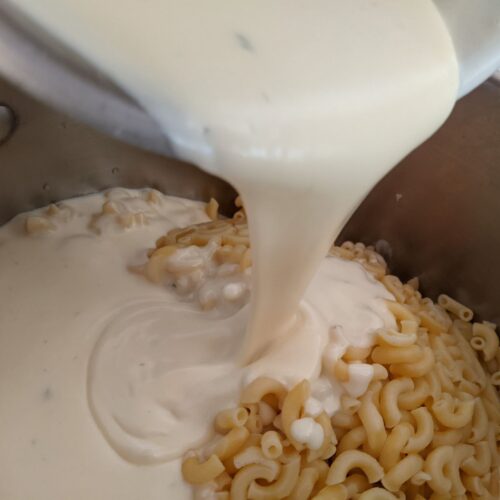
If you remember from last week, a bechamel sauce is milk thickened with a roux (equal parts flour and butter). A veloute is very similar, with one main difference. Rather than thickened milk, a veloute is a thickened white stock. Let's break that down a bit.
A stock is just water flavoured with meat, bones, and vegetables. There are two main types of stock: white and brown. A white stock is made by adding raw bones to a pot with carrot, onion, and celery and simmering it for a long period of time. This yields a clear, yellow, or light amber stock. No matter what colour the stock actually is when made with this technique, it is white stock.
A brown stock is made the same way as a white stock but with one additional step. Prior to being simmered, the bones and vegetables will often be roasted in the oven. This gives the stock a deep brown colour and a more intense flavour. It is also common to add tomato paste to brown stocks.
This may seem like unnecessary information. However, it is important to distinguish between white and brown stock, and here is why: a white stock thickened with a roux is a veloute. A brown stock thickened with a roux is an Espagnole sauce, which is its own mother sauce. We will get into that more next week.
How to Make a Veloute
Typically, when making a veloute, additional flavourings are added. These may include carrots, onions, celery, or herbs. Once the veloute is finished, these will be strained out, and you will be left with a silky, smooth sauce.
Step 1: Sweat the Mirepoix
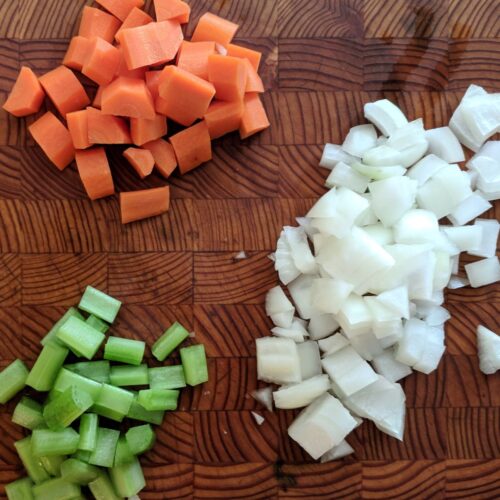
If you are adding additional mirepoix (mirepoix = carrots, onion, and celery) sweat it in a pot with a bit of butter. Sweating vegetables means cooking them in a bit of fat over moderate heat. The purpose is to draw moisture out of the vegetables. The intent is not to brown the vegetables.
Step 2: Make the Roux
The second step in making a veloute is to make the roux. Now, if you did sweat mirepoix you will already have fat in the pot. You may need to add more. A roux is equal parts flour and fat (typically butter). If you don't have enough fat in the pot, add some more and then sprinkle the flour over the contents.
Stir the flour and butter together until all of the flour has been incorporated, and cook for two minutes, stirring constantly.
Step 3: Add the Stock
Once the roux is ready, add the stock and stir to distribute it fully. You will need to turn the heat down to low and simmer the sauce for twenty minutes. If the heat is too high, the roux will stick to the bottom of the pot and burn. You will also have to stir the veloute every few minutes. If you would like to add herbs like thyme or bay leaf, now would be the time to do that so the flavour cooks into the sauce.
Step 4: Taste and Adjust
Once the sauce has simmered and has the desired consistency, it's time to taste it. You are checking for two things. You want to make sure the seasoning is good. If needed, add some salt and pepper. Some people prefer to add white pepper as not to get black flakes in their sauce. I don't actually care, but I'll leave that up to you.
The second thing you are tasting for is flour. If the veloute hasn't been cooked long enough, you may be able to taste raw flour. If this is the case, put the pot back on the heat and cook for a few more minutes.
Step 5: Strain
The fifth and final step in making a veloute is to strain it through a fine sieve or cheesecloth. As I said earlier, the word veloute means silky and smooth. A chunky veloute just won't do. So, strain it.
Uses
Now you have a delicious veloute, but what will you do with it? What was the point?
As I said in the intro to this post, you have likely eaten and even made veloute and not even known it. So, what did I mean? Well, veloute is a fancy word for a very basic thing: gravy. If you have ever eaten or made gravy at Thanksgiving or Christmas, you have had veloute. Stew is a veloute. There are lots of other sauces and soups that are veloutes as well. This brings us to the derivatives of veloute.
The filling in a good pot pie is a veloute by another name: roux, chicken broth, patience. This double crust chicken pot pie is a fine place to practice.
Derivatives
Allemande
With the addition of mushrooms, egg yolks, and lemon to a basic veloute you get allemande sauce. This is great over poultry. The egg yolks are whisked into the hot sauce to give it a richer, more decadent texture and flavour. The lemon acts to brighten the sauce, and the mushrooms add flavour and texture.
This is essentially the high-end version of putting cream of mushroom soup on chicken or pork chops.
Aurore
The addition of tomato puree makes veloute Aurore sauce. This would typically be served with white meat, poultry and even eggs.
Bercy
Bercy sauce is veloute with the addition of shallots, white wine, fish trim, butter and chopped parsley. This makes a great sauce for any kind of fish dish.
Supreme
Supreme sauce is made by adding mushrooms, cream and butter to a veloute. This is a classic sauce for chicken. The butter is whisked in at the last minute before serving to give the sauce a velvety texture.
Diplomate
This sauce is veloute with fish trim, lobster, butter, and truffle and typically served over a whole roasted or poached fish.
Conclusion
Veloute is one of those foundational techniques that quietly makes its way into so much of what we cook -- from holiday gravy to elegant French sauces. I love how something as straightforward as stock thickened with a roux can branch out into so many directions depending on what you add. If you're working through the mother sauces, pair this with what you've learned about bechamel and you'll have a solid foundation for building nearly any classic sauce.
Next on the mother sauce list is the fussy one. My hollandaise guide covers what goes wrong and how to save it.

ITS VERY RELIABLE
Iam doing culinary arts and I was given an assignment about sauces. Indeed I have got wat I wanted.
Thank you chef