
I am a meat eater. I love cooking meat, and eating it. It doesn't get much better than a perfectly cooked rib eye steak or pork chop. As much as I love both of those things, there is more to meat than the "glamour cuts". Beef isn't just tenderloin, rib eye, and New York strip. Just like pork isn't just chops, tenderloin, and ribs.
Jump to:
I will talk a little bit in this post about cooking those "glamour cuts". I think it's important that we all know how to cook those properly. But more importantly, I want to talk about the lesser known cuts. The pieces of meat that we walk by on a daily basis never giving a second thought to. The cheap cuts. The cuts that take real skill and knowledge to perfect.
If you give a toddler a piece of beef tenderloin they can probably make it delicious. Why? Because it's already delicious. With the more popular or "glamour cuts" it isn't so much about what you do to them that makes them great. It's what you don't do. It is a matter of taking something that is already amazing and just not screwing it up.
So, what else is there? Well, let's take a look.

Glamour Cuts
Okay, let's actually get these guys out of the way first.
Steak Cuts
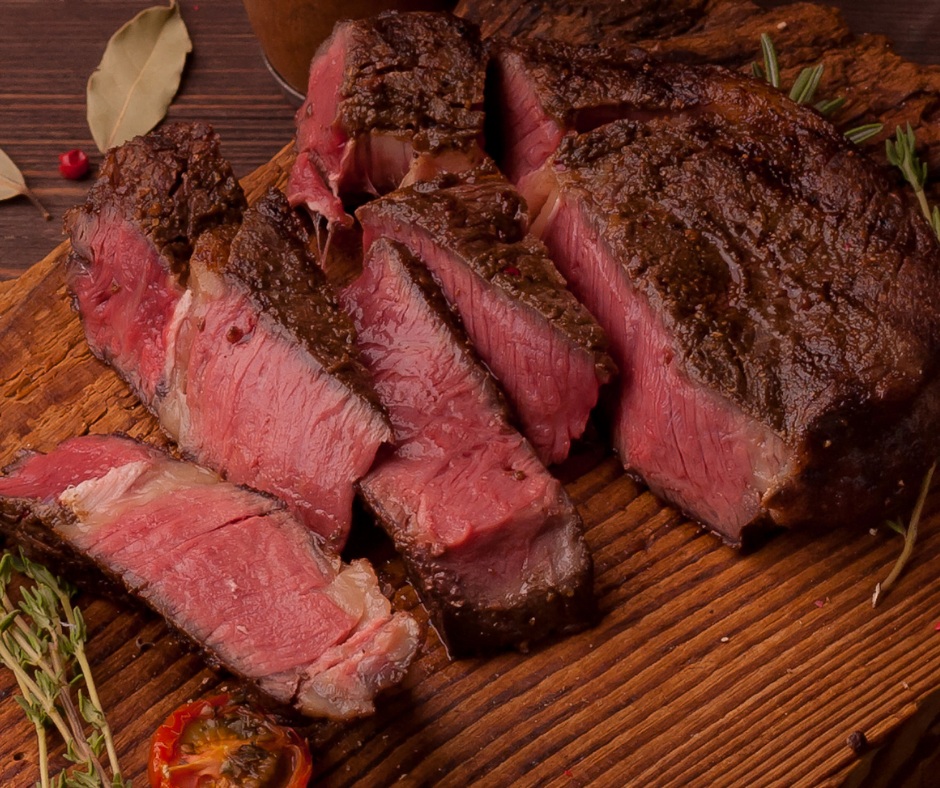
When it comes to steak there are three main cuts. You have Strip Loin, Tenderloin, and Rib Eye. Pretty much all other steaks are a variation or combination of these. For example a T-Bone steak is really just a strip loin and a tenderloin with the dividing bone still attached. Chateaubriand is cut from the thickest part of the tenderloin. Sirloin is essentially just a strip loin with the fat cap removed and cut from higher up on the loin.
This may seem stupid at first. Why have multiple names for the same thing? There are two main reasons. One is that it depends on where you live in the world. What we call beef tenderloin is known as fillet of beef in Europe. The other reason is that there are differences, subtle as they may be. If you have a whole strip loin or tenderloin, one end is considerably different than the other.
Would the average person really notice these differences? Probably not. But they are different.
There are other steaks like skirt steak, tri-tip and flat-iron. These are different parts of the animal entirely. They also take more skill to prepare than a tenderloin or a strip loin and thus are less popular. These fall into the other category which I will cover in a bit.
Cooking Steaks
I did a post a few months ago called Everything I Know About Steak. I really focused on the glamour cuts in that post. So, rather than taking the time to repeat myself I am going to link to that post here. There is way more information about steak specifically in that post than I can write here. This way we can move on to the more interesting stuff.
Cooking Ribs
I'm going to do the same thing with ribs. Rather than repeating myself, I am going to direct you to a post I wrote all about cooking ribs. You can check that out here.
Pork Cuts
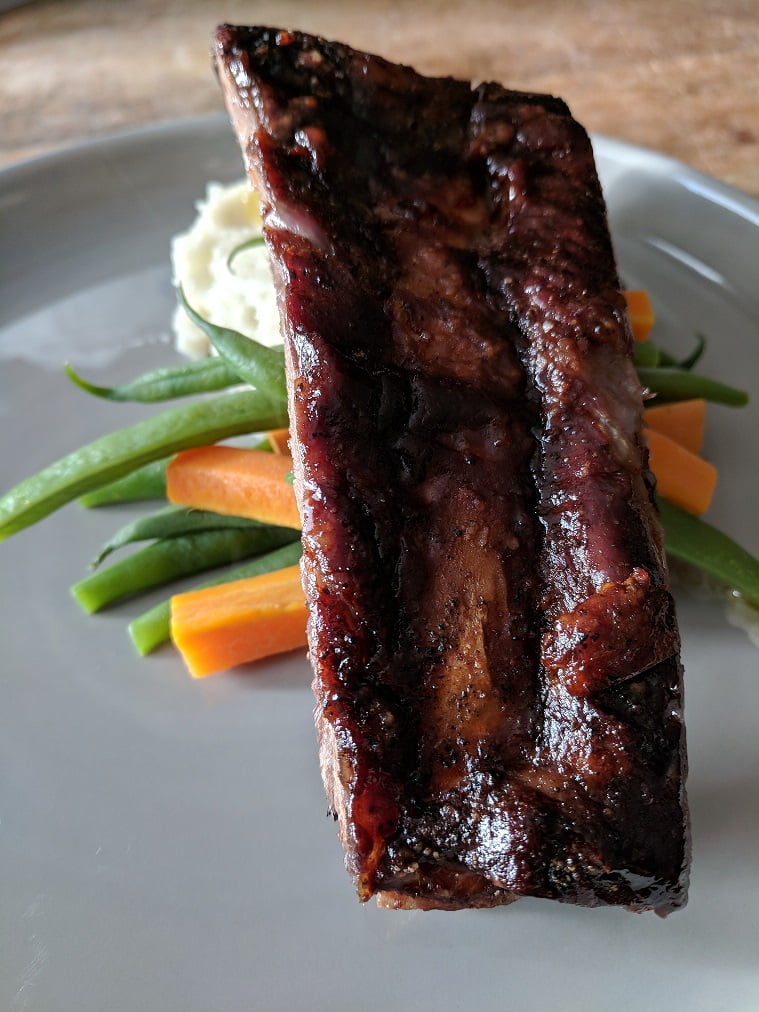
The glamour cuts of pork are really the tenderloin, and the chop. In all honesty, the tenderloin is my least favourite part of a pig. There is no fat on it. It has the least amount of flavour. And if it is even slightly overcooked it is dry as all hell. Despite all of this, people love it. I don't know why.
Pork chops and pork loin (not tenderloin) are the same thing. The difference being the bone. I prefer bone-in pork chops because the bone helps to keep them moist and provides flavour. Whole pork loin, bone in or out, is good for roasting whole. It can be stuffed or left as is. For more on getting the most out of pork chops, check out my post on pork chops.
Cooking Pork to Temperature
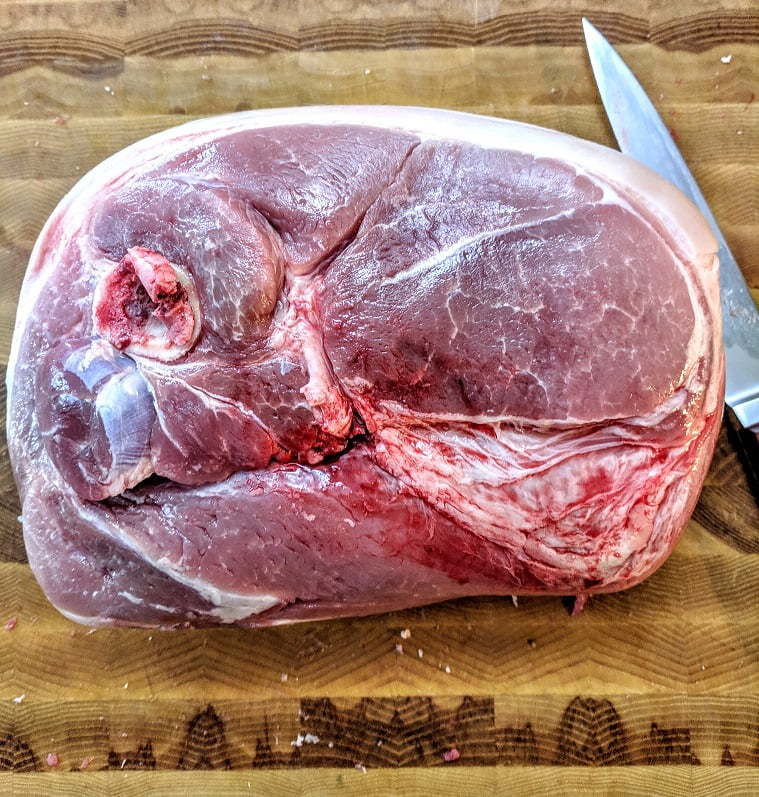
Pork is one of those tricky beasts that freaks a lot of people out. There is a fear of eating undercooked pork which leads a lot of people to overcook it. This is bad news. Overcooked pork is terrible. It is dry. It is tasteless. And, it is joyless. On the flip side, perfectly cooked pork is a thing of true beauty.
If you are that worried about eating undercooked pork, invest in an instant read thermometer. Cook all of your pork to 162 degrees F, let it rest to 165 degrees F and everything will be glorious. If you aren't that worried about it, which you shouldn't be, cook all of your pork to 155-158 degrees F and let it rest to 160-165 degrees F.
A little bit of pink in the middle of your pork chop or pork loin is fine. It is desirable.
Pork Cooking Techniques
When it comes to cooking pork there are multiple techniques you can use. For indoor cooking of pork chops and tenderloin, I suggest a two stage cooking process. Start with a hot pan and brown the pork on all sides. Then finish it in a 400 degrees F oven.
For outdoor cooking, a moderate heat is preferred. With pork chops you may not want to cook directly over the flame of the BBQ. There may be a lot of flare ups.

Pork Cooking Times
The amount of time it takes to cook a pork chop or a whole loin or a tenderloin is really dependant on the size of it and how you are cooking it. If you took the time to sear pork chops in a pan before they go in the oven they will take less time than if you put them straight in the oven.
I don't really have a hard and fast rule for cooking times with stuff like this as there are way too many variables. Again, I would say get a thermometer and cook to temperature, not time.
Skill Cuts
Skill cuts are those cuts of meat that take more effort and skill to prepare, but that generally have a greater pay off. Yes, a perfectly cooked rib eye steak is amazing, but so is a melt-in-your-mouth beef short rib. Typically, the rib eye is going to cost you a lot more.
These types of cuts include beef short rib, shank (ossobuco), round, brisket, tongue, and cheek to name a few. For pork we have shoulder (picnic ham), shank, belly, spare ribs, and jowl, etc.
The thing that all of these pieces of meat generally have in common is that they are composed of muscle groups that get used a lot. The more a muscle gets used the tougher it is. But, more importantly, the more flavourful it is.
With these cuts, someone who knows what they are doing can make a dish that will blow a perfectly cooked beef tenderloin out of the water.
Cooking Skill Cuts
Pretty much all of these cuts of meat are best suited to long, slow cooking. That could be slow roasting, smoking, or braising. The key is that the tougher muscle fibres and connective tissues need time to break down. Let's use beef cheek as an example.
First of all, I am using beef cheek because I know just about everyone cringed when they read that and that is wrong. Beef cheek is amazing. It is important to remember that it is just another piece of meat. Other than toughness and flavour there is no difference between beef cheek and beef tenderloin. And yeah, beef cheek tastes way better than beef tenderloin.
So, imagine how often the cheek of a cow moves. Every time they chew or moo. I don't know if you have ever seen a cow, but they are pretty much always doing one of those two things. The cheeks get used more than almost any other muscle on the cow's body.
If you took that cheek, put it on a barbecue for five minutes per side and tried to eat it, you wouldn't be able to. You honestly wouldn't be able to chew. It would be worse than leather. On the other hand, if you took that cheek, put it in a flavourful liquid and put it in the oven on low heat for four hours, it would melt in your mouth. You wouldn't need to chew it at all.
When you are cooking meat on low heat, for a long period of time you don't need to worry about what temperature the meat reaches. The goal is texture and consistency. You are softening the meat. Breaking down the muscle fibres and connective tissues. If you want to learn more about this technique, I wrote a much more in-depth article about braising.
Slow Roasting
Slow roasting is the same idea, minus the flavourful liquid. In this case the meat would be rubbed with flavourings, and put in the oven to roast on low heat for a long period of time. By low heat I mean around 300 degrees F. My perfect stew recipe uses many of these same slow-cooking principles if you want to see them in action.
Marinating and Brining
Often with these tougher cuts they will be marinated or brined prior to being cooked. This imparts flavour and helps to keep the meat moist. The difference is that a marinade is mostly to impart flavour. A brine is mostly to retain moisture.
Conclusion
There is so much more I could talk about, but this should give you a solid starting point. The real takeaway is this: don't be afraid of the less popular cuts. They are cheaper, more flavourful, and with a bit of patience and low heat, they produce some of the most satisfying meals you will ever eat. Next time you are at the butcher, skip the tenderloin and grab a short rib or a beef cheek instead. I promise you won't regret it.

Leave a Reply