
This week, in my new Monday morning segment "Getting to Know" we will be getting to know butternut squash. The idea with this segment is to pick one ingredient a week and look at every aspect of it. The goal is for all of us to gain a deeper understanding of our ingredients.
Jump to:
What is Butternut Squash?
It may come as no surprise to you to learn that butternut squash is a member of the squash family. I mean, it's right there in the name.
Technically a fruit, like other squashes, butternut squash is a winter squash with a sweet and buttery texture and a hard outer skin. The skin is yellowish and the flesh is a deep orange. The more ripe the squash the more orange and sweet the flesh will become.
Butternut squash has a thin cylindrical neck and a large bulbous body which contains the fruit's seeds. The entire fruit including skin and seeds is edible save for the stem.
Butternut Squash Uses
Because of its sweetness and texture butternut squash makes velvety pureed soups and sauces. It can also be roasted, grilled, braised, stewed, deep-fried, steamed, or boiled.
When roasted, grilled, or steamed butternut squash holds its shape well and can be served as a side dish, or even tossed in salads or pastas. Boiled, it can be mashed like potatoes or pureed into a soup.
The point is that butternut squash is very versatile and delicious.
How to Buy Butternut Squash
When buying butternut squash it should feel heavy and sound hollow when tapped on the bulb. Avoid buying a squash with soft spots or bruising. Check the stem for mould. If any is present try a different squash.
A few other things to look for:
- Colour: Look for a uniform beige or tan skin. Green patches indicate the squash was picked too early and won't be as sweet.
- Skin texture: The skin should be matte and firm, not shiny. A shiny skin often means it's not fully mature.
- Stem: A dry, intact stem is a good sign. If the stem is missing, bacteria can get in more easily and the squash won't last as long.
How to Store Butternut Squash
One of the great things about winter squash is its shelf life. A whole, uncut butternut squash can be stored in a cool, dry place for up to three months. A basement, pantry, or even a cool closet works well. Avoid the fridge for whole squash -- the humidity can encourage mould growth.
Once cut, wrap the exposed flesh tightly in plastic wrap or place it in an airtight container. Cut squash will keep in the fridge for about five days. You can also peel, dice, and freeze raw butternut squash for up to six months, which makes meal prep much easier.
How to Prepare Butternut Squash
There are three main ways to prepare butternut squash for cooking.
The first and most common way is to cut the neck off of the squash (across the dotted line in the picture). Once the neck has been removed the bulb is cut in half and seeds are scooped out. Then with a knife or vegetable peeler the squash is peeled, cubed and cooked.


Another common way to prepare butternut squash is to cut it in half lengthwise, scoop out the seeds, drizzle with oil, and roast in the oven. The squash is cooked when soft.
The final technique is used much less often. Essentially, you put the whole squash in the coals of a fire, rotating it every 15 minutes or so until it is cooked through.
Flavours That Go With Butternut Squash
When roasted, the flavour of the squash becomes more intense and sweeter. For this preparation a pairing of stronger flavours won't overpower the squash. Cardamom, nutmeg, cinnamon, and curry will balance well with the sweetness and intensity.
Boiled and steamed squash has more subtle flavours which can easily be buried if you're not careful. Lemon and parmesan add a nice complement to the squash. As does thyme, rosemary, sage, maple, and honey.
For a heartier dish, butternut squash pairs beautifully with ingredients like brown butter, sage, and pancetta. Toss roasted cubes with pasta and a drizzle of brown butter sage sauce and you have a dish that tastes far more sophisticated than the effort required. It's also wonderful in a stew alongside root vegetables and a rich stock.
Recipe
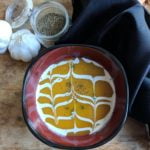
Roasted Butternut Squash Soup
Ingredients
- 1 ea Butternut Squash peeled, seeded, and diced
- 2 ea Baseball sized onions diced
- 2 ea cloves garlic roughly chopped
- 4 sprigs Thyme
- ½ cup Maple Syrup
- 1 L Stock or Water Enough to cover the squash by 1 inch
- 3 tablespoon olive oil
- to taste salt and pepper
Instructions
- Toss the diced squash with 2 tablespoon of olive oil, salt and pepper and the whole thyme sprigs.
- Spread the squash on a parchment-covered baking sheet and roast in a 400°F oven for about 40 minutes or until the squash is soft.
- Heat a large pot over medium heat and add the olive oil and diced onions.
- Cook the onions, stirring regularly, until they start to caramelize. (about 15 minutes)
- Add the garlic to the onions and cook for 2 more minutes.
- Add the maple syrup, the cooked squash, and enough stock or water to cover the squash by 1 inch.
- Simmer the soup for 10-15 minutes.
- Purée the soup with an immersion blender.
- Season to taste with salt and pepper
- For a smoother soup, pass the purée through a fine mesh sieve.
Conclusion
Butternut squash is one of those ingredients I always have on hand during the cooler months -- its versatility and long shelf life make it an absolute kitchen staple. Whether I'm roasting it for a quick side dish or simmering it into a velvety soup, it never fails to deliver. If you haven't cooked with it much before, start with the roasted soup recipe above and go from there.


Leave a Reply