My wife's grandmother lived just across the river from Cincinnati, and her Christmas tin always showed up wrapped in brown paper and far too much tape.
Inside were layers of fudge, buckeyes and little squares of something white and soft under a cap of dark chocolate.
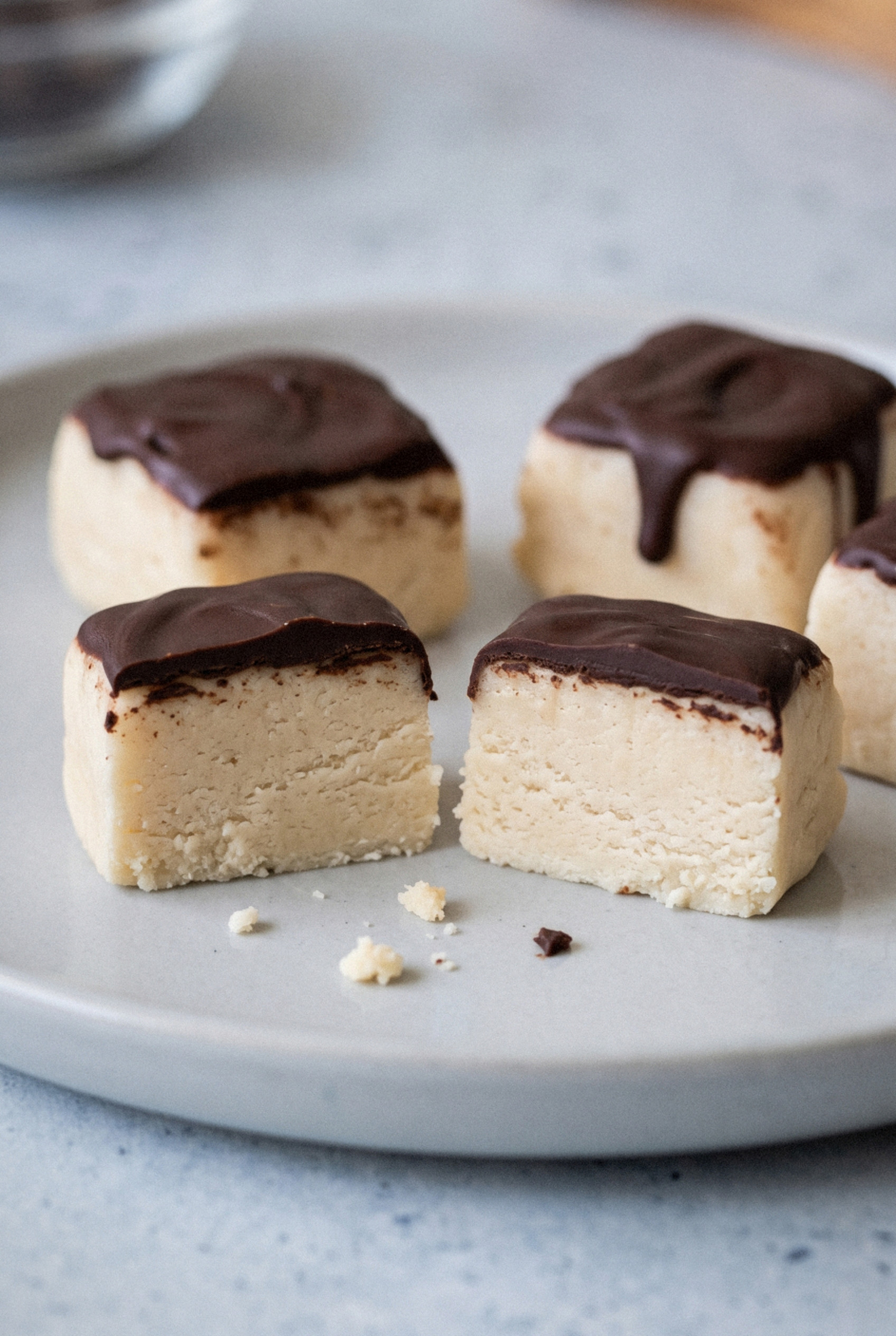
Those squares went first. Every single year.
They were opera creams, a cooked cream candy that's been a holiday staple in the Ohio River valley for well over a century.
When the tins stopped coming, I decided to make them myself.
My first try turned into a grainy brick because I stirred the pan while it cooled. My second never set at all.
So I went back to the old recipes, compared them line by line, and figured out where it goes wrong.
The fix is mostly patience: cook to 238°F, pour it over the butter and vanilla, and leave it completely alone until it's warm, not hot.
Then you knead. It feels like caramel at first, then glue, then suddenly a smooth, velvety cream.
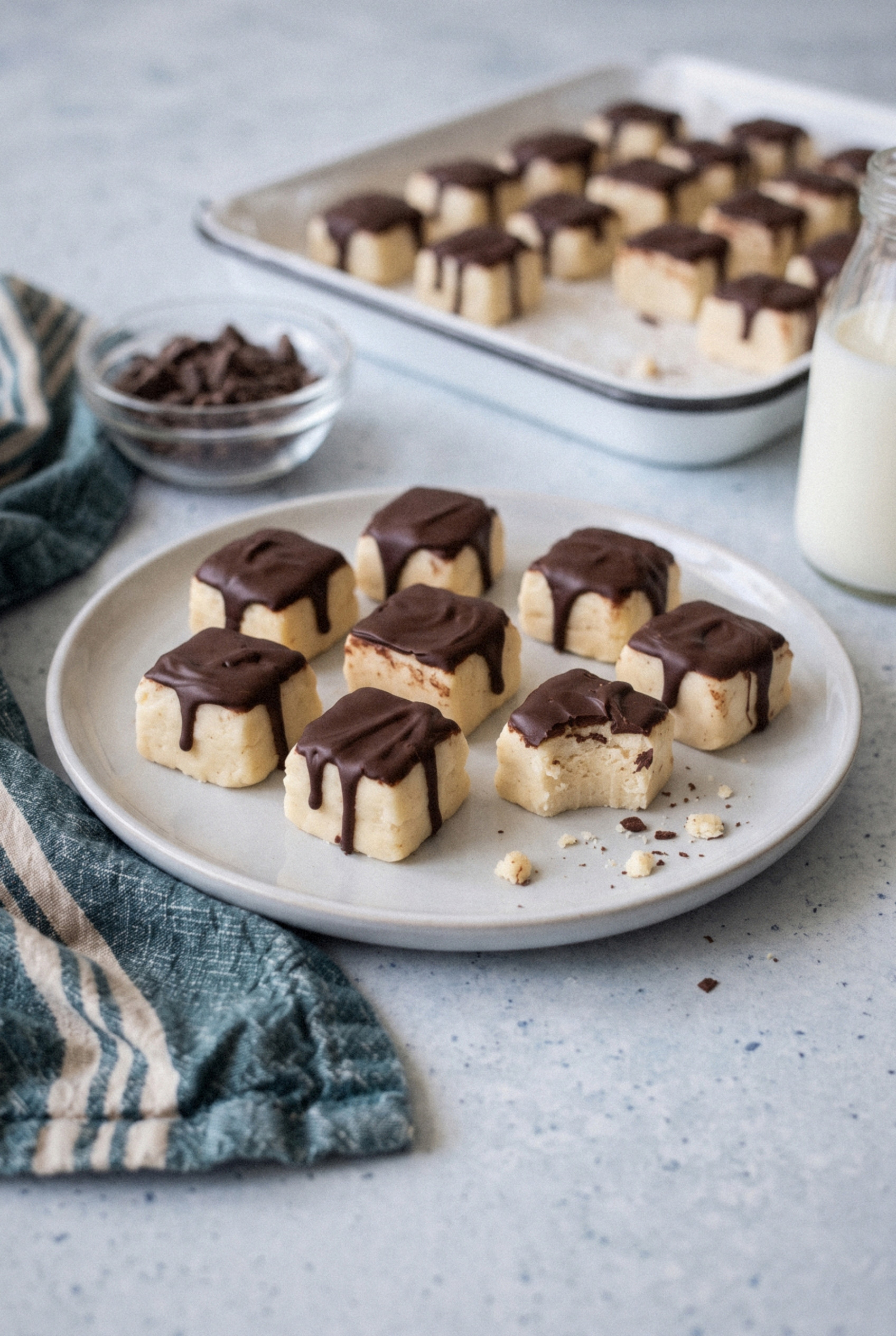
I skip the rolling and full dipping, too. I press the cream flat, cut neat little squares and dip just the tops, so a batch for the Christmas cookie tray or a gift tin goes a lot faster.
Make them once and you'll understand why nobody in that family ever shared the tin.
What Are Opera Creams?
Opera creams are a cooked cream fondant with a chocolate coat. You boil sugar and heavy cream to the soft-ball stage, let it cool undisturbed, then work it by hand until the glossy syrup turns opaque and creamy.
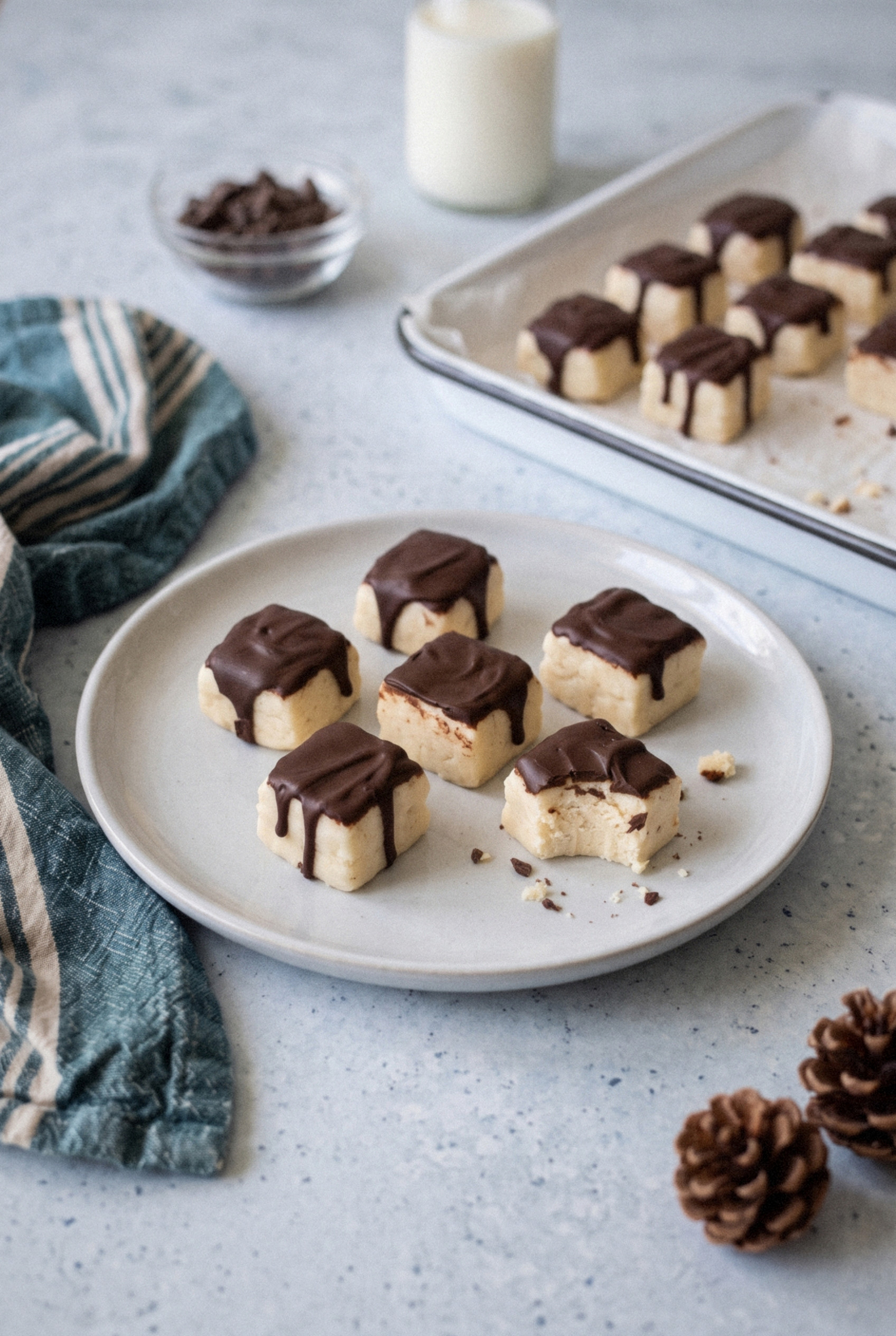
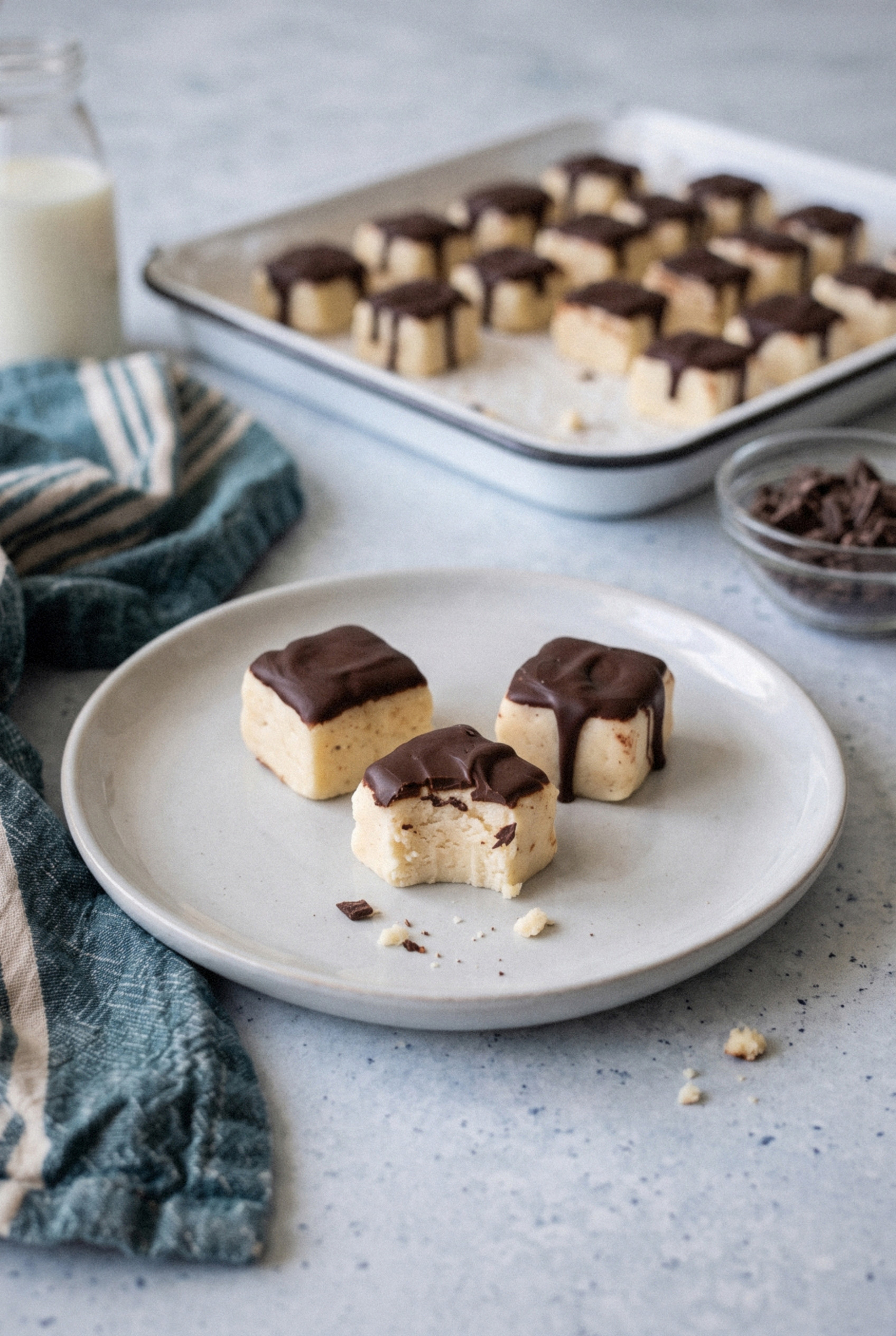
That filling is the whole point. It's soft, smooth and just barely firm, somewhere between a buttercream candy and the inside of a really good chocolate cream.
It's not fudge, even though the ingredients look close.
- Fudge. Usually has chocolate in the base and gets beaten in the pot until it sets. The texture is denser and a little grainy in the good way.
- Opera cream. Pure cream, sugar and vanilla, kneaded on the counter. The result is pale, silky and melts on your tongue like cold butter.
- Buttercreams. Often made with powdered sugar and butter, no cooking. Sweeter and softer, with none of that cooked-cream flavor.
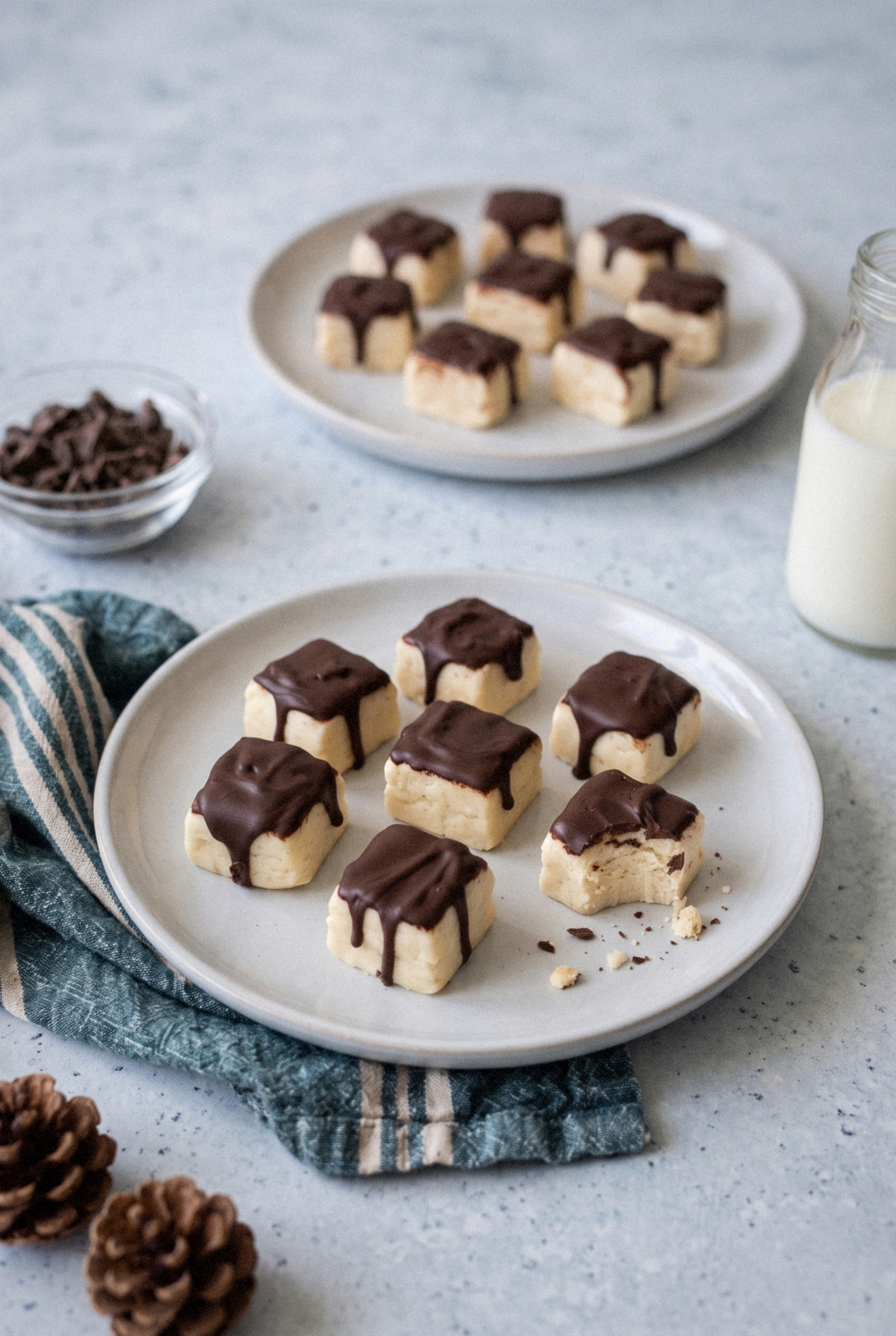
The dark chocolate on top keeps the sweetness in check. It's a melt-in-your-mouth candy with a little snap on top, and it tastes like Christmas in a tin.
Why Are They Called Opera Creams?
Nobody knows for sure, but the best story is a good one. In the late 1800s, fine cream-filled chocolates called opera drops were sold at intermission, and "opera" was shorthand for something classy and rich.
Home cooks picked up the name. One of the earliest home recipes shows up in Lee's Priceless Recipes from 1895, and newspaper versions followed in the 1910s.
Is it a Cincinnati thing? Pretty much.
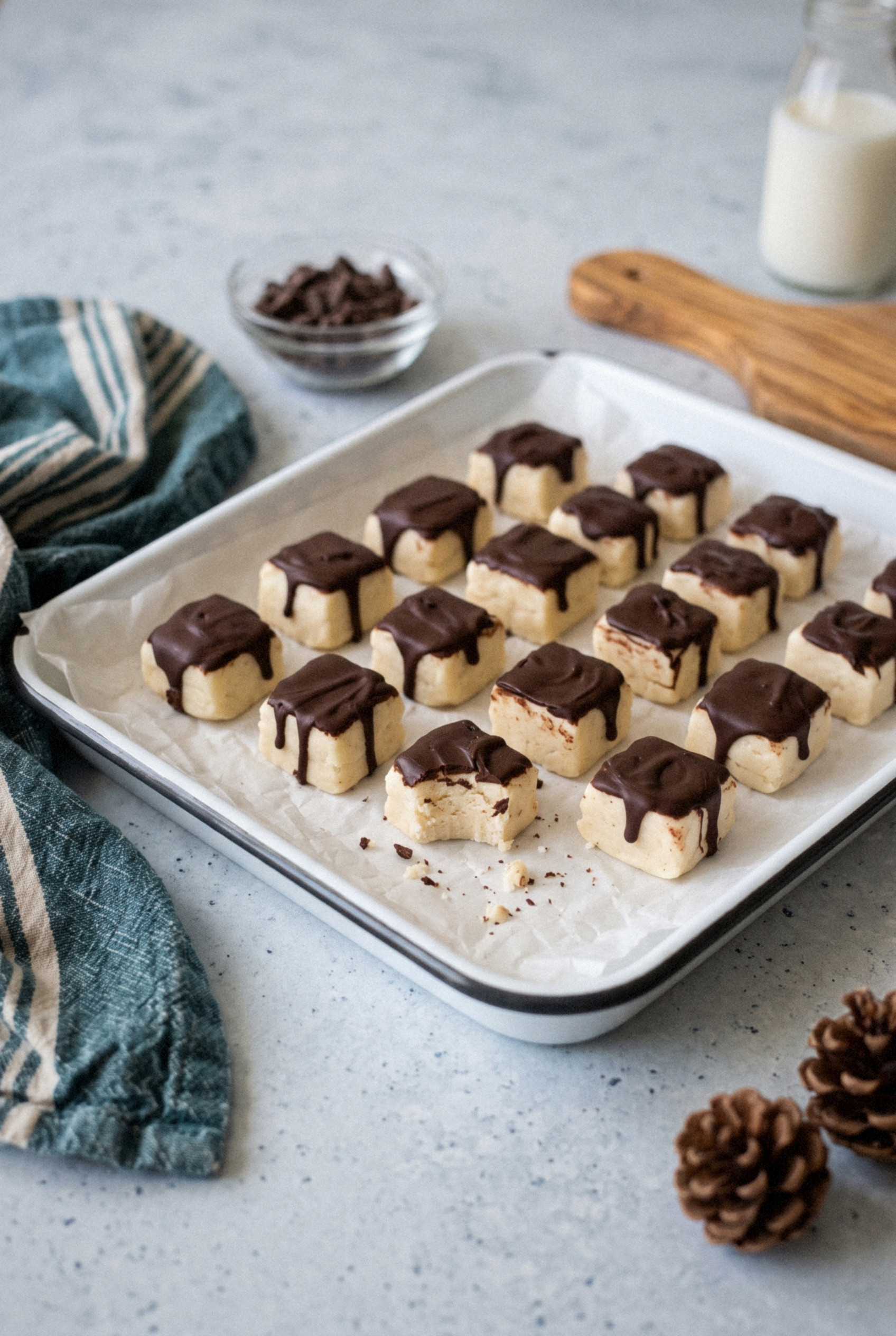
Candy shops around Cincinnati and Northern Kentucky still sell them at Christmas and Easter, sometimes as big chocolate-covered eggs. Most of the country has never heard of them, which is a shame.
Ingredients You'll Need
The list is short, so every ingredient matters. Here's what goes in and why.
- Heavy cream (1 cup). Full fat is non-negotiable. Half-and-half or milk won't give you that rich, silky filling and is more likely to scorch.
- Granulated sugar (2 cups). Plain white sugar keeps the cream pale and clean-tasting.
- Light corn syrup (1 tablespoon). Just a spoonful. It interferes with big sugar crystals, which is your best insurance against a grainy batch.
- Unsalted butter (2 teaspoons, plus more for the dish). It sits in the dish and melts into the hot syrup without any stirring.
- Pure vanilla extract (1 teaspoon). The main flavor here, so use the real stuff.
- Fine salt (⅛ teaspoon). A pinch sharpens the cream and keeps it from tasting flat.
- Bittersweet or dark chocolate (6 ounces). Use a 60-70% bar and chop it. Chips have stabilizers that help them hold their shape, so they melt thicker.
- Coconut oil or shortening (1 teaspoon). Thins the chocolate a little for a smooth, glossy dip with no paraffin.
- Chopped pistachios or pecans (optional). A sprinkle on the wet chocolate looks festive and adds crunch.
Tools that help: a heavy 3-quart saucepan, a candy thermometer, a pastry brush, and a shallow glass or ceramic baking dish. Skip plastic, since the syrup is hot enough to warp it.
How to Make Opera Creams
This is a slow candy, not a hard one. Most of the time is hands-off cooling, and the kneading is honestly kind of fun.
Step 1: Cook the Syrup to 238°F
Butter a shallow 8x8-inch glass or ceramic dish. Drop the 2 teaspoons of butter in pieces into the bottom, add the vanilla and salt, and set it aside.
Combine the sugar, cream and corn syrup in the saucepan over low heat. Stir gently until the sugar dissolves, about 5 minutes, then brush down the sides of the pan with a wet pastry brush to wash away any stray crystals.
Cover the pan for 2 minutes so the warmth washes the sides again. Uncover, clip on the thermometer, raise the heat to medium and boil, stirring only slowly along the bottom so the cream doesn't brown, until it reads 238°F. That usually takes 8-12 minutes.
No thermometer? Drop a little syrup into ice water. It should form a soft ball that flattens when you lift it out.
Step 2: Pour and Cool Without Stirring
Pour the syrup straight into the prepared dish over the butter and vanilla. Do NOT scrape the pan, since the syrup clinging to the sides is the most likely to crystallize.
Now leave it completely alone. No stirring, no poking, no swirling the dish. Let it cool until the dish feels warm but comfortable to hold, about 40-60 minutes, or 110°F if you want to check.
Hard to resist? A little. Worth it? Every time.
Step 3: Knead Until It Turns to Cream
Scrape the cooled syrup onto a clean counter or marble board. At first it looks like sticky caramel, and it will cling to everything.
Keep folding, pressing and pulling it with a bench scraper and your hands. It goes slick and buttery, then very sticky, then crumbly like playdough. Push through that stage, because it suddenly comes together into a smooth, pale, velvety ball.
Plan on 15-30 minutes by hand. If you'd rather save your arms, a stand mixer with the paddle on low does the job in about the same time.
Pro tip: Flavor extracts go in now, at the very end. Knead them in once the cream has turned.
Step 4: Press, Chill and Cut
Set the cream on a sheet of parchment and pat it into a 6-inch square about ½ inch thick. Wrap it and refrigerate for 1 hour, or up to 3 days.
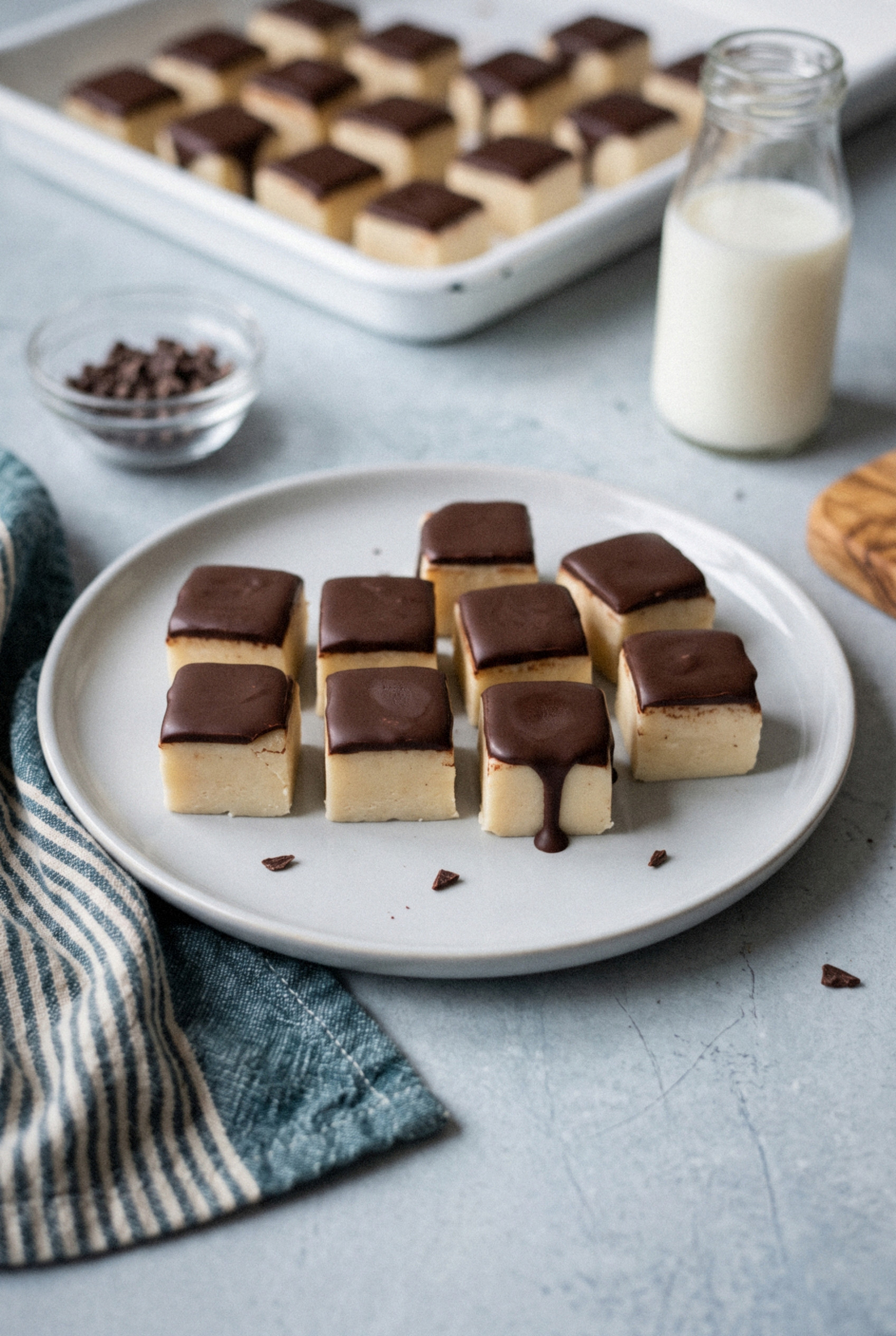
Cut the firm slab into 36 one-inch squares with a sharp knife, wiping the blade as you go. Let the squares sit out for 15 minutes so they're just cooler than room temperature.
Step 5: Dip the Tops in Chocolate
Melt the chocolate and coconut oil together in 20-second bursts in the microwave, stirring each time, until smooth and just warm. Don't let it get hot.
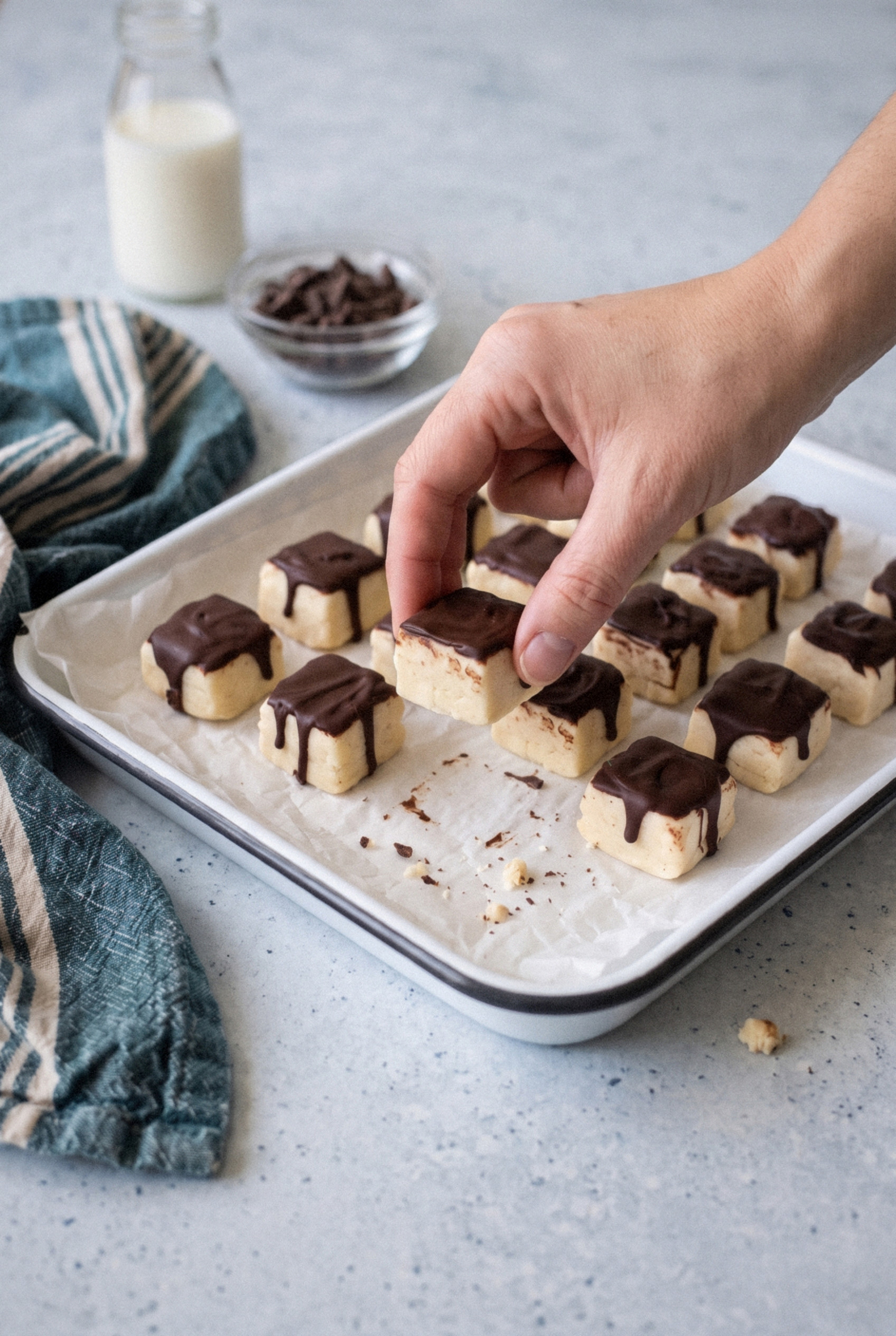
Hold each square by its sides and dip just the top into the chocolate, then lift, let the extra drip off and set it chocolate-side up on parchment. Sprinkle on nuts while the chocolate is wet, if you're using them, and let them set for 1 hour at room temperature or 20 minutes in the fridge.
That first bite, cool chocolate and then soft vanilla cream? Phenomenal!
Tips for Smooth, Creamy Opera Creams
A few small habits make the difference between silky and sandy.
- Test your thermometer. Boiling water should read 212°F at sea level. If it's off by 2 degrees, adjust your target by 2 degrees.
- Pick a dry day. Old cooks said to wait for sunshine, and they were right. Humidity makes the cream sticky and slow to firm up.
- Use a heavy pan. Thin pans develop hot spots, and cream scorches fast.
- Don't scrape the pot. Leave the last bit behind. It's the stuff most likely to seed crystals.
- Butter your hands. A thin film makes the sticky stage of kneading a lot less messy!
- Dip cool, not cold. Squares straight from the fridge can make the chocolate crack or bloom as they warm up.
Troubleshooting
Candy is chemistry, so most problems have a clear cause. Here's what usually went wrong.
- The cream is grainy. It started crystallizing early, either from stirring while it cooled, a scraped pan or sugar crystals on the sides. It still tastes great, so call it fudge and dip it anyway.
- It never firms up. The syrup didn't get hot enough. Scrape it back into the pan with 2 tablespoons of water, dissolve it over low heat and cook to 238°F again.
- It's dry and crumbly. It went a few degrees too far. Knead in 1-2 teaspoons of very hot water, a little at a time, until it smooths out.
- It's still sticky after 30 minutes. Keep going, or chill it for 10 minutes and try again. Humid days take longer.
- The chocolate is streaky or dull. It got too hot. Melt slowly and keep it just warm to the touch.
Variations
The vanilla cream is a blank canvas. These are the versions I make most.
- Pistachio and sea salt. Knead ½ cup finely chopped pistachios into the cream and finish the chocolate with flaky salt. So good!
- Pecan sandwiches. Roll the trimmings into little balls, press each between two toasted pecan halves and dip the whole thing.
- Coconut cream. Knead in ⅓ cup sweetened shredded coconut at the end.
- Peppermint. Swap half the vanilla for ¼ teaspoon peppermint extract. Perfect for Christmas.
- Maple or coffee. Use ½ teaspoon maple extract, or dissolve 1 teaspoon instant espresso into the cream before cooking.
- Fully coated. Roll the cream into 1-inch balls and dip them all the way with a fork for the classic candy-shop look.
What about condensed milk versions? They're quicker and need no thermometer, but they make a sweeter, fudgier candy. Tasty, just not the same thing.
Make-Ahead and Timing
These are a great make-ahead candy for the holidays. You can split the work over a few days.
- Day 1. Cook, cool and knead the cream. Wrap it tightly and refrigerate for up to 3 days. An overnight rest actually makes the texture even smoother.
- Day 2 or 3. Cut and dip. Give the chocolate at least 1 hour to set before you pack them.
- Freezer option. The undipped cream freezes for up to 2 months. Thaw it overnight in the fridge before cutting.
What to Serve With Opera Creams
They belong on a Christmas cookie tray. The white and dark look sharp next to colorful cookies.
- Cookie trays. Pair them with sugar cookies, gingerbread and something peppermint.
- Coffee or espresso. A small square with a strong cup after dinner hits the spot.
- Candy boxes. Mix them with fudge, toffee and peanut clusters for a homemade sampler.
How to Store Opera Creams
Cool storage keeps the cream soft and the chocolate shiny. Here's the full timeline.
- Refrigerator. Store in an airtight tin with parchment between layers for up to 2 weeks. Let them sit out 10 minutes before serving.
- Room temperature. A cool room is fine for up to 1 week. Keep them away from the stove and sunny windows.
- Freezer. Freeze dipped squares in a single layer, then pack them in a container for up to 2 months. Thaw in the fridge so the chocolate doesn't sweat.
- Gift tins. Line the tin with parchment, set the squares in a single layer or in small paper candy cups, and tell your friends to keep them cool. They'll be gone fast!
Recipe
Opera Creams
Ingredients
For the Opera Cream
- 2 teaspoons unsalted butter cut in small pieces, plus more for the dish
- 1 teaspoon pure vanilla extract
- ⅛ teaspoon fine salt
- 2 cups granulated sugar 400 g
- 1 cup heavy cream 240 ml
- 1 tablespoon light corn syrup
For the Chocolate Tops
- 6 ounces bittersweet or dark chocolate 60-70%, finely chopped
- 1 teaspoon coconut oil or vegetable shortening
- ¼ cup pistachios or toasted pecans finely chopped, optional
Instructions
Cook the Syrup
- Butter a shallow 8x8-inch glass or ceramic dish. Scatter the 2 teaspoons of butter pieces in the bottom and add the vanilla and salt. Set aside.
- In a heavy 3-quart saucepan, combine the sugar, heavy cream and corn syrup. Stir over low heat until the sugar dissolves, about 5 minutes. Brush down the sides of the pan with a wet pastry brush.
- Cover the pan for 2 minutes. Uncover, clip on a candy thermometer and boil over medium heat, stirring slowly along the bottom only, until the syrup reaches 238°F, 8 to 12 minutes.
Cool and Knead
- Pour the syrup into the prepared dish without scraping the pan. Do not stir. Let cool undisturbed until warm but comfortable to touch, about 110°F, 40 to 60 minutes.
- Scrape the mixture onto a clean counter or marble board. Knead, fold and press with a bench scraper and buttered hands until it turns opaque, smooth and no longer sticky, 15 to 30 minutes. A stand mixer with the paddle on low also works.
Shape and Cut
- Pat the cream into a 6-inch square about ½ inch thick on parchment. Wrap and refrigerate for 1 hour, or up to 3 days.
- Cut into 36 one-inch squares with a sharp knife, wiping the blade often. Let the squares stand at room temperature for 15 minutes.
Dip the Tops
- Melt the chocolate and coconut oil in the microwave in 20-second bursts, stirring each time, until smooth and just warm.
- Dip the top of each square into the chocolate, let the excess drip off and set chocolate-side up on parchment. Sprinkle with nuts while wet, if using.
- Let set for 1 hour at room temperature or 20 minutes in the refrigerator before serving or packing.
Notes
- Do not stir: Stirring or scraping the pan while the syrup cools causes a grainy cream.
- Grainy or dry cream: If crumbly, knead in 1 to 2 teaspoons of very hot water. If it never firms, re-dissolve with 2 tablespoons of water and cook to 238°F again.
- Make ahead: The kneaded cream keeps, wrapped, in the refrigerator for 3 days or the freezer for 2 months.
- Storage: Keep dipped opera creams in an airtight tin with parchment between layers in the refrigerator for up to 2 weeks or in a cool room for 1 week.