
How to Build a Simple Vinaigrette
A vinaigrette is an emulsion of oil and vinegar. This is generally accomplished with the use of mustard as the binder. It is actually a protein or string of proteins in the mustard called lecithin, not the mustard itself, that binds the two liquids. This same string of proteins is found in egg yolks and soybeans. So you have oil, vinegar, and lecithin in a bowl but the emulsion breaks. What happened? If you have ever made a salad dressing or otherwise mixed oil and vinegar it is likely that the two liquids have separated. If you looked at it through a glass jar you would be able to see the oil floating on top of the vinegar or water. This is a separation of the two liquids. In terms of an emulsification, we refer to this as breaking or splitting. When an emulsion is properly formed it will hold together for a very long time. There are two main things to think about when building an oil and vinegar emulsification.1. The Ratio of Oil to Vinegar
Generally, for a basic vinaigrette, a ratio of 3 parts oil to 1 part vinegar will create a nice texture and a slight tartness. For a thicker vinaigrette, a ratio of 4 parts oil to 1 part vinegar can be made. The extra oil causes a thicker dressing, which may seem counterintuitive. But because more oil droplets are suspended and dispersed throughout the vinegar, the dressing gets a thicker, creamier texture. Imagine a room ¾ full of coloured plastic balls. This room illustrates a standard 3:1 ratio. It's a lot of balls. It is difficult to move around but not impossible. Now imagine the same room but so full of plastic balls that you couldn't fit one more in. It would be much more difficult, if not impossible, to move around. This second example illustrates a 4:1 ratio. The more oil you add, the thicker the dressing will get. For a deeper dive into vinaigrettes and their many variations, check out my guide to everything I know about vinaigrette.2. The Process of Making the Emulsion
A strong emulsion is one that is made slowly. Imagine the room from the above example. If you tried to fill the room with all the plastic balls at once it wouldn't work. You would never be able to get them all through the door. You have to fill the room with a few plastic balls at a time. The same principle is true of building an emulsification. The first step in the process is to mix the vinegar with the binder. Imagining that we want about 1 cup of vinaigrette, we would mix ¼ cup of vinegar with 1 teaspoon of mustard powder. The next step is to take our ¾ cup oil and mix it into the vinegar and mustard. But, as we know from the plastic ball in the room example, we can't just pour all of the oil in and build a stable emulsification. We have to start slowly. While whisking, we pour a few drops of oil into the vinegar and mustard mixture. We whisk until the oil has been fully incorporated into the vinegar. We know this has happened because there are no visible sheen or oil droplets. Once this first amount of oil is emulsified we add a bit more oil. We continue this process until all of the oil has been incorporated.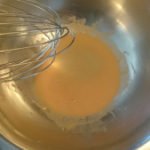
Troubleshooting a Broken Emulsion
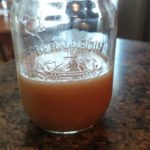
Even experienced cooks break emulsions from time to time. If your vinaigrette splits, don't throw it out. Here are a few ways to fix it:- Start fresh with the binder -- Put a small amount of mustard or egg yolk in a clean bowl and slowly whisk the broken emulsion into it, just as if the broken mixture were your oil.
- Add a splash of warm water -- Sometimes a small amount of warm water whisked in vigorously can help re-emulsify a dressing that has just started to break.
- Use a blender -- If whisking by hand isn't working, pour the broken emulsion into a blender and blitz it. The high speed forces the droplets back together.


Karen Hodgson-Dube says
Yes!!!!! I was anxious to see how you would change after your article on Monday.
Today I learned something new that I will use weekly!
I have been making my own dressing for years. Sometimes it emulsified, sometimes not. Last night it did not. I had read your June 26th post on how to make a vinaigrette and didn’t think I learned anything new from it. I just went back and read it again to see what I had missed and how today was different. You did say “generally you need a binder”.
Last night I decided I didn’t want the mustard flavour in my dressing so I omitted it. The dressing did not emulsify. Now I know WHY!
Teaching the “why” with the “how” increases my understanding and learning.
Keep up the great work! Thank you for the lesson.
Karen
Chef Ben Kelly says
Thank you Karen! Hearing things like that makes me glad that I am doing this. Thank you for reading
Nope says
What is the strange and frankly amusing reference to hot dogs trying to say?
Also, in what way could it be counter-intuitive to think that “The extra oil causes a thicker dressing”?
Chef Ben Kelly says
Hot dogs are an emulsified sausage like Bologna, or mortadella. So, it made sense to mention them in an article about emulsification.
It's counterintuitive that more oil equals a thicker dressing because it's not often that adding more liquid to something makes it less liquid.
I hope that answers your questions.
Nope says
Thanks for your very polite response to what was a bit of a rude comment really. I had no idea that the content of hotdogs required emulsification! Makes sense though and also clarifies how tiny the mystery meat particles in them are.
Re. the oil, my comment was based on the oil being thicker than the vinegar, so was thinking that adding it would obviously make it thicker, but I think that what are referring to is in fact related directly to the emulsification process, i.e., more complex than that.
Your comments on mustard are really helpful. My previous attempts at mayonnaise have been disastrous – but there was no mustard included. I have been adding mustard to some tomato-based sauces and it results in a lovely velvety texture emerging which I now realise must be due to the lecithin. I note also that lecithin can be bought as an independent ingredient in itself, so might also try experimenting with that for certain vegan recipes for some members of my family.
Great site!
Chef Ben Kelly says
Part of my purpose with this site is to simplify complex culinary principles making them accessible to anyone. All your comment said to me is that I didn't do a good enough job. It's my pleasure to explain things more clearly. Thank you and please let me know if you have any other questions.