A Trini friend of mine set me straight in about four seconds.
I told him I'd made pone.
He asked which one.
I had no idea there was a which one.
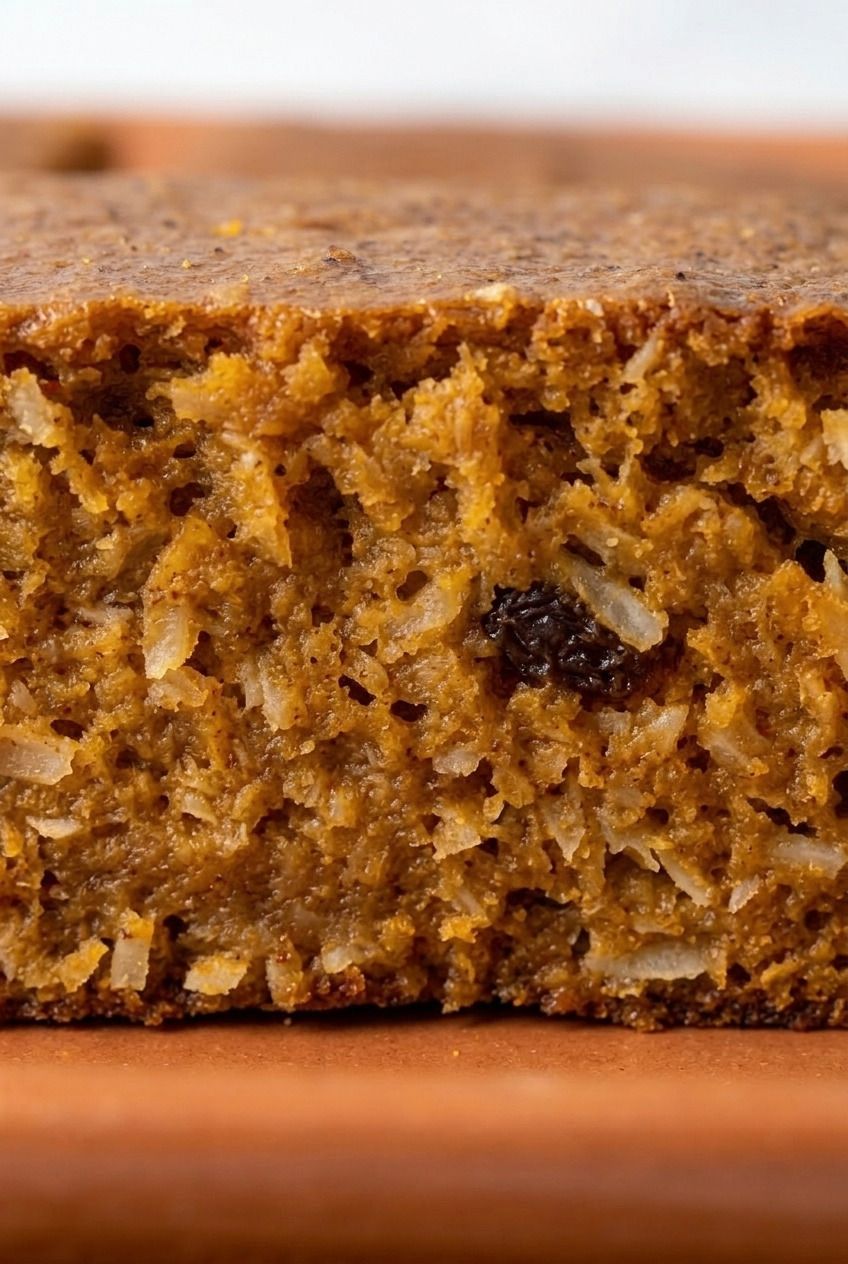
In Trinidad, pone almost always means cassava pone, grated cassava baked with coconut and spice into something dense and chewy that gets cut into squares.
The sweet potato version is its own thing, made in plenty of Trini kitchens, loved just as much, and never pretending to be the original.
So that's what this is.
The sweet potato pone, said out loud, not smuggled in under the cassava name.
My wife took one square out of the pan the first time I made it and then stood at the counter and took a second.
She said it tasted like a coconut macaroon that had been dared to become a brownie.
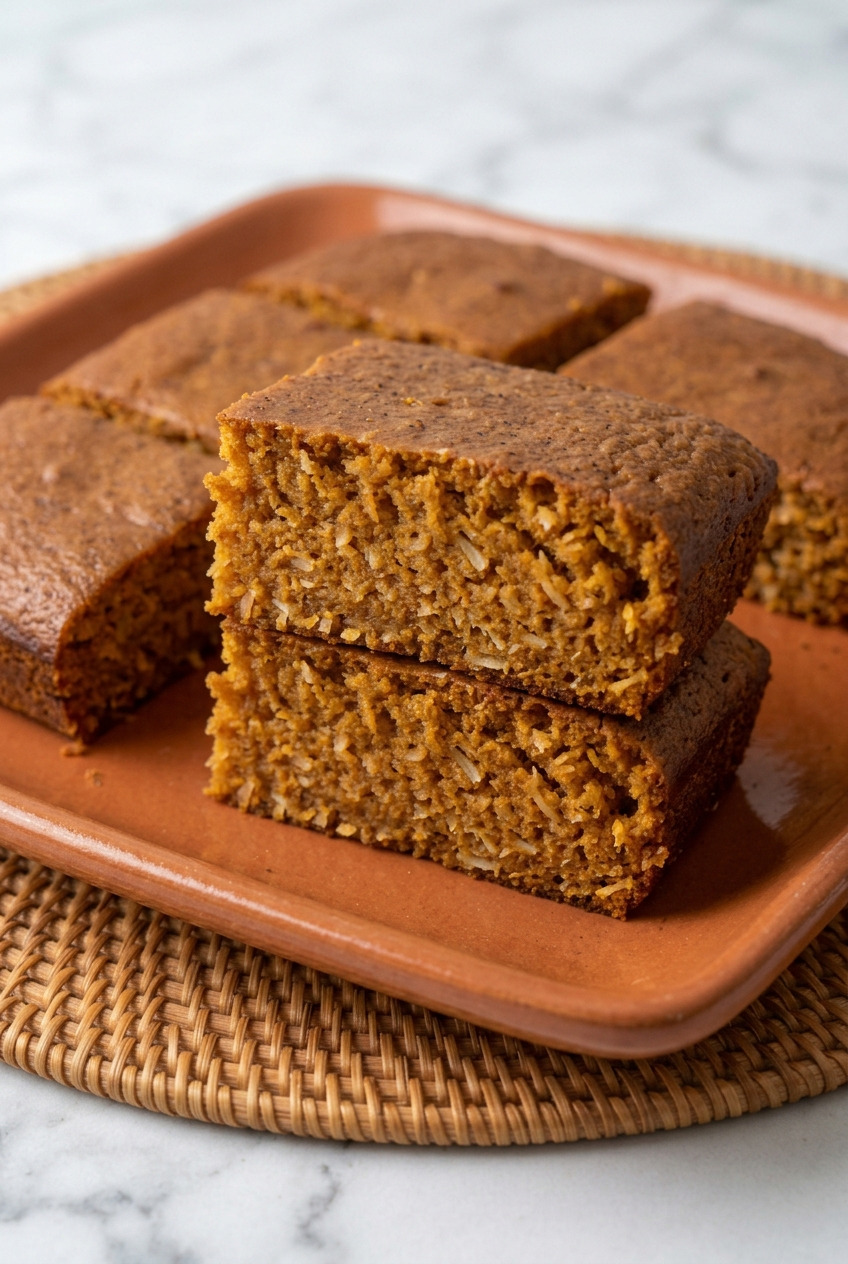
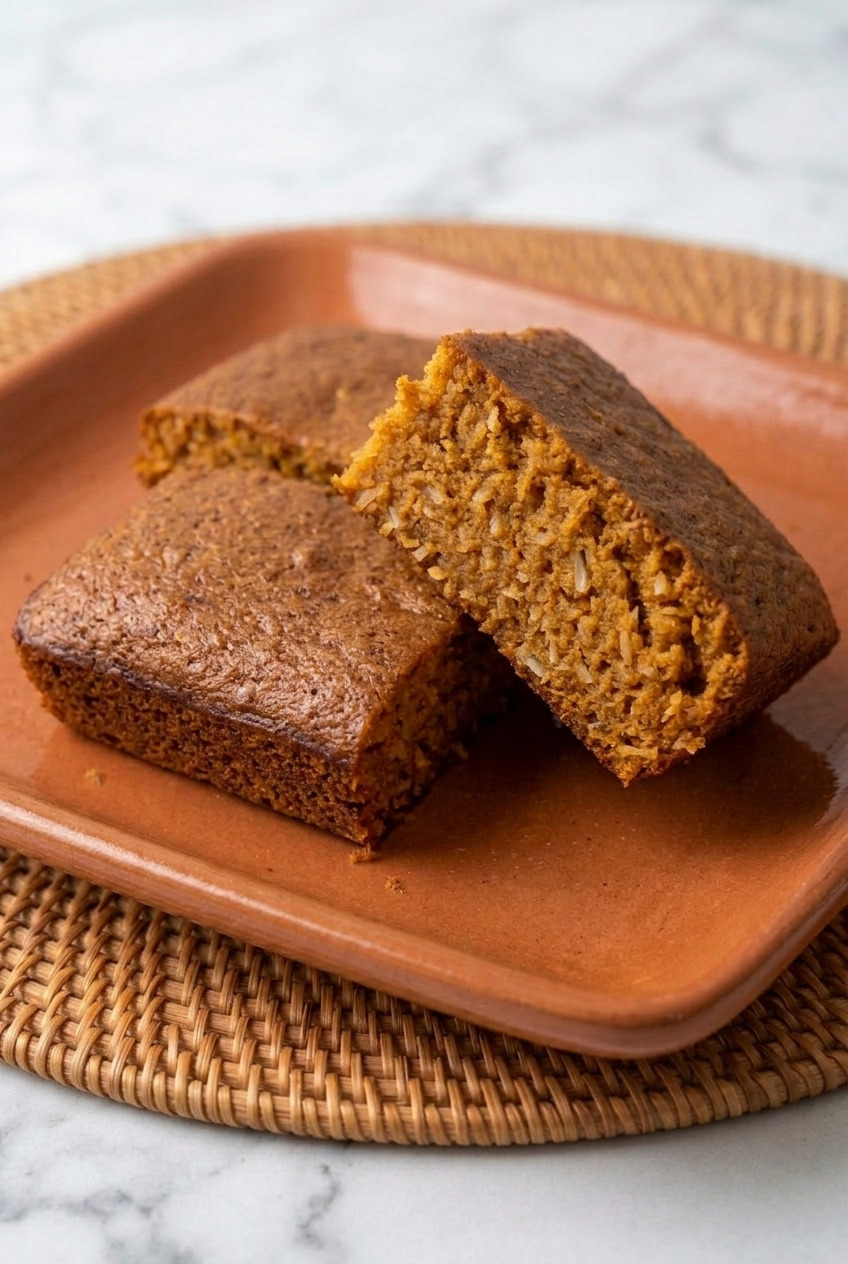
It's sticky and chewy, deeply spiced with fresh nutmeg, and the coconut runs all the way through it instead of sitting on top.
The whole recipe is a box grater and a bowl.
You grate raw sweet potato, stir everything together, pour it into a square pan, and bake it until the top is a deep glossy brown.
No mixer, no creaming, no rising.
The only real discipline is letting it cool all the way before you cut it, and I promise that part is worth the wait.
Wait, Isn't Pone Made With Cassava?
Yes, classically it is. If you ask for pone in Trinidad, you are most likely getting cassava pone, and that is the version most Trini cooks grew up with.
Sweet potato pone is the variant, and it's a real and widely made one across Trinidad and the wider Caribbean.
Both are built the same way: a starchy root grated raw, bound with coconut and coconut milk, sweetened with dark sugar, spiced hard with nutmeg, and baked slow into a dense chewy slab.
The difference is what the root brings.
Cassava is neutral and gives a bouncier, almost translucent chew.
Sweet potato is sweeter and softer, so the pone comes out a little more tender and a lot more orange.
One more thing worth naming. There's an American Southern dish also called sweet potato pone, and it is not this. That one uses mashed cooked sweet potato and bakes into something closer to a spoonable custard. Same name, different recipe, and it's the reason this search sends people in circles.
Ingredients You'll Need
Two of these ingredients do almost all the work. The grated raw sweet potato and the nutmeg are what make it pone instead of cake, so don't compromise on either.
- Sweet potatoes (about 2 pounds, for 3 cups grated). Orange-fleshed ones are what most US cooks will find, and they work. Grate them RAW on the fine side of a box grater. Never boil and mash them, because the raw starch is exactly what sets into that chewy crumb.
- Grated coconut (1 cup). Fresh grated coconut is the authentic choice and it's what you'd find in a Trini kitchen. Frozen grated coconut from a Caribbean or Asian grocer is the closest substitute. Unsweetened desiccated coconut works too, soaked in the coconut milk for ten minutes first so it doesn't drink moisture out of the batter.
- Full fat coconut milk (1 ¼ cups). Canned, well shaken. Light coconut milk gives you a thinner, sadder pone.
- Dark brown or demerara sugar (1 cup). Demerara is the island choice and it brings a raw molasses note. Dark brown sugar is a fine stand-in.
- Melted butter (4 tablespoons). Richness, and it helps the top brown into that glossy crust.
- All-purpose flour (¼ cup). A small amount, just to tighten the mix. Some cooks skip it, some use a spoon of cornmeal instead.
- Freshly grated nutmeg (1 teaspoon). This is non-negotiable. Grate it yourself from a whole nutmeg. The pre-ground jar tastes like dust next to it, and nutmeg is the flavor people are chasing when they eat pone.
- Ground cinnamon (1 teaspoon). Backup singer to the nutmeg.
- Vanilla extract (1 teaspoon).
- Mixed essence (½ teaspoon). Very Trinidadian, a blend of almond, vanilla and pear essences sold in every Trini grocery. If you can't get it, use ¼ teaspoon almond extract instead.
- Grated fresh ginger (½ teaspoon), optional. Adds a warm bite right at the back of each square.
- Raisins (½ cup), optional. Common in home versions. My wife votes yes, I vote no, so we alternate.
- Salt (¼ teaspoon). Sharpens all that sugar.
How to Make Trinidadian Sweet Potato Pone
Step 1: Grate the Sweet Potato
Peel the sweet potatoes and grate them on the fine side of a box grater straight into a large bowl.
Keep every bit of liquid that comes off with them.
That starchy juice is binder, not waste.
Step 2: Mix Everything in One Bowl
Add the grated coconut, coconut milk, sugar, melted butter, flour, nutmeg, cinnamon, vanilla, mixed essence, ginger, raisins, and salt to the grated potato.
Stir it with a wooden spoon until it looks like a loose, wet, speckled orange batter.
It should pour slowly off the spoon, not drop in clumps.
Step 3: Pan It and Bake
Butter an 8 by 8 inch pan well, including the corners, and pour the batter in.
Smooth the top and bake at 350°F for 55 to 70 minutes.
The pone will look alarmingly wet for the first forty minutes and then pull itself together fast in the last twenty.
Step 4: Cool Completely, Then Cut
Let it cool in the pan on a rack for at least 2 hours, all the way to room temperature.
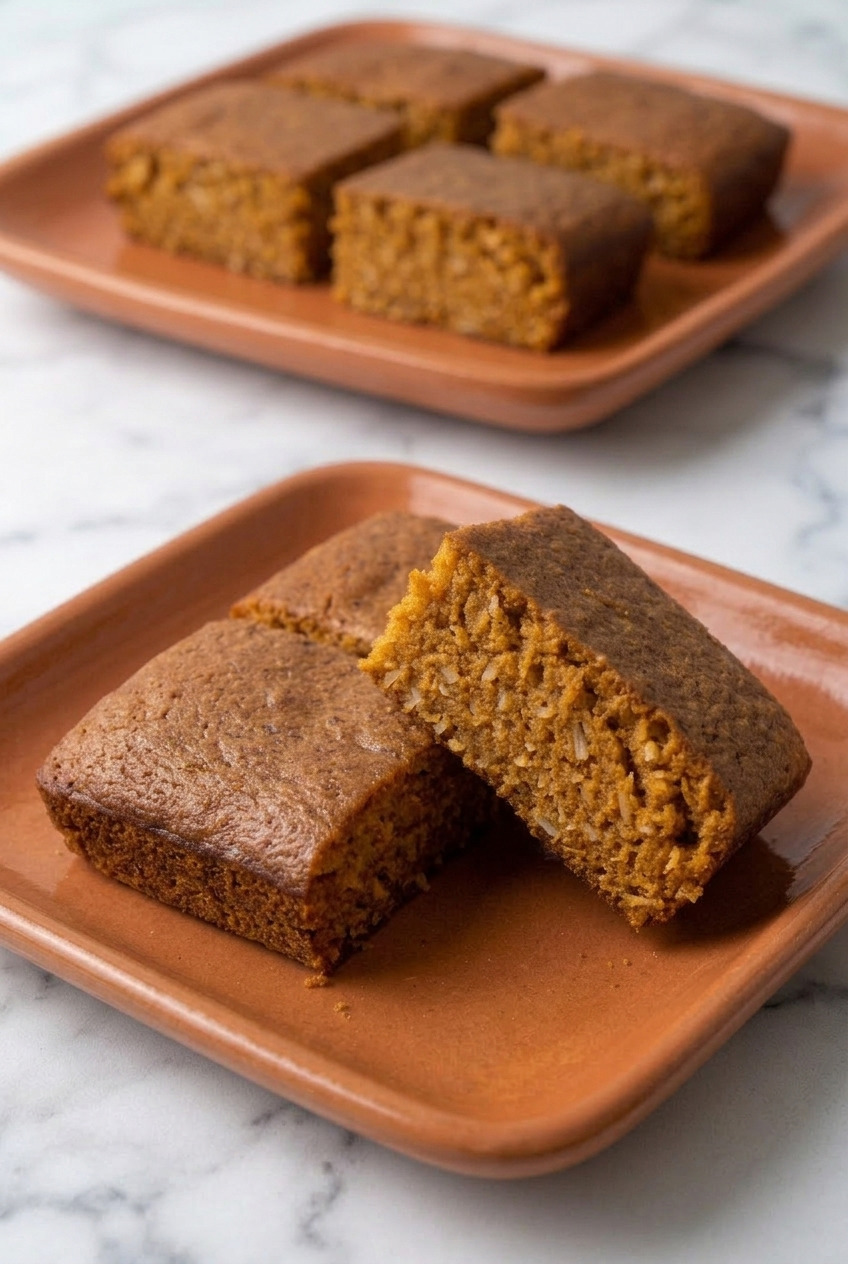
Then cut it into 12 squares with a thin knife, wiping the blade between cuts.
Cutting it warm gets you a delicious mess and no squares.
The Grating Is the Recipe
Everything about the texture is decided at the grater. Get this part right and the oven is just a formality.
Grate on the fine side, the one with the small round holes, not the big shredding side.
Fine shreds melt into each other and give you that seamless sticky chew.
Coarse shreds stay separate and you end up eating something closer to a hash brown pudding.
A food processor's shredding disc cuts too coarse for this.
If you want to use the machine, use the small grating disc, or pulse the coarse shreds a few times afterward.
Pro tip: Grate the potato last, right before you mix. Raw sweet potato oxidizes and goes grey-brown in about fifteen minutes on the counter, and while it bakes out fine, it's unsettling to look at.
How to Tell When Pone Is Done
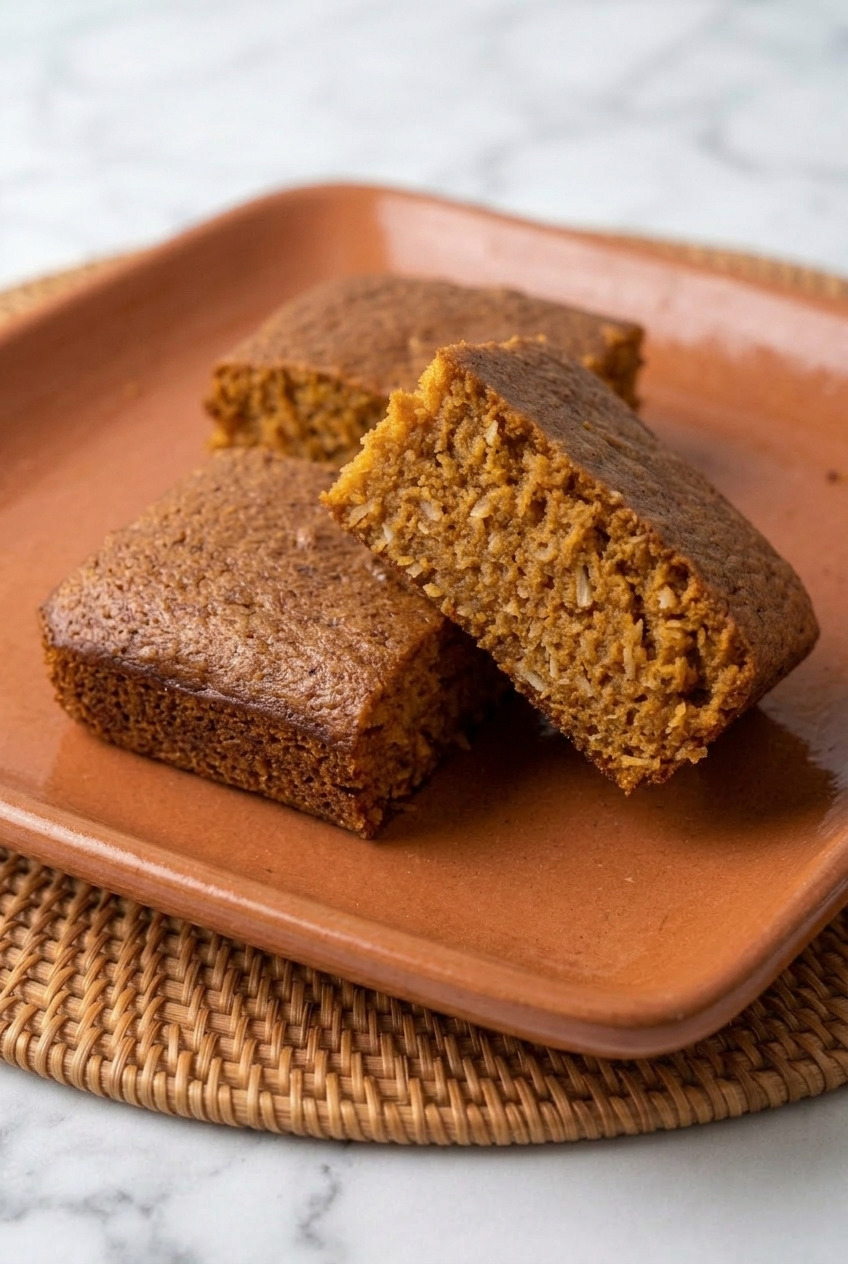
Pone gives you four signals, and you want all four. This is not a dish where one test is enough, because the middle stays soft by design.
- The top is deep brown and glossy. Not golden. Deep, dark, almost mahogany across the whole surface.
- The edges pull away. A thin gap opens between the pone and the sides of the pan.
- The center is firm to a light press. It should push back, not ripple.
- A skewer comes out with moist crumbs. Wet batter means keep going. Bone dry means you went too far and it'll be crumbly.
Tips for the Best Pone
- Grate the nutmeg fresh. I said it above and I'll say it again, because it's the single biggest flavor difference between good pone and forgettable pone.
- Don't overfill the pan. An 8 by 8 pan takes this batch and no more. A deeper layer never sets in the middle, and that's the number one cause of a gummy center.
- Use the whole nutmeg on a microplane. Twenty passes gets you a teaspoon.
- Butter the corners properly. Pone sticks. A parchment sling with an overhang on two sides makes lifting the whole slab out easy.
- Let it sit overnight if you can. Day two pone is chewier and the nutmeg has spread through everything. It's genuinely better.
Variations
- Raisins. Half a cup, stirred in with everything else. Soak them in a spoon of rum first if that's your kind of Sunday.
- Extra ginger. Double it to a full teaspoon for a sharper, more warming square.
- Pumpkin and sweet potato. Swap one cup of the grated sweet potato for grated calabaza or pumpkin. Common across the Caribbean and it lightens the texture a little.
- The cassava original. Same recipe, grated cassava in place of the sweet potato, and knock the flour out. Bouncier, chewier, less sweet, and it is the pone your Trini friend means.
- A butter and sugar wash. Brush the top with melted butter and a spoon of demerara in the last ten minutes for a shinier, crackly crust.
Storing and Freezing
- Room temperature. Covered on the counter for 2 days. It stays chewy and the flavor deepens.
- Refrigerated. In an airtight container up to 1 week. It firms up cold, so let squares sit out twenty minutes before eating.
- Frozen. Wrap individual squares and freeze up to 3 months. Thaw at room temperature, or warm a square for 15 seconds in the microwave.
What to Serve It With
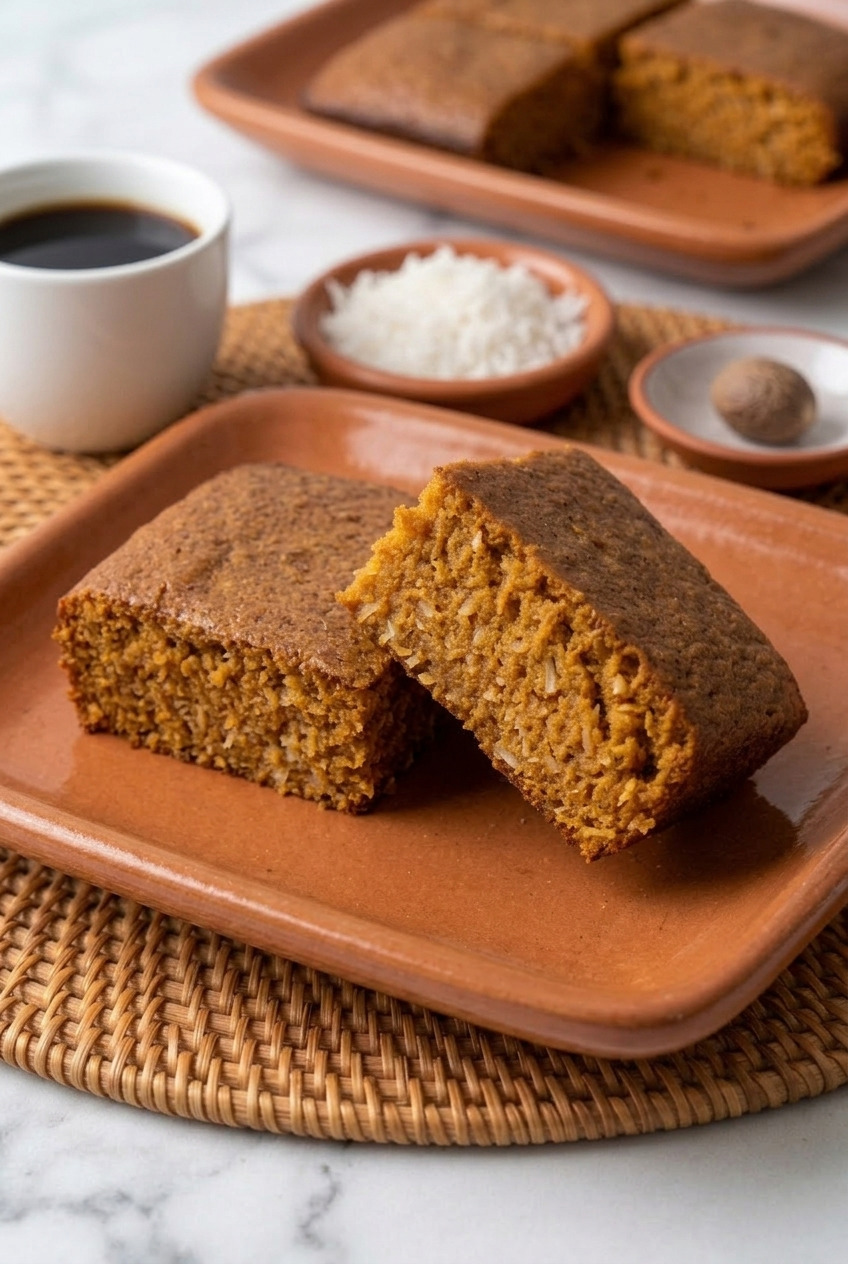
Pone is a coffee food. A square with black coffee in the afternoon is exactly what it was built for.
Cocoa tea is the more Trini answer, thick spiced hot chocolate made from grated cocoa with a bay leaf in it.
It also holds its own on a Sunday table next to a rum cake or a plate of currants rolls.
What's not to love about a dessert that keeps for a week and needs no plate?
Frequently Asked Questions
Is pone supposed to be made with cassava or sweet potato?
Classically, cassava. Cassava pone is the standard in Trinidad and is what most people mean by pone. Sweet potato pone is a genuine and popular variant, not the original, and this recipe is that variant.
What's the difference between Trinidadian and Southern sweet potato pone?
The Trini version grates the sweet potato raw and bakes it dense and chewy with coconut and nutmeg, then cuts it into squares. The American Southern version mashes cooked sweet potato into something closer to a soft baked custard, usually served with a spoon. Same name, completely different dish.
Why is my pone gummy in the middle?
Almost always because the layer was too deep or it came out of the oven early. Stick to an 8 by 8 pan and keep baking until the top is deep brown and the edges pull away. Cutting it before it has cooled completely also reads as gummy even when it's baked through.
Can I use canned or frozen grated coconut?
Frozen grated coconut is excellent and is what I use most of the time. Unsweetened desiccated coconut works if you soak it in the coconut milk for ten minutes first. Avoid sweetened flaked coconut, since it pushes the whole thing over the edge into candy.
Which sweet potato should I buy?
A firm orange-fleshed sweet potato is the easy US choice. If your grocer carries the white-fleshed Caribbean boniato, use it, since it's drier and closer to what's used on the island. You'll need a little more coconut milk with boniato.
How do I know when it's done?
Deep brown glossy top, edges pulling from the pan, a firm press in the center, and a skewer with moist crumbs on it. All four together.
How long does pone keep, and can I freeze it?
Two days covered on the counter, a week in the fridge, and three months in the freezer wrapped square by square. It's one of the best keeping desserts I make.
Recipe
Trinidadian Sweet Potato Pone
Ingredients
For the Pone
- 3 cups sweet potato peeled and finely grated raw, about 2 pounds whole
- 1 cup grated coconut fresh or frozen grated, or unsweetened desiccated
- 1 ¼ cups full fat coconut milk canned, well shaken
- 1 cup dark brown or demerara sugar
- 4 tablespoons unsalted butter melted, plus more for the pan
- ¼ cup all-purpose flour
- 1 teaspoon nutmeg freshly grated
- 1 teaspoon ground cinnamon
- 1 teaspoon vanilla extract
- ½ teaspoon mixed essence or ¼ teaspoon almond extract
- ½ teaspoon fresh ginger finely grated, optional
- ½ cup raisins optional
- ¼ teaspoon salt
Instructions
Grate and Mix
- Heat the oven to 350F. Butter an 8 by 8 inch baking pan well, including the corners, or line it with a parchment sling.
- Peel the sweet potatoes and grate them on the fine side of a box grater into a large bowl, keeping all the liquid that comes off with them.
- Add the grated coconut, coconut milk, sugar, melted butter, flour, nutmeg, cinnamon, vanilla, mixed essence, ginger, raisins, and salt. Stir with a wooden spoon until the mixture is a loose, wet, evenly speckled orange batter that pours slowly off the spoon.
Bake and Cool
- Pour the batter into the prepared pan and smooth the top. Bake 55 to 70 minutes, until the top is deep brown and glossy, the edges pull away from the pan, and the center is firm to a light press.
- Test with a skewer. It should come out with moist crumbs and no wet batter.
- Cool completely in the pan on a rack, at least 2 hours, then cut into 12 squares with a thin knife, wiping the blade between cuts.
Notes
- Grate raw, never mashed: the raw starch is what sets into the chewy crumb that makes this pone.
- Use the fine side of the grater: coarse shreds stay separate and the texture never comes together.
- Freshly grated nutmeg: the biggest single flavor difference in the whole recipe.
- Cool completely: cutting warm pone gives you a smear instead of squares.
- Storage: 2 days covered at room temperature, 1 week refrigerated, 3 months frozen in wrapped squares.