There's a whistle you hear before you see anything.
High, mournful, a little unsettling if nobody has warned you about it.
That's the camote cart, and the sound comes from a steam vent on the vendor's oven drum.
I followed one for two blocks in Puebla before I figured out what I was chasing.
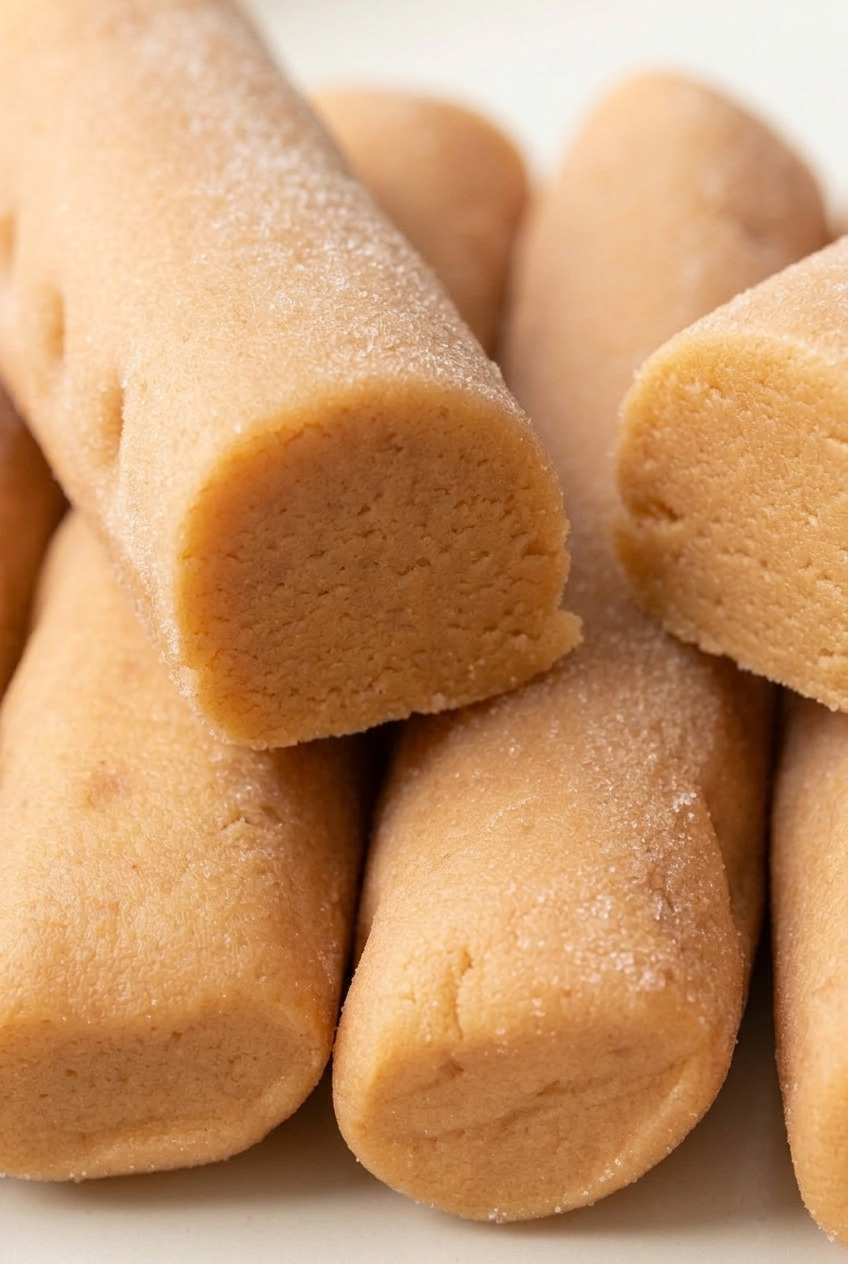
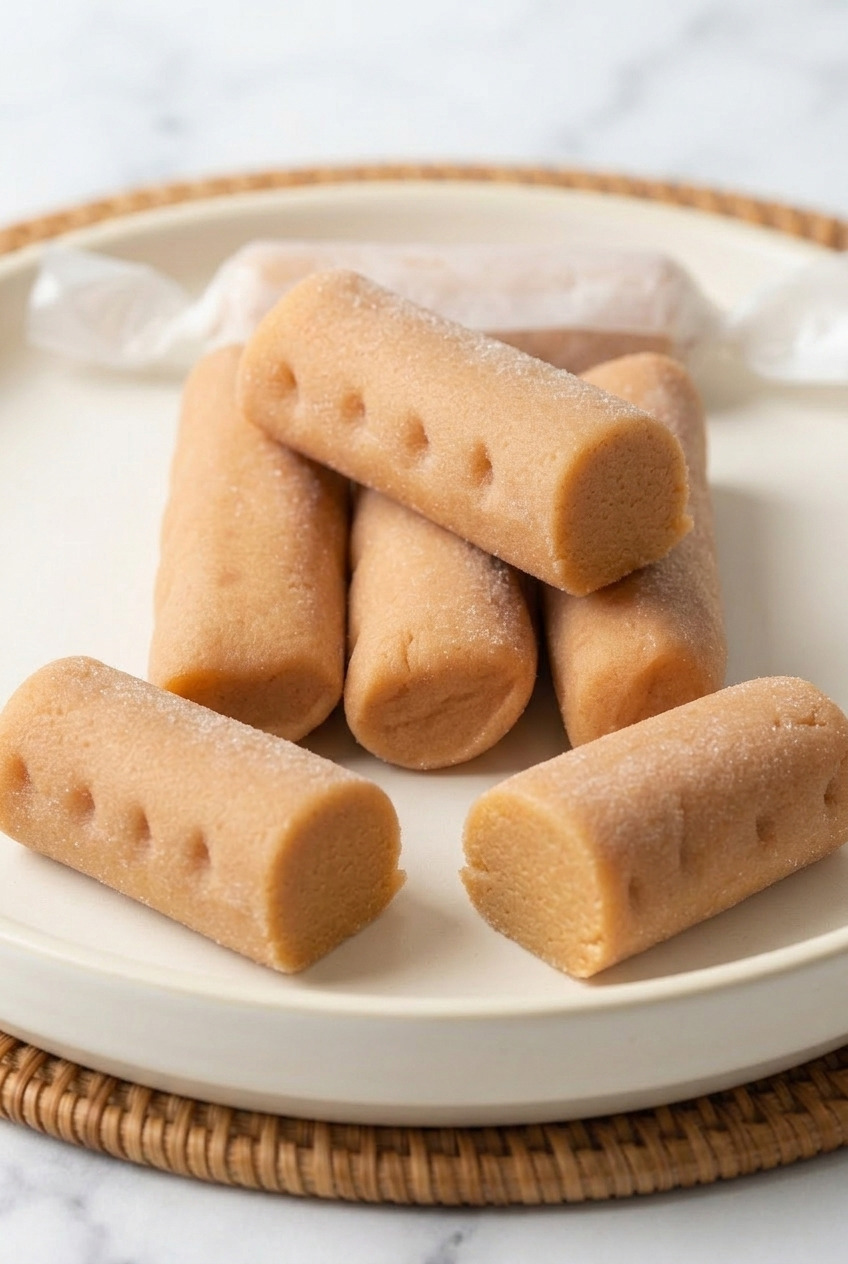
What I found at the end of it was a glass case of pale candy logs, twisted up in wax paper like little party favors.
Pink ones, orange ones, cream colored ones.
The vendor handed me a pineapple one and I ate it standing on the curb.
Soft, almost fondant-like, sweet but with an earthy backbone that kept it from being cloying.
I bought six more for the hotel room and finished them before dinner.
Since then I've made these at home more times than my wife thinks is reasonable.
The whole thing is sweet potato and sugar.
You bake the potatoes, mash them, cook the paste down in a heavy pan until it pulls away from the sides, then roll it into logs while it's still warm.
The craft is entirely in knowing when to stop cooking.
I'll show you three ways to tell.
These are not the syrupy stewed camotes enmielados you eat with a spoon, and I'll sort out that difference in a minute!
What Is Dulce de Camote?
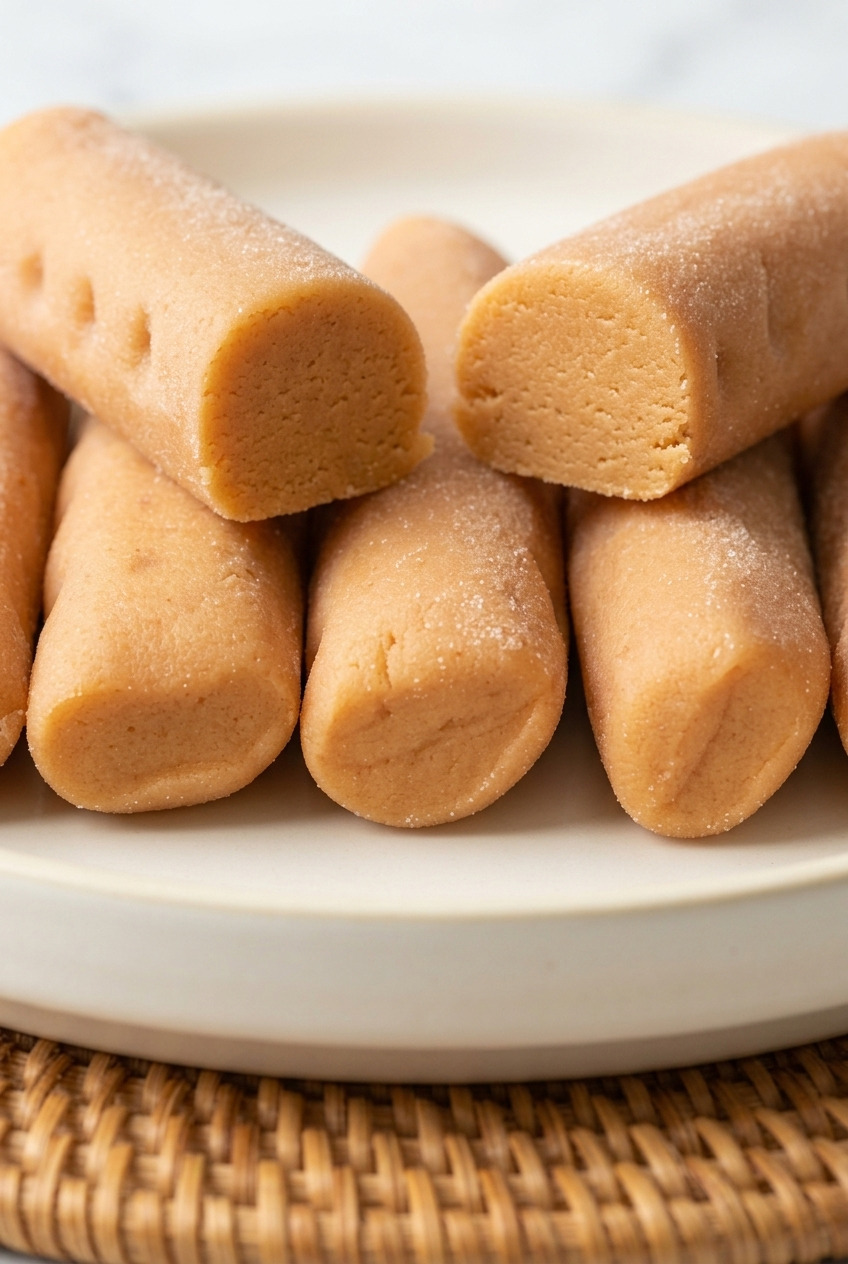
Dulce de camote is a soft Mexican candy made from cooked sweet potato beaten with sugar into a thick paste, then rolled by hand.
The most famous version comes from Puebla, where they're called camotes de Puebla and sold as a regional souvenir sweet.
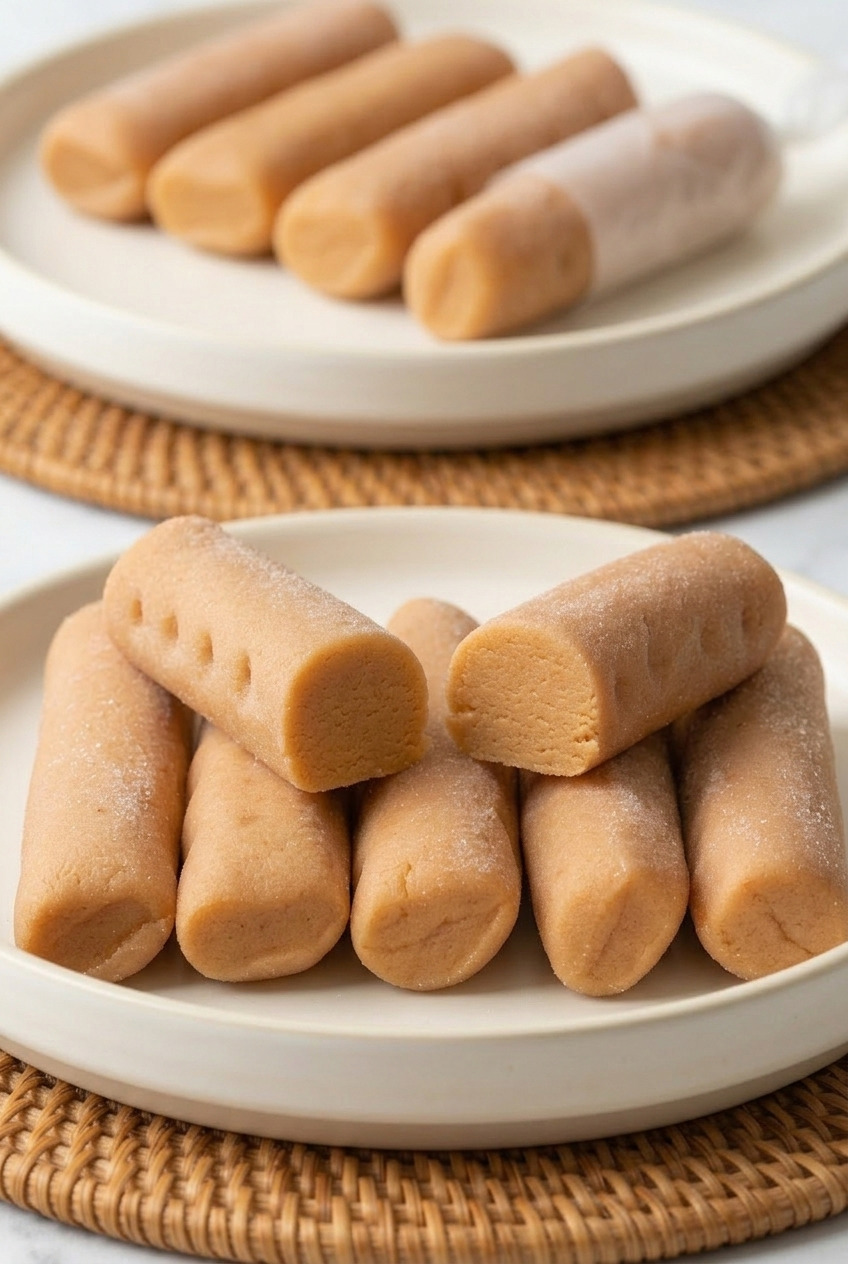
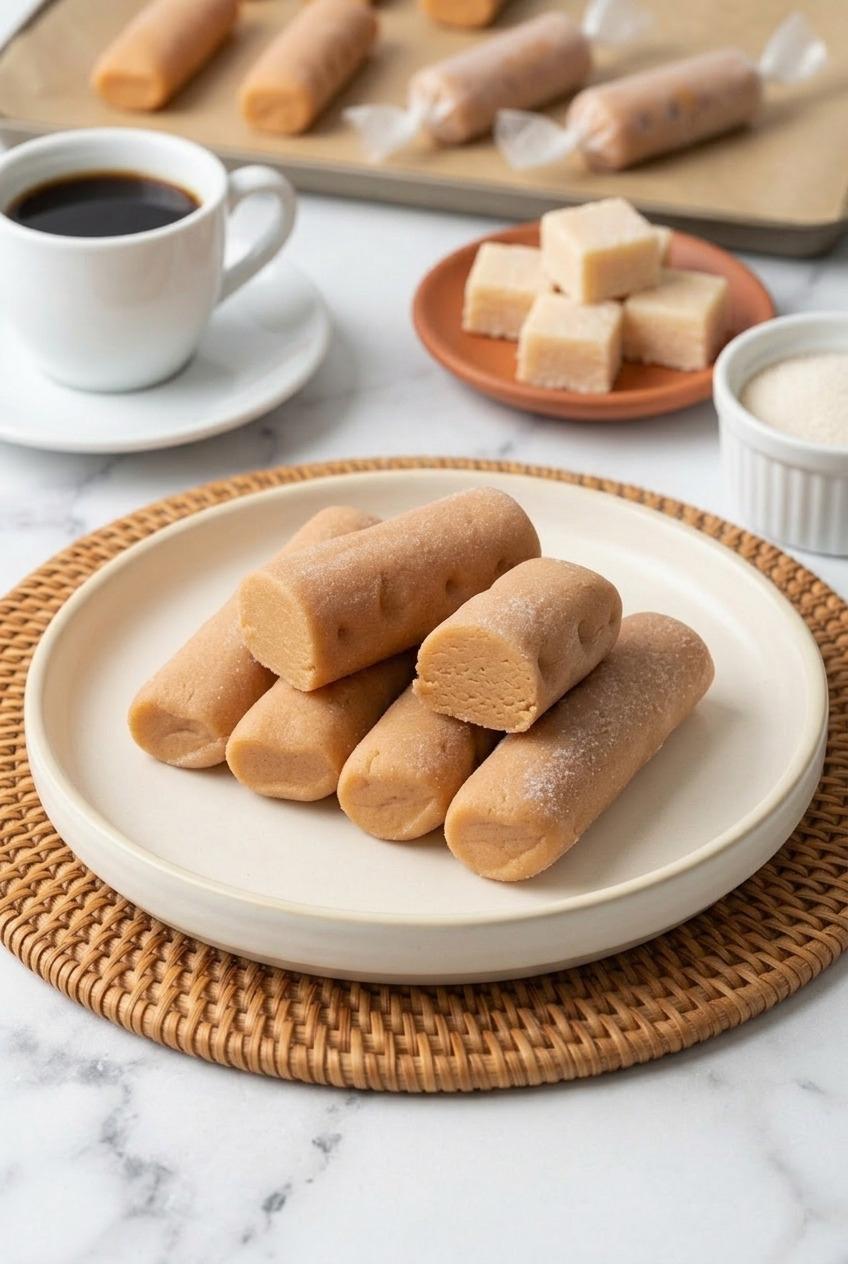
They get shaped into short logs about the size of your thumb, dried until the outside firms up, then twisted into wax paper.
The texture is the whole appeal: dense, smooth, a little chewy, closer to fondant or marzipan than to anything you'd call a candy bar.
Traditional Puebla versions come flavored with fruit, most often pineapple, guava, strawberry or coconut.
The plain one lets the sweet potato speak for itself, and it's my favorite.
Fair warning: they disappear fast, and a single batch does not go as far as you'd think.
Dulce de Camote Versus Camotes Enmielados
These two get confused constantly, including by recipe sites.
Camotes enmielados are whole chunks of sweet potato stewed in a piloncillo syrup with canela and clove until they're soft and glossy. You eat them warm, with a spoon, syrup and all.
Dulce de camote is a candy. The flesh gets cooked down with sugar into a firm rollable paste and eaten out of hand.
Same vegetable, same spice cabinet, entirely different desserts.
Both are traditional and neither is more correct than the other.
They just aren't interchangeable, and a recipe that hands you a pot of syrup and whole chunks is not going to give you a candy you can roll.
Camote Versus Sweet Potato
Camote is simply the Spanish word for sweet potato, so there's no exotic ingredient hiding here.
The catch is which one.
Mexican camote is often the pale, dry, white or cream fleshed type, and that's what gives the classic camotes de Puebla their soft ivory or pale pink color.
American orange fleshed sweet potatoes work fine and I use them regularly.
- White fleshed camote. Drier, starchier, less sweet on its own. Pale candy, firmer paste, less cooking time. Latin markets sell it as camote blanco or boniato.
- Orange fleshed sweet potato. Wetter and sweeter. Brighter orange candy, and you'll cook the paste 5 to 10 minutes longer to drive off the extra moisture.
Either one makes good candy. They just behave differently and it's worth knowing which you're holding.
Ingredients You Will Need
Two ingredients do almost all of the work here. Everything else is seasoning or optional.
- Sweet potatoes (2 pounds). White fleshed camote first if your market has it, orange fleshed sweet potato otherwise. Bake them, do not boil them. Boiled flesh carries far too much water and the paste will never firm up enough to roll, no matter how long you stir it.
- Granulated sugar (1 ½ cups). Plain white sugar gives you the classic pale Puebla candy. This is also the structure, since sugar is what makes the mass set firm as it cools.
- Piloncillo (one 8 ounce cone, as an alternative). Swap it for the sugar if you want a darker, deeper, more molasses flavored candy. Chop it or dissolve it in the water first, because a whole cone takes forever to break down.
- Mexican cinnamon stick (1 stick). True canela, the soft flaky Ceylon type, not hard cassia bark. Canela is floral and mild. Cassia is aggressive and will bully the sweet potato right out of the candy.
- Whole clove (1). Just one. Background warmth.
- Water (2 tablespoons). Only to get the sugar moving at the start.
- Fresh lime juice (1 tablespoon). My own addition. It keeps the sugar from crystallizing into a grainy candy and it lifts the flavor.
- Salt (¼ teaspoon). Non negotiable in anything this sweet.
- Vanilla extract (½ teaspoon, optional).
- Pineapple or guava puree (⅓ cup, optional). For the flavored Puebla versions. More on those below.
How to Make Dulce de Camote
Step 1: Bake the Sweet Potatoes
Prick 2 pounds of sweet potatoes all over and bake them whole at 425°F for 50 to 60 minutes, until they slump and the skins wrinkle.
High heat is deliberate. You want to drive water off and concentrate the sugars.
Let them cool just enough to handle, then scoop the flesh out and discard the skins.
Step 2: Mash and Sieve
Push the warm flesh through a fine mesh sieve or a potato ricer.
A blender makes it gluey, so use pressure, not blades.
You should have roughly 2 ½ cups of smooth puree.
Weigh it if you can, because the sugar to flesh ratio is what determines whether this rolls.
Step 3: Cook the Paste With the Sugar
Put the sugar, water, canela stick and clove in a wide heavy bottomed pan over medium heat and stir until the sugar dissolves.
Add the sieved puree, the salt and the lime juice.
Now stir. Constantly.
Use a heatproof spatula and scrape the whole bottom of the pan, because this mass scorches the instant you look away.
Step 4: Cook to the Right Point
Keep going for 25 to 35 minutes over medium-low heat.
The paste will darken slightly, turn glossy, then go matte and start balling up behind the spatula.
It's ready when it pulls cleanly away from the sides of the pan in a single mass.
Fish out the canela stick and the clove.
Step 5: Cool Until Handleable
Scrape the paste onto a parchment lined sheet and spread it into a rough slab about 1 inch thick.
Let it cool 30 to 40 minutes, until it's warm rather than hot and no longer sticks to a clean finger.
Rolling it too hot gives you a smeared mess. Rolling it cold gives you cracks.
Step 6: Roll and Dry
Wet your hands lightly, pinch off about 2 tablespoons at a time, and roll each piece into a log roughly 2 ½ inches long with slightly tapered ends.
Set them on parchment with a little space between them.
Leave them uncovered at room temperature for 4 to 6 hours, or overnight, until the surface is dry to the touch and slightly sugared.
That dry skin is what lets you wrap them without everything sticking together.
Flavoring Camotes de Puebla
The fruit flavored versions are the ones people remember, and almost nobody publishes the ratios. Here they are.
- Pineapple. Add ⅓ cup of thick pineapple puree with the sweet potato, and cook the paste an extra 8 to 10 minutes to compensate. The classic and the brightest tasting.
- Guava. ⅓ cup of guava puree, strained to remove the seeds. Fragrant and floral, my personal favorite of the fruit versions.
- Strawberry. ¼ cup of thick strawberry puree, cooked down first until it's jammy. Fresh berries carry too much water to add raw.
- Coconut. ½ cup of finely grated unsweetened coconut stirred in during the last 5 minutes. No extra cooking time needed, since it adds no moisture.
- Lime. The zest of two limes stirred in off the heat. Sharp and clean against all that sugar.
Pro tip: Any fruit puree you add has to be thick, closer to a jam than a juice. Watery puree means twenty more minutes at the stove and a candy that never quite firms up.
Tips for the Best Sweet Potato Candy
- Weigh the cooked flesh. Sweet potatoes vary enormously. Roughly 2 parts flesh to 1 part sugar by volume is the target, and getting there by measurement beats guessing.
- Use your widest heavy pan. More surface area means faster evaporation and less stirring.
- Do not walk away. Scorched sugar makes the whole batch taste burnt, and there is no rescue.
- Sieve, don't blend. Blades develop the starch and give you a gummy, sticky paste.
- Wet your hands to roll. Just damp, not dripping. Reset them every few pieces.
- Grate your own canela if you can. The difference between real Mexican canela and supermarket cassia in a candy this simple is not subtle.
Troubleshooting
- Too soft to roll. The paste is undercooked or the potatoes were boiled. Scrape it back into the pan and cook another 10 to 15 minutes, until it balls up behind the spatula and pulls clean off the sides.
- Grainy or sandy texture. The sugar crystallized. Add the lime juice next time, keep the heat at medium-low, and never let undissolved sugar crystals sit on the side of the pan. A finished grainy batch can be re-melted with 2 tablespoons of water and cooked down again.
- Cracked, dry logs. You rolled the paste after it went cold. Warm it gently and roll again.
- Sticky after drying. Humidity, mostly. Give them another few hours uncovered, or roll each log in a little superfine sugar.
- Bitter or burnt taste. Scorched bottom. Start over, keep the heat lower, and scrape the corners of the pan where the wall meets the base.
How to Serve and Store
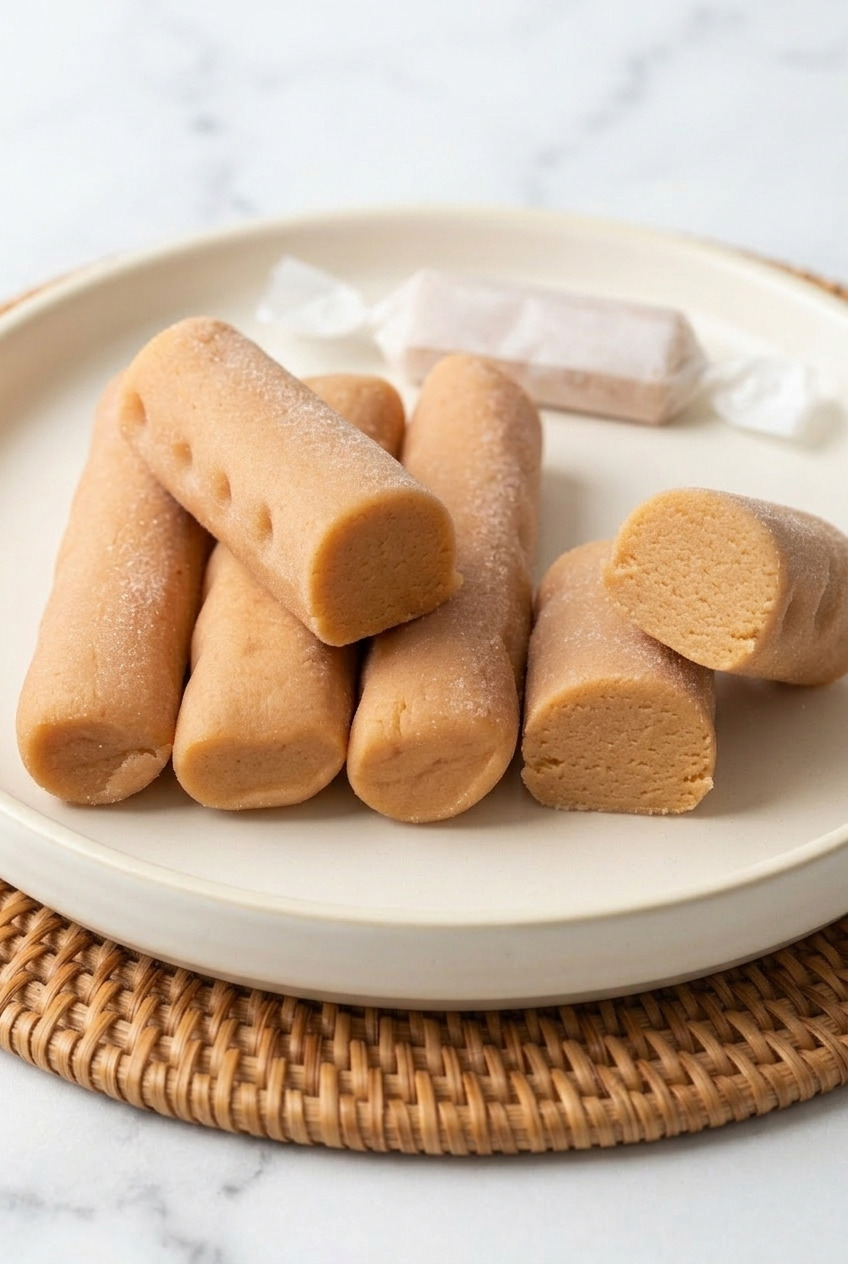
- The traditional wrap. Twist each dried log in a rectangle of wax paper, candy style with both ends twisted shut. That's exactly how they're sold in Puebla and it keeps them from sticking to each other.
- With coffee or atole. One or two alongside a strong coffee is the standard afternoon move.
- On a dulces mexicanos plate. Alongside cocadas, jamoncillo and candied pumpkin for a proper Mexican sweets spread.
- For Day of the Dead. Camotes are a common ofrenda sweet, and the pale pink ones look wonderful next to marigolds.
- Storage. A single layer in an airtight container at cool room temperature, 2 weeks. Do not refrigerate them, the cold makes the surface weep.
- Freezing. Wrapped and bagged, 3 months. Thaw at room temperature still wrapped so condensation forms on the paper instead of on the candy.
Recipe
Dulce de Camote (Mexican Sweet Potato Candy)
Ingredients
For the Candy
- 2 pounds sweet potatoes white fleshed camote preferred, orange fleshed works
- 1 ½ cups granulated sugar or one 8 ounce piloncillo cone for a darker candy
- 1 stick Mexican cinnamon (canela)
- 1 whole clove
- 2 tablespoons water
- 1 tablespoon fresh lime juice
- ¼ teaspoon salt
- ½ teaspoon vanilla extract optional
Optional, For the Flavored Version
- ⅓ cup thick pineapple or strained guava puree add with the sweet potato, cook 8 to 10 minutes longer
Instructions
Bake and Puree
- Prick the sweet potatoes all over and bake them whole at 425 degrees F for 50 to 60 minutes, until they slump and the skins wrinkle. Baking rather than boiling drives off water and concentrates the sugar.
- Cool just enough to handle, scoop out the flesh and discard the skins.
- Push the warm flesh through a fine mesh sieve or a potato ricer. Do not use a blender, the blades develop the starch and make the paste gummy. You should have about 2 ½ cups of smooth puree.
Cook, Roll and Dry
- In a wide heavy pan over medium heat, stir the sugar, water, canela stick and clove until the sugar dissolves. Add the sieved puree, salt and lime juice.
- Cook over medium-low heat, stirring constantly and scraping the whole bottom of the pan, for 25 to 35 minutes. The paste is ready when it goes matte, balls up behind the spatula and pulls cleanly away from the sides in a single mass. Remove the canela stick and clove.
- Scrape the paste onto a parchment lined sheet, spread it about 1 inch thick and cool 30 to 40 minutes, until warm rather than hot and no longer sticky to a clean finger.
- With lightly wet hands, pinch off about 2 tablespoons at a time and roll each into a log about 2 ½ inches long with tapered ends. Set them on parchment with space between them.
- Leave uncovered at room temperature for 4 to 6 hours or overnight, until the surface is dry to the touch. Twist each log in a rectangle of wax paper to store.
Notes
- Bake, never boil: Boiled flesh carries too much water and the paste will not firm up enough to roll.
- Use real canela: Soft flaky Mexican cinnamon, not hard cassia bark, which overpowers the sweet potato.
- Too soft to roll: Cook the paste another 10 to 15 minutes until it balls up behind the spatula.
- Grainy candy: The sugar crystallized. Keep the heat at medium-low and do not skip the lime juice.
- Not camotes enmielados: That dish is whole chunks stewed in piloncillo syrup and eaten with a spoon. This is a rollable candy.
- Storage: A single layer in an airtight container at cool room temperature for 2 weeks. Do not refrigerate.