I went looking for a nilupak recipe on a Sunday afternoon and every single one pointed me at cassava.
Fair enough, because cassava is the classic.
The trouble was the bag of sweet potatoes already sitting on my counter and no cassava anywhere in my neighborhood.
So I called my friend Marisol, who grew up eating this in Batangas, and she told me what I should have guessed.
The kamote version is a real thing, made in Filipino kitchens all the time, and it is softer, sweeter and considerably more forgiving.
Nilupak just means pounded, and you can pound a sweet potato as happily as anything else.
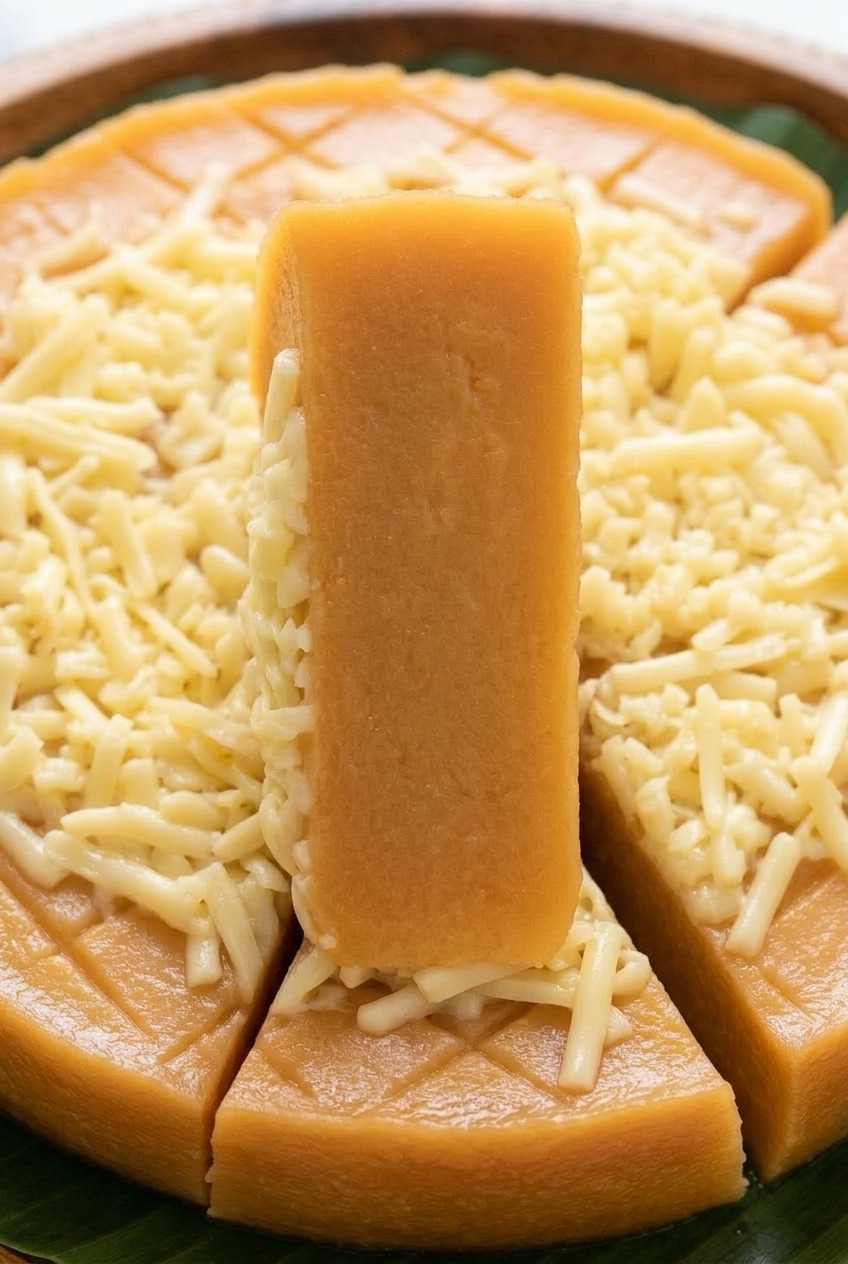
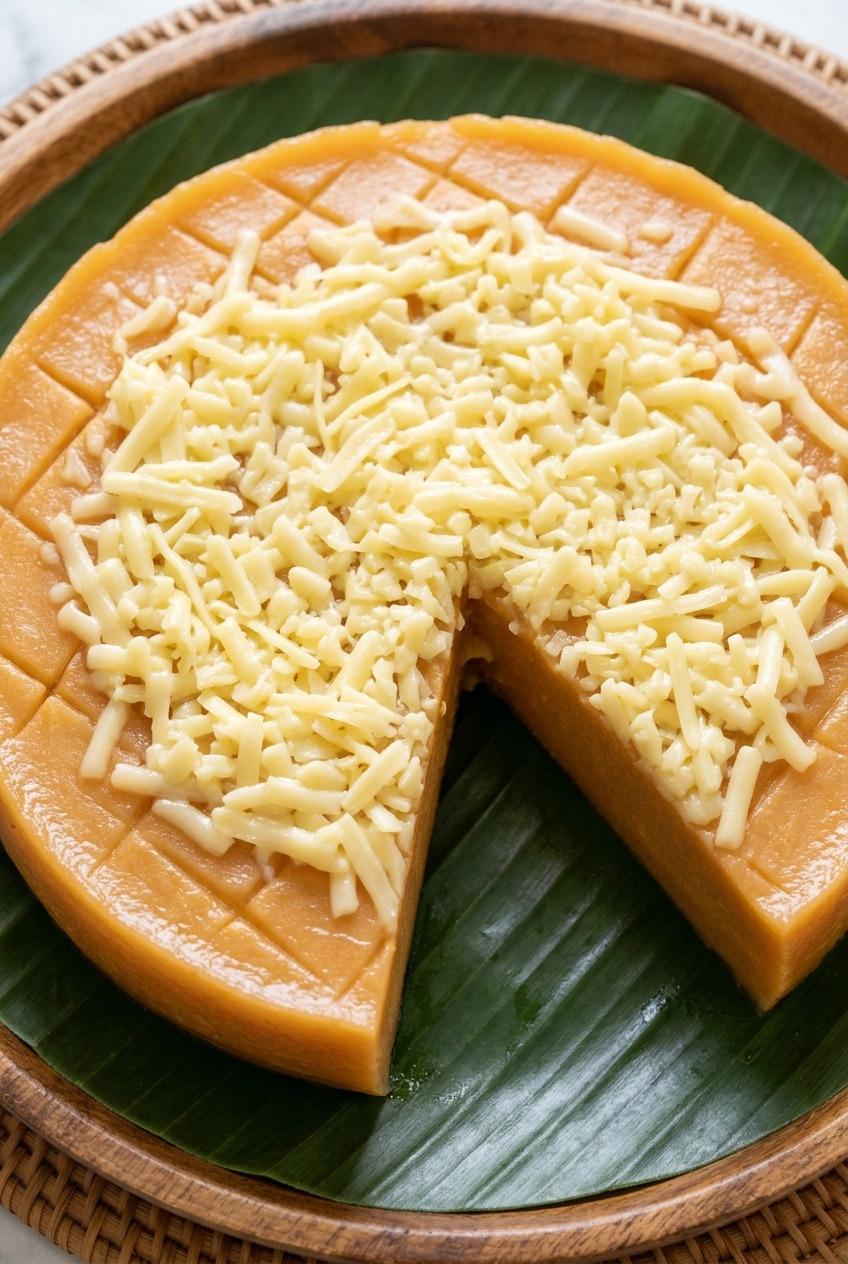
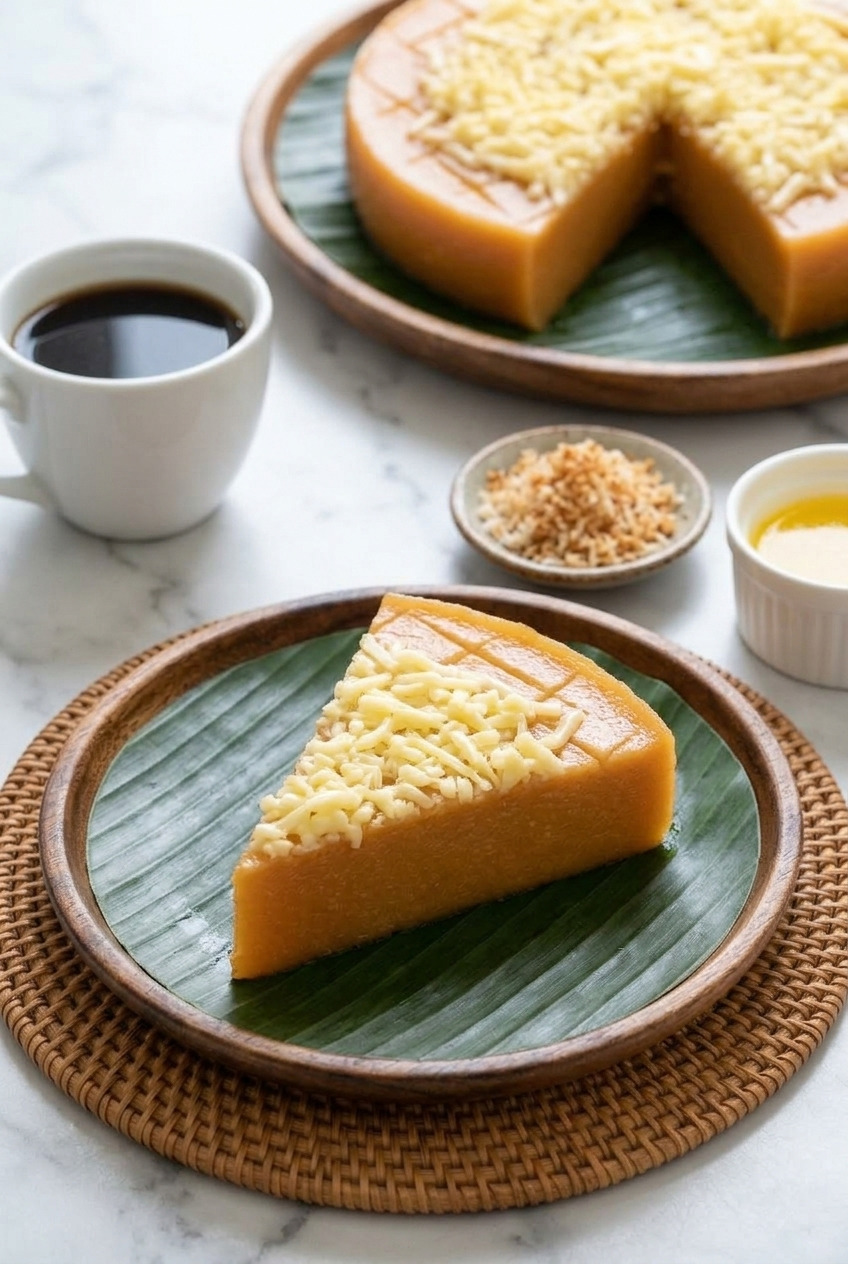
Forty minutes later I had a mound of it on a banana leaf, glossy with butter, sweet with condensed milk, and covered in grated cheese that had gone soft at the edges.
Salty and sweet at the same time, which is a very Filipino idea and a very good one.
My wife took one bite and asked why nobody in America eats this.
I've made it four times since.
It's four main ingredients, no oven, no special equipment beyond a masher, and it sits in the fridge waiting for you.
The cassava version takes 40 minutes of boiling alone.
This one is done start to finish in that time.
Make it once and it becomes your afternoon snack of choice.
What Nilupak Is, and Why Ours Uses Kamote
Let's be straight about the name before anything else. Nilupak is classically a cassava dish, and this is the sweet potato variant.
- The word means pounded. It comes from lupak, to pound. Traditionally the cooked root goes into a wooden mortar, called a lusong, and gets worked with a heavy pestle until it turns smooth and slightly elastic.
- Cassava is the classic root. If a Filipino cook says nilupak with no qualifier, they usually mean nilupak na kamoteng kahoy, the cassava one. That is the version you'll find in most recipe collections.
- Kamote nilupak is its own thing. Nilupak na kamote, made with sweet potato, is common across the Philippines and eaten the same way. It is not a Western substitution, it is a regional variant with its own name.
- Sweet potato changes the dish. It's naturally sweeter, softer and less starchy than cassava, so the mash is creamier and takes less sugar. It's also less fussy, since cassava has to be cooked thoroughly for safety and sweet potato has no such rule.
- It's merienda food. This is a Filipino afternoon snack, served at room temperature or cool, usually on banana leaf, usually cut with a knife into wedges and eaten with the fingers.
Ingredient Notes
Four ingredients do the real work and one of them surprises people. The cheese is not a modern invention, it belongs.
- Sweet potatoes (2 pounds). Any orange sweet potato works. Filipino kamote often has purple skin with pale yellow or white flesh and it is a little drier, which is ideal. If your market has Japanese sweet potatoes, those are the closest match and they make an excellent version.
- Butter (½ cup, softened, plus more for serving). Real butter, worked into the hot mash so it melts in completely. It carries the whole texture. Filipino cooks often use a salted table butter here, and that saltiness is part of the effect.
- Sweetened condensed milk (1 cup). The signature. Sweetness and creaminess in one can, and there's no substitute that behaves the same way.
- Coconut milk (½ cup). Full-fat, from a can. Not in every nilupak recipe, and it belongs in a kamote version. It loosens the mash and cuts through the condensed milk so the whole thing doesn't read as one flat sweetness.
- Processed cheese (1 cup, shredded). This is the traditional choice, not a shortcut. Filipino desserts use processed cheese, Eden or a similar block, because it's salty, mild and it softens without turning greasy. Velveeta or a mild American cheese works the same way. Sharp cheddar overpowers it.
- Salt (½ teaspoon). Small amount, big job. Without it the sweetness has no edge to push against.
- Banana leaves. Frozen banana leaves from an Asian market, thawed and wiped. They perfume the mash faintly and they're the traditional serving surface. A plate works if you can't find them.
How to Make Nilupak Na Kamote
Cook, pound, mix, shape, chill. The only tricky part is a water problem, and step one solves it.
Step 1: Steam the Sweet Potatoes
Peel 2 pounds of sweet potatoes and cut them into 2-inch chunks.
Steam them over boiling water for 20 to 25 minutes, until a knife slides in with no resistance.
Steam, don't boil. Sweet potato drinks up water, and a waterlogged mash will never hold its shape on the leaf.
If you must boil, use as little salted water as possible and drain them very well.
Step 2: Pound or Mash Until Smooth
Work them while they're properly hot, which matters more than the tool you use.
A mortar and pestle is traditional and gives the smoothest, slightly stretchy result.
A sturdy potato masher gets you 90 percent of the way in 4 minutes.
A stand mixer with the paddle on low is the fastest route, and stop before it turns gluey.
Step 3: Work In the Butter and Milks
Add the softened butter to the hot mash first and work it through until it disappears completely.
Then the 1 cup condensed milk, the ½ cup coconut milk and the salt.
Keep working it until the mixture is glossy and uniform with no streaks.
Fold in half the shredded cheese and let the residual heat soften it into the mash.
Step 4: Shape It on Banana Leaf
Line a plate or a shallow tray with a thawed banana leaf, wiped clean.
Turn the warm mixture out and press it into a low round about 1 ½ inches thick.
Smooth the top with the back of a spoon dipped in a little melted butter.
Traditional cooks press a shallow crosshatch pattern into the surface, which is worth doing.
Step 5: Top and Chill
Cover the top with the remaining shredded cheese while the mash is still warm so it clings and softens.
Dot with a little more butter.
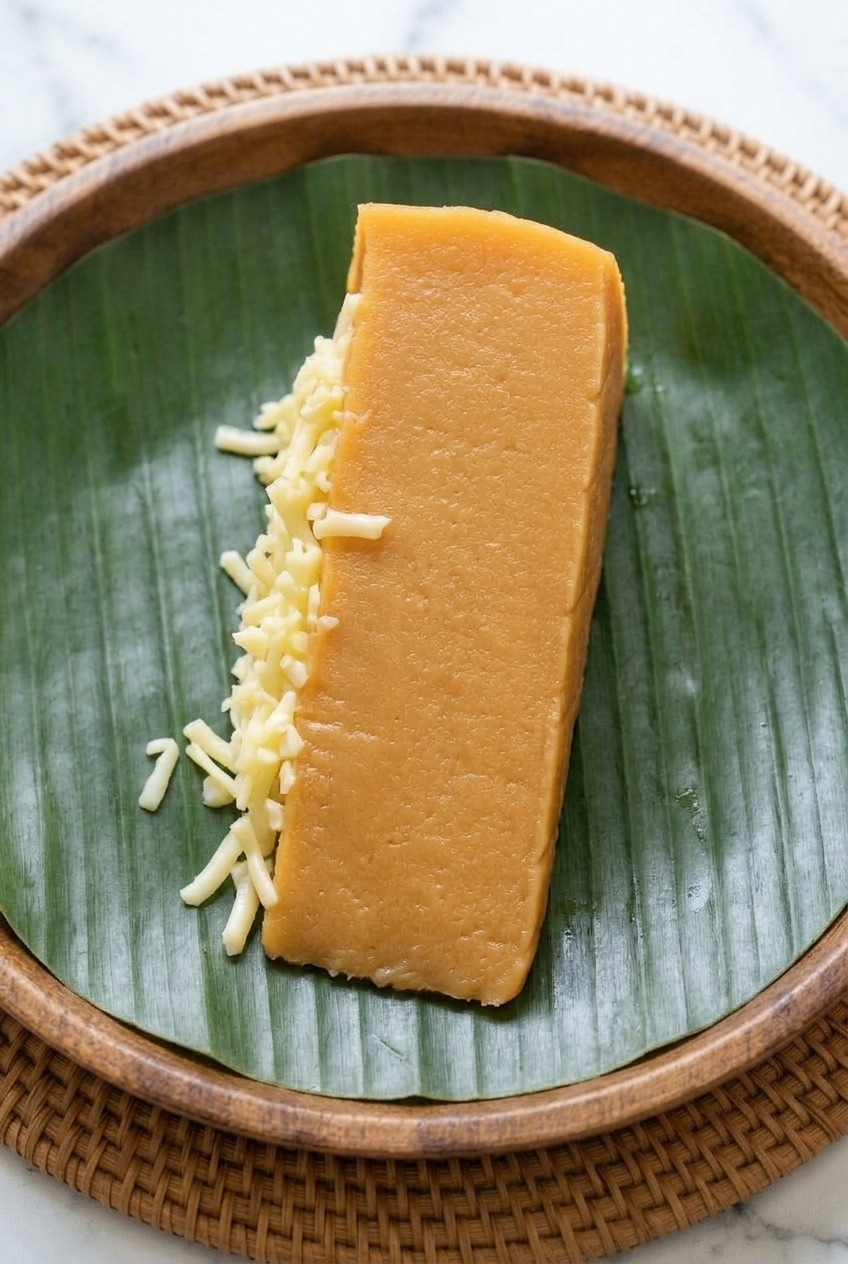
Chill at least 1 hour before serving so it firms up enough to cut cleanly.
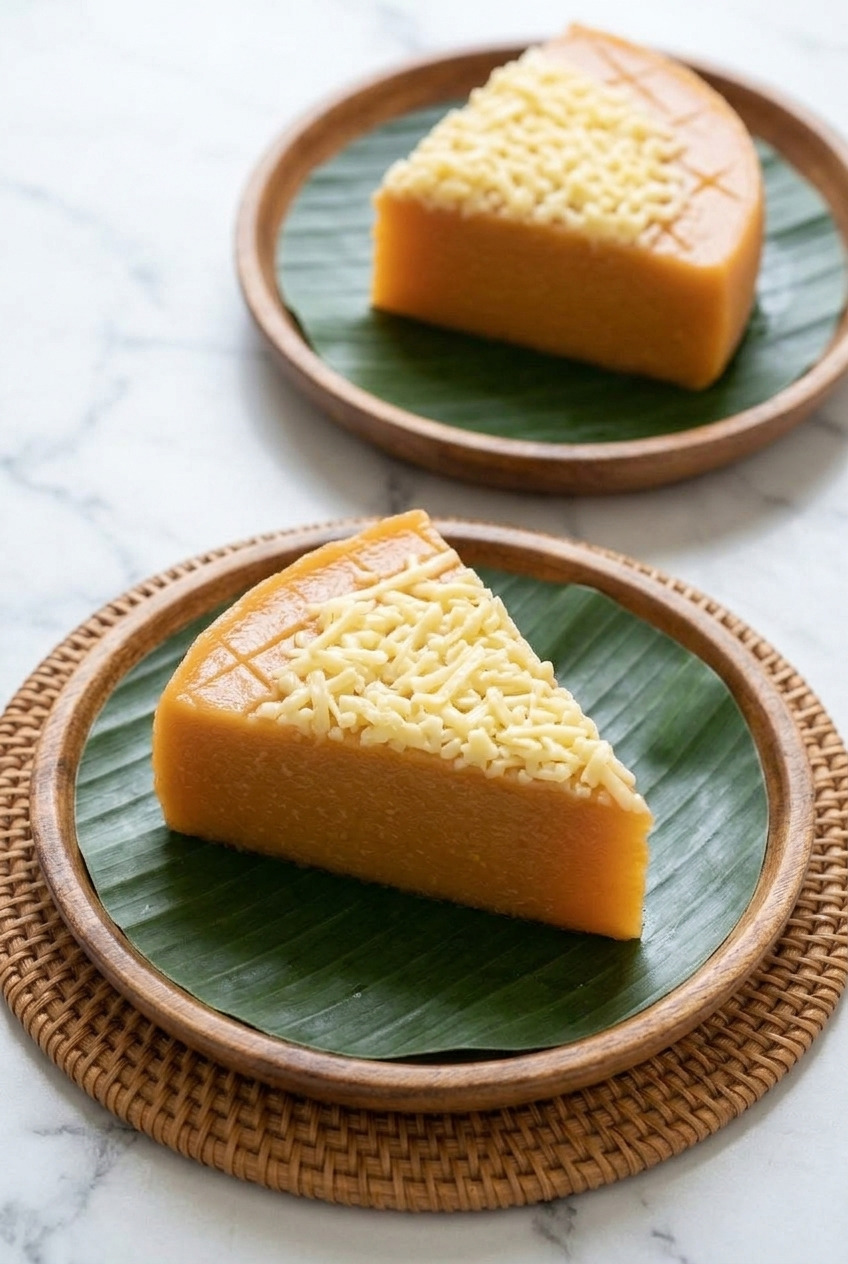
Cut into wedges or squares and serve cool.
Getting the Texture Right
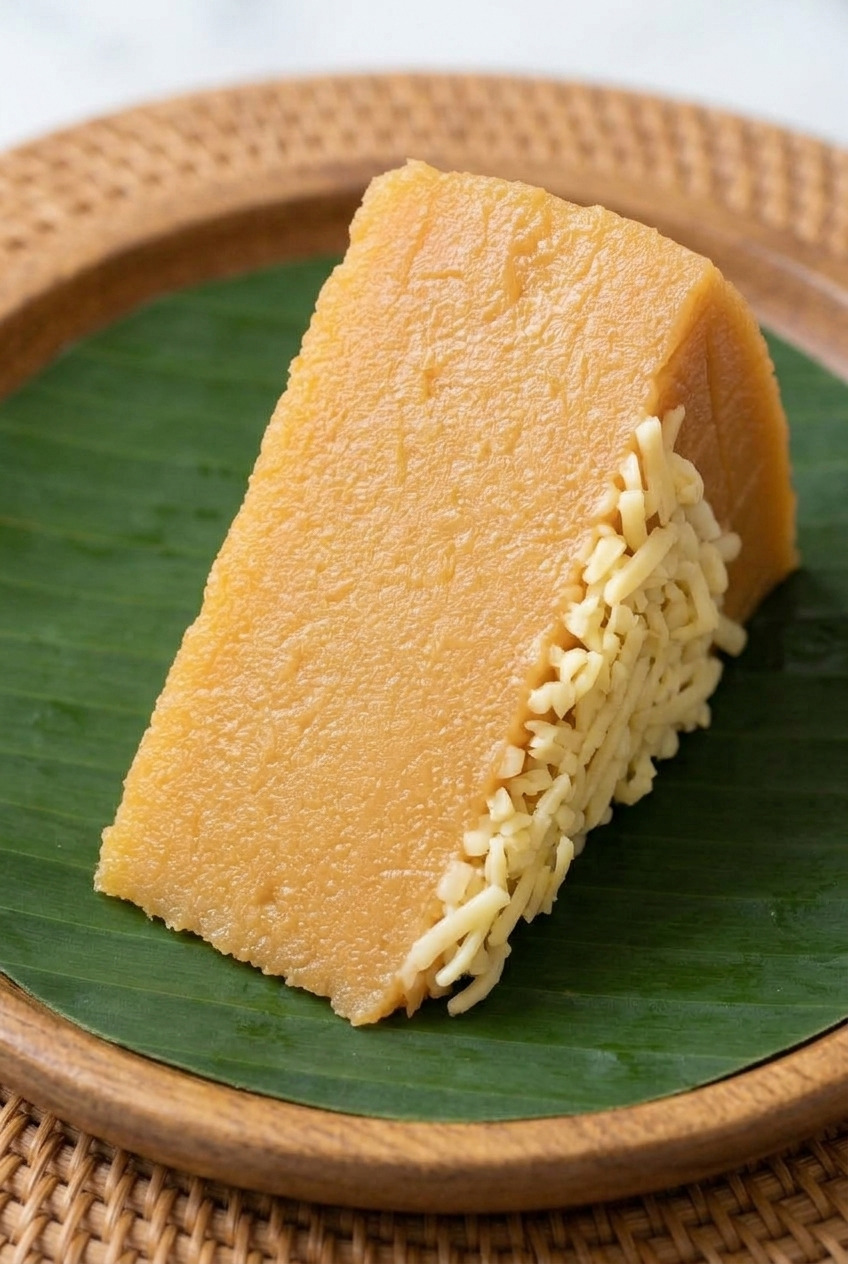
Nilupak should be dense, smooth and sliceable, never wet or sticky. Sweet potato holds more water than cassava, so this is the part to pay attention to.
- Steam, NEVER boil in lots of water. This is the single biggest lever. Boiled sweet potato carries water straight into the mash and no amount of mixing takes it out.
- Work it hot. Butter and condensed milk emulsify into hot mash and sit greasy on cool mash. Move quickly once the potatoes are done.
- Too loose? Spread it in a pan over low heat and stir for 3 to 4 minutes to drive off moisture, then reshape.
- Too stiff? Add coconut milk 1 tablespoon at a time. It happens with very dry sweet potatoes and it's an easy fix.
- Don't overwork it in a mixer. Sweet potato won't turn gluey as fast as regular potato, but it can. Stop as soon as it's uniform.
- Chill before cutting. An hour in the fridge is what turns a soft mound into clean wedges.
Toppings and Serving
The topping is half the point of nilupak. Salty over sweet, every time.
- Grated cheese. The standard. Processed cheese shredded thick over the top while it's warm.
- Extra butter. A little melted butter brushed over the surface right before serving makes it glossy and rich.
- Toasted grated coconut. Traditional in coconut-growing regions and a great alternative for anyone who wants it without cheese.
- Latik. Coconut curds fried from reduced coconut cream until golden. A serious upgrade if you have the patience.
- How it's eaten. As merienda, the Filipino afternoon snack, with coffee or hot chocolate. Room temperature or cool, cut into wedges, straight off the leaf.
Variations
This mash takes changes easily. These are the ones I've made and would make again.
- Half and half. Use 1 pound cassava and 1 pound sweet potato for a chewier version that sits between the two dishes. Boil the cassava separately since it takes much longer.
- Ube swirl. Fold ⅓ cup of ube halaya through at the end for purple ribbons and a deeper flavour.
- Purple sweet potato. Use purple-fleshed sweet potato for the whole batch. Same method, striking colour, slightly drier so add extra coconut milk.
- No cheese. Skip it and finish with toasted grated coconut instead. Common in provincial versions and completely legitimate.
- Individual portions. Press the mixture into small ramekins or a muffin tin lined with banana leaf squares for party servings.
- Coconut-forward. Push the coconut milk to ¾ cup and cut the condensed milk to ¾ cup for a less sweet, more fragrant version.
Storage
It keeps well and it is genuinely good cold. Plan on making it a day ahead.
- Refrigerator. Wrap the whole round tightly or store cut pieces airtight, up to 5 days.
- Serving from cold. Let it sit out 15 minutes so the butter softens. Straight from the fridge it's firmer than it should be.
- Freezer. Wrap in banana leaf, then plastic, then foil, up to 2 months. Thaw overnight in the fridge.
- Refreshing it. A fresh grating of cheese and a brush of melted butter brings a day-three batch right back.
- Make-ahead. Shape and chill it the night before a party, then top with cheese an hour before serving.
Nilupak Na Kamote FAQ
Is nilupak made with cassava or sweet potato?
Classically cassava. Nilupak na kamoteng kahoy, the cassava version, is what most Filipinos mean when they say nilupak with no qualifier. Nilupak na kamote, made with sweet potato, is a genuine and widespread variant with its own name, and it's what this recipe makes. Same method, softer and sweeter result.
What does nilupak mean?
Pounded. It comes from the Tagalog root lupak, and it describes the technique rather than the ingredient, which is exactly why the dish exists in cassava, sweet potato, plantain and breadfruit versions. The traditional tool is a wooden mortar called a lusong with a long heavy pestle.
Can I make nilupak without a mortar and pestle?
Absolutely. A sturdy potato masher takes about 4 minutes and gets you a very good texture. A stand mixer with the paddle attachment on low is faster still. The only rule is to work the potatoes while they're hot and to stop as soon as the mixture is smooth and uniform.
Why is my nilupak sticky or wet?
Too much water in the potatoes. Steaming instead of boiling fixes it permanently, because sweet potato absorbs boiling water and never gives it back. If you're stuck with a wet batch, spread it in a wide pan over low heat and stir for 3 to 4 minutes to cook the moisture off, then reshape and chill.
Do I have to use processed cheese?
It's the traditional choice and I'd use it. Filipino desserts lean on mild processed cheese because it's salty without being sharp and it softens instead of turning oily. Eden is the brand of choice in the Philippines, and Velveeta or mild American cheese behaves the same. If you only have cheddar, use a mild one and go lighter than you think.
How long does nilupak keep?
Up to 5 days in the fridge, wrapped tightly or stored airtight. It also freezes for 2 months if you wrap it in banana leaf, then plastic, then foil. Let refrigerated nilupak sit out for 15 minutes before serving so the butter softens and the flavour opens up.
Recipe
Nilupak Na Kamote (Filipino Mashed Sweet Potato)
Ingredients
For the Nilupak
- 2 pounds sweet potatoes kamote, peeled and cut into 2-inch chunks
- ½ cup unsalted butter softened, plus more for serving
- 1 cup sweetened condensed milk
- ½ cup coconut milk full fat, canned
- ½ teaspoon salt
To Finish
- 1 cup shredded processed cheese Eden, Velveeta or mild American style
- 2 banana leaves thawed if frozen, for lining and serving
Instructions
Cook and Pound
- Steam the peeled sweet potato chunks over boiling water for 20 to 25 minutes, until a knife slides in with no resistance. Steam rather than boil so the flesh does not take on water.
- While they are still hot, pound them in a mortar or mash them with a sturdy potato masher until completely smooth, about 4 minutes.
Mix
- Work the softened butter into the hot mash until it disappears completely.
- Add the sweetened condensed milk, coconut milk and salt, and keep working until the mixture is glossy and uniform with no streaks.
- Fold in half the shredded cheese and let the residual heat soften it into the mash.
Shape and Chill
- Line a plate or shallow tray with a wiped banana leaf. Turn the warm mixture out and press it into a low round about 1 ½ inches thick, smoothing the top.
- Cover the top with the remaining shredded cheese while the mash is still warm, and dot with a little extra butter.
- Chill at least 1 hour, then cut into wedges or squares and serve cool.
Notes
- Cassava is the classic: Nilupak is traditionally made with cassava. This is the kamote, sweet potato, variant.
- Steam, do not boil: Boiled sweet potato carries water into the mash and it will not hold its shape.
- Work it hot: Butter and condensed milk emulsify into hot mash and sit greasy on cool mash.
- Too loose: Stir in a wide pan over low heat 3 to 4 minutes to drive off moisture, then reshape.
- Cheese: Mild processed cheese is the traditional finish. Sharp cheddar overpowers the dish.
- Storage: Airtight in the fridge up to 5 days, or frozen up to 2 months wrapped in banana leaf, plastic and foil.
- Coconut option: Toasted grated coconut or latik instead of cheese for a provincial style finish.