A cook in Puebla once told me the secret to her sweet potato pudding was the thing everybody leaves out.
I assumed she meant cinnamon.
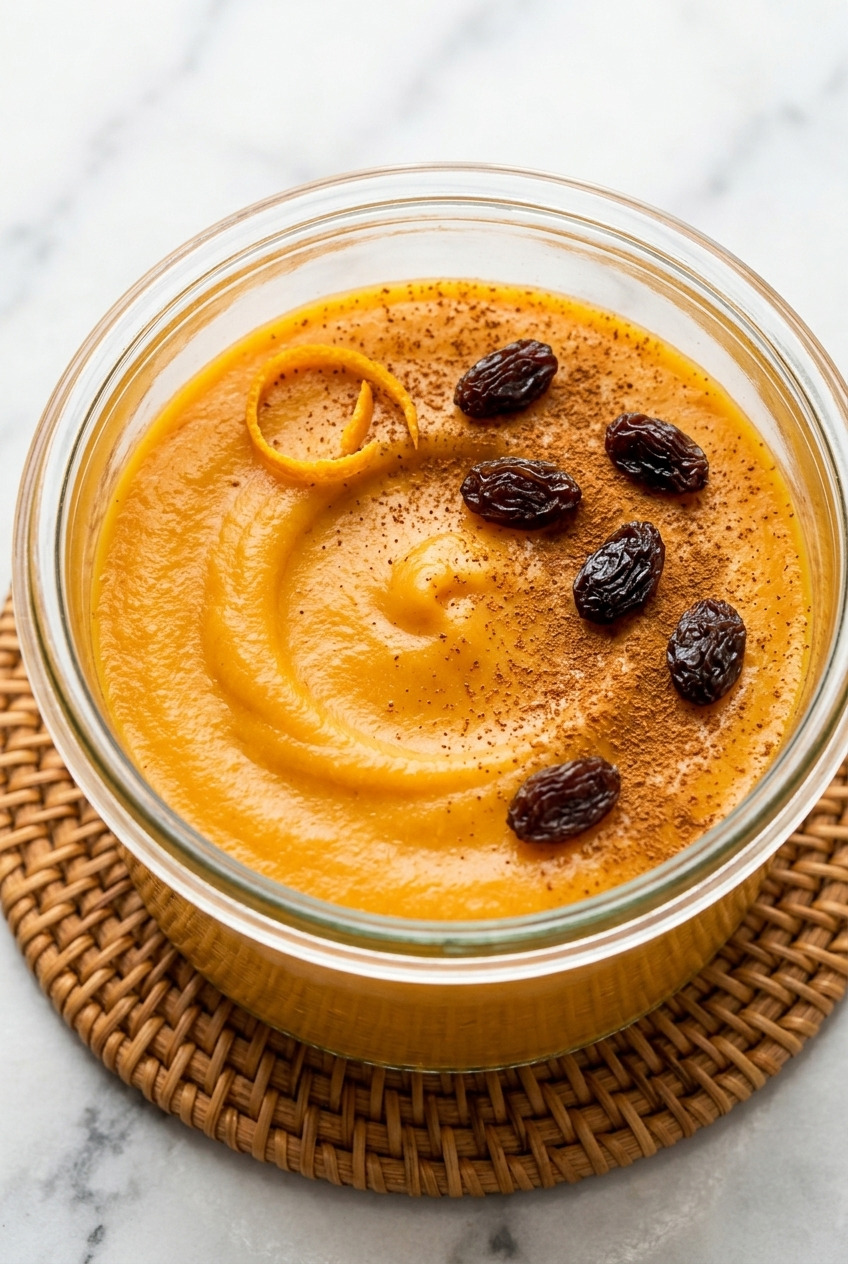
She meant orange zest.
She grated it in at the very end, off the heat, and stirred exactly twice.
The smell that came up out of that pot was nothing like a sweet potato dessert.
It was bright and almost floral, sitting on top of something warm and earthy underneath.
I've made this dessert dozens of times since and that one detail is still what people ask about.
Nobody ever guesses orange.
My wife thought it was a very expensive vanilla the first time.
What I love about this one is how restrained it is.
A third of a cup of sugar for the whole batch.
Enough butter and cream to make it silky, not enough to make it heavy.
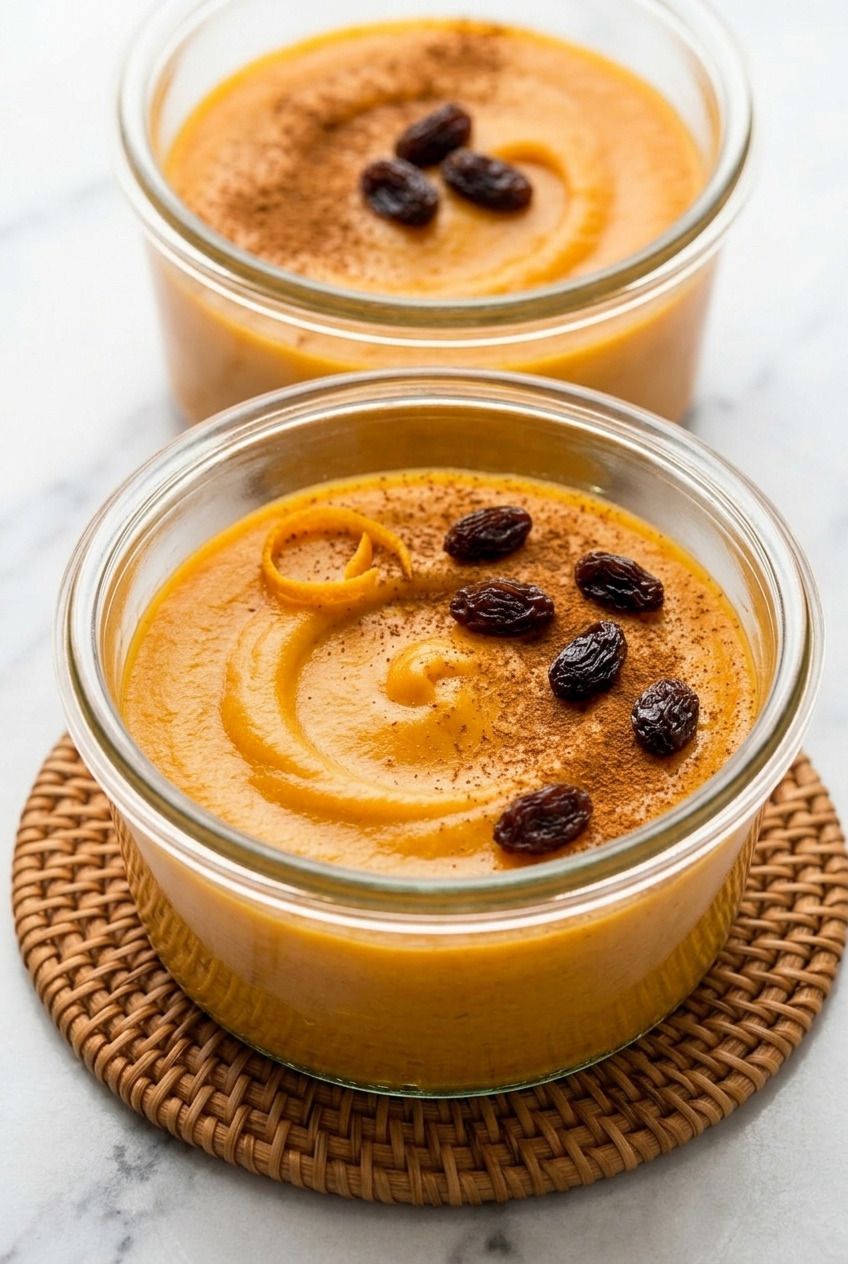
It's a small dessert, four modest portions, meant to be spooned out of little glasses after a big meal when nobody wants a slab of cake.
And the name confuses everyone, so let's clear it up right now: poblano here means from Puebla, the state.
There is no chile in this recipe.
Forty minutes, one pan, and a grater. That's the whole commitment!
What Is Dulce Poblano de Camote?
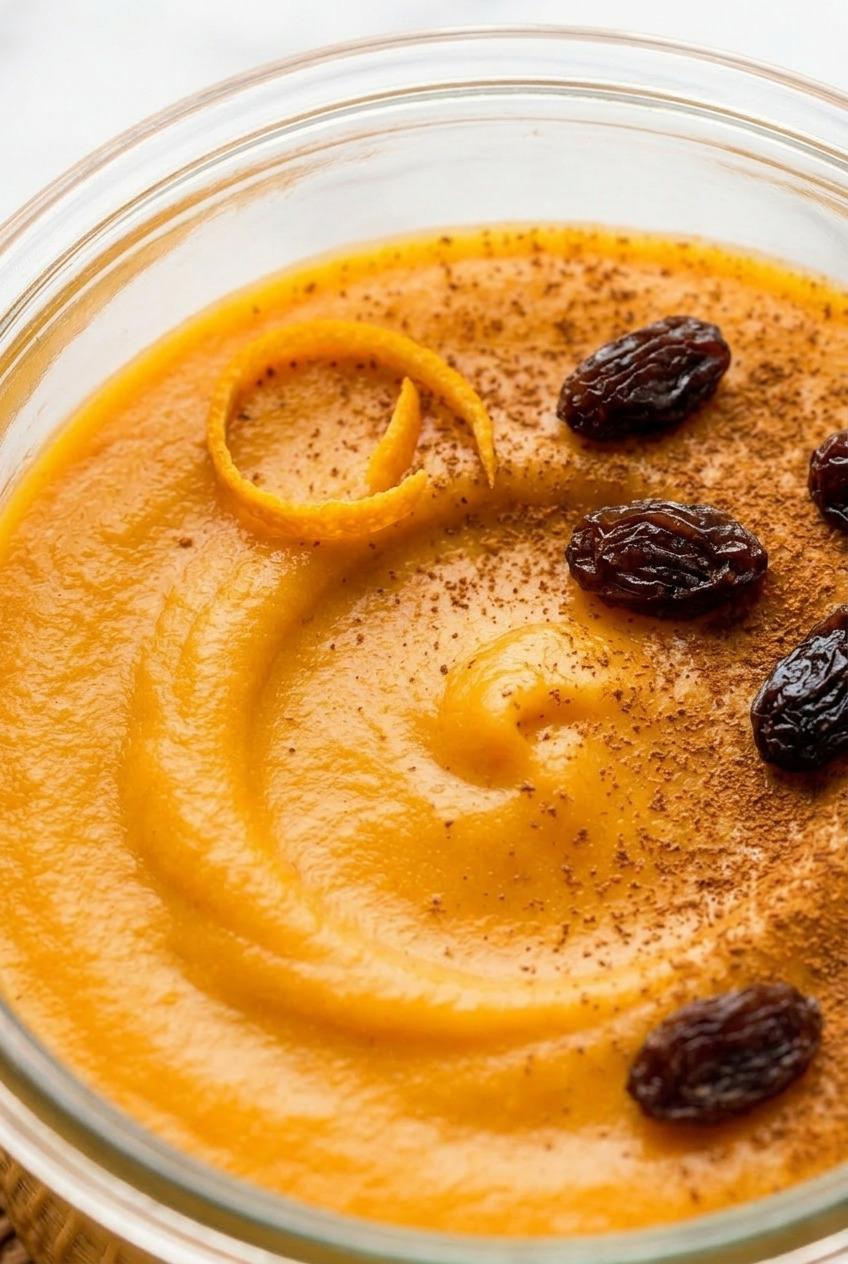
Dulce poblano de camote is a smooth, spoonable sweet potato pudding from the Mexican state of Puebla.
Cooked sweet potato gets pureed until silky, sweetened lightly, spiced with true Mexican canela, then enriched off the heat with butter and cream and finished with orange zest and plumped raisins.
The texture is the point.
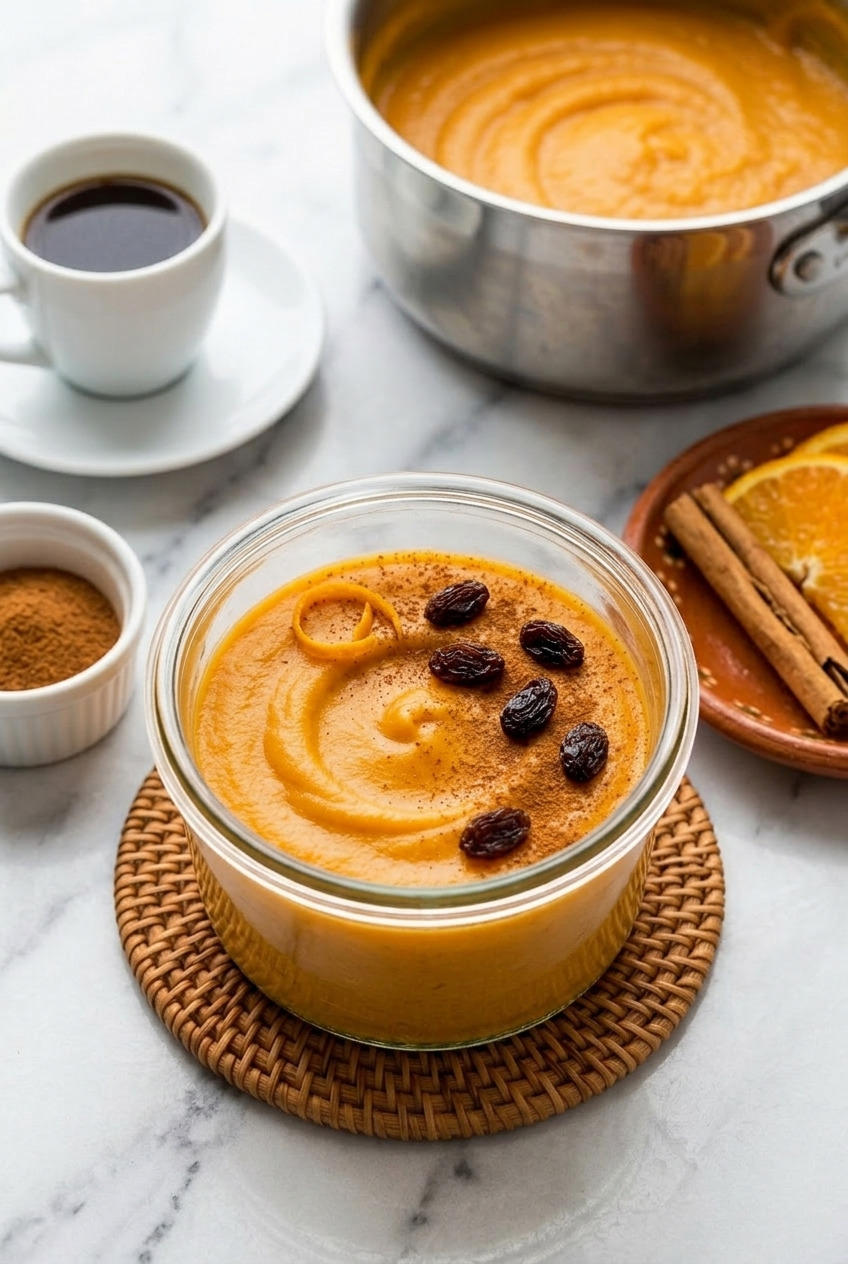
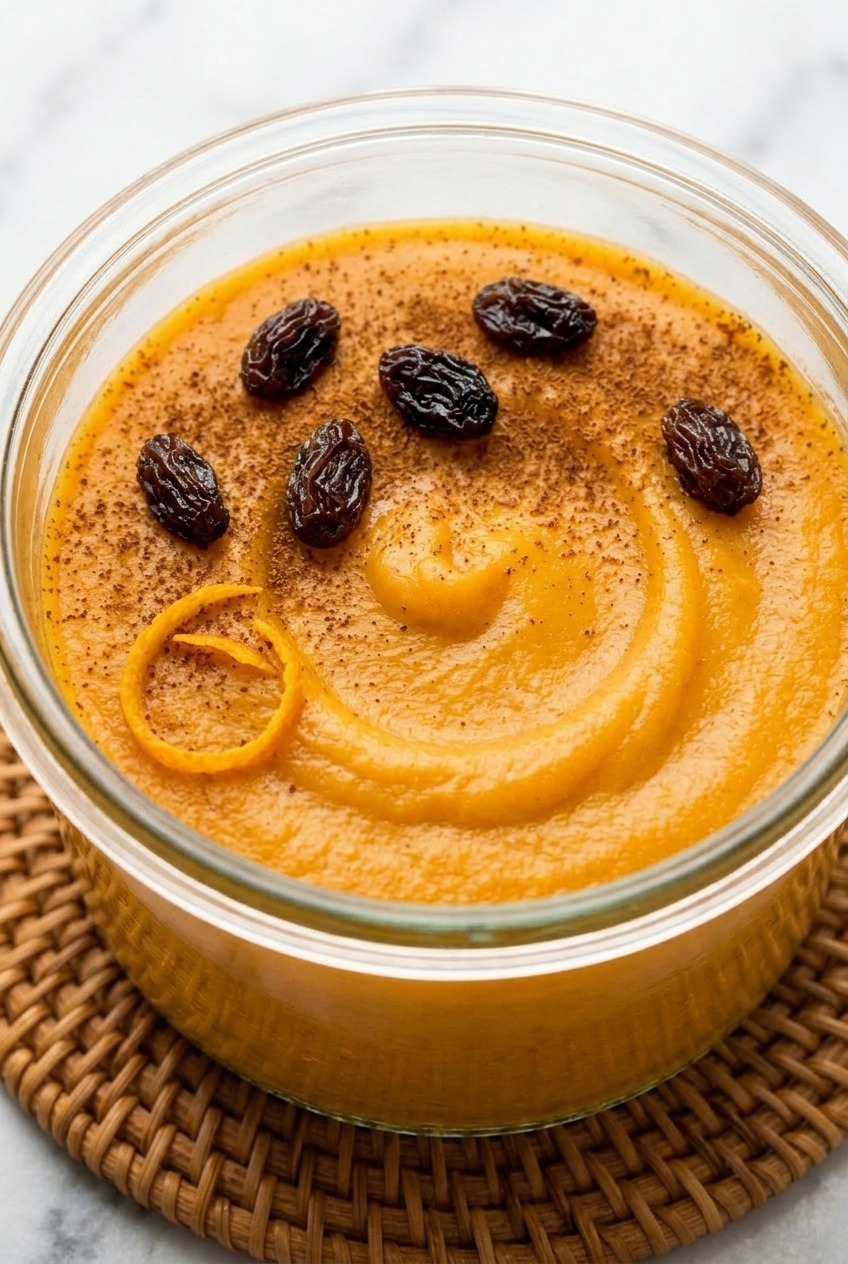
It should be soft enough to fall off a spoon in a slow ribbon, closer to a thick custard than to a mashed sweet potato side dish.
Puebla has a serious sweet potato tradition, most famously the hand rolled camote candies sold on the street.
This is the spoon version of the same regional obsession.
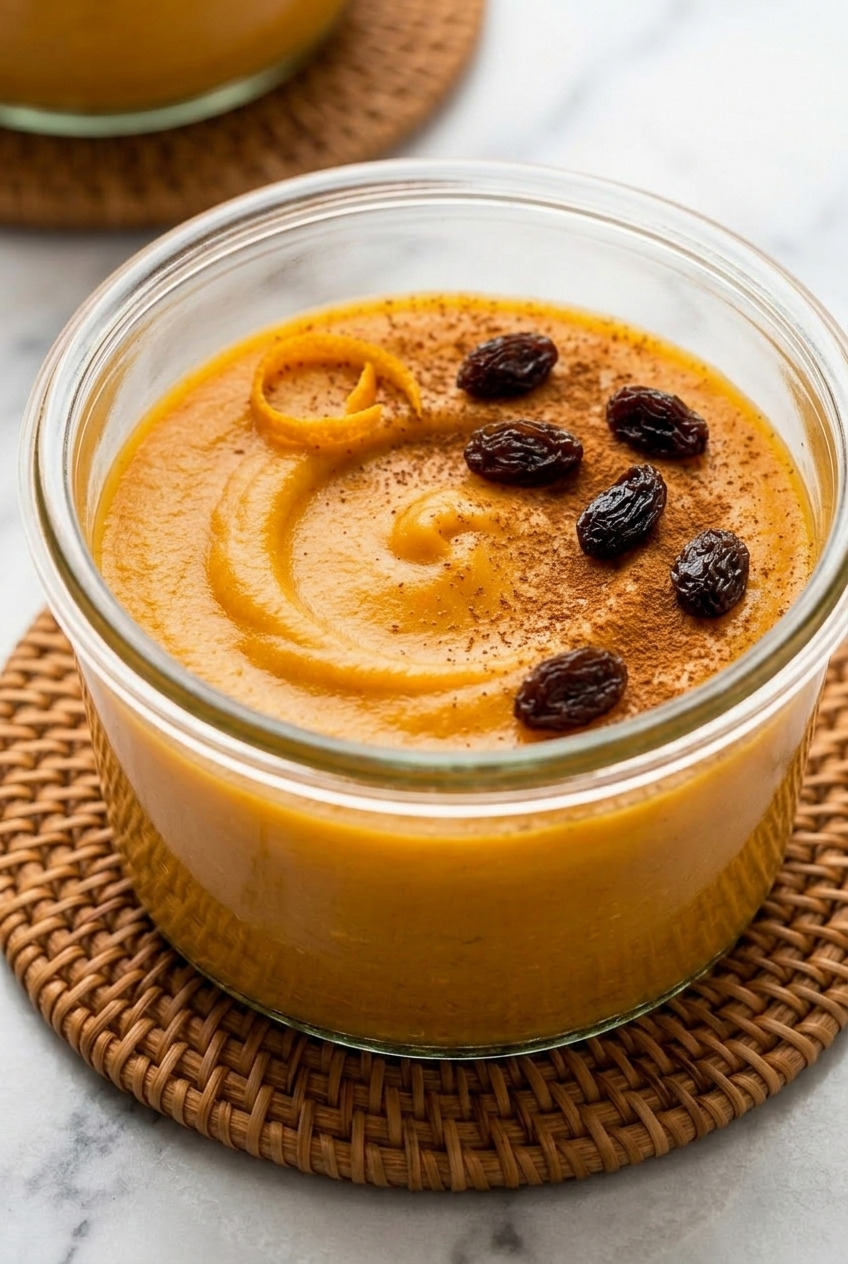
It gets served in small glasses or jars, warm or chilled, in portions that are deliberately modest.
Poblano Means From Puebla, Not Chile
Nine out of ten people hear poblano and think of the dark green chile.
Same word, different use.
Poblano simply means "from Puebla," and it attaches to plenty of things that have nothing to do with peppers, including this dessert and the famous mole poblano.
The chile got the name for the same reason: it comes from that region.
So there is no heat here, no roasting, no peeling of peppers.
Just a sweet potato dessert with a regional address.
Camote Versus Sweet Potato
Camote is the Spanish word for sweet potato, full stop.
The only real question is which variety you buy.
- White or cream fleshed camote. Drier and starchier, and it gives you a paler, more traditional looking pudding with a firmer body. Latin markets sell it as camote blanco or boniato.
- Orange fleshed sweet potato. Sweeter, wetter, and it gives a vivid orange pudding. Widely available and completely fine. You may need slightly less cream.
I use whichever one looks better at the store, honestly.
Just taste as you go, because the orange fleshed ones are noticeably sweeter and you may want less sugar.
Ingredients You Will Need
Nine items, and three of them are doing the heavy work. This is a short list where each thing is easy to taste, so quality shows.
- Sweet potato (12 ounces peeled, about 1 large). Bake or steam it. Boiling in water gives you a watery puree that you'll spend twenty minutes cooking back down.
- Granulated sugar (⅓ cup, plus 1 teaspoon). Deliberately restrained. Taste before you add more, because the sweet potato is already bringing sugar.
- Unsalted butter (2 tablespoons). Goes in off the heat. It gives the pudding its soft sheen and rounds out the edges.
- Heavy cream (¼ cup). This is what makes it a pudding rather than a paste. Also added off the heat, because cream hitting a screaming hot pan splits the texture and dulls the color.
- Orange zest (¾ teaspoon, finely grated). The signature note of this specific dessert and the reason it doesn't taste like every other Mexican sweet potato sweet. There's no good substitute, so don't skip it. Zest only, no white pith.
- Mexican cinnamon (1 teaspoon ground, or 1 canela stick). Soft flaky canela, not hard cassia. Cassia is harsh and it will trample the orange. Steeping a whole stick in the cream gives the cleanest flavor of all.
- Raisins (2 tablespoons). Traditional here. Plump them first in warm water or orange juice, otherwise they steal moisture from the pudding as it sits.
- Vanilla extract (½ teaspoon). My addition, and it bridges the butter and the citrus nicely.
- Salt (⅛ teaspoon). A third of a cup of sugar tastes flat without it.
How to Make Dulce Poblano de Camote
Step 1: Cook the Sweet Potato
Bake a whole sweet potato at 400°F for 45 to 55 minutes, or peel, cube and steam it for 20 minutes until a knife meets no resistance.
Do not boil it in water.
Water gets absorbed straight into the flesh and you'll fight it for the rest of the recipe.
You want about 12 ounces of cooked flesh.
Step 2: Puree Until Silky
Push the warm flesh through a fine mesh sieve or a ricer.
Then, if you want it truly glassy smooth, give it 15 seconds in a blender.
Fiber is the enemy in a pudding. One stringy thread on the spoon undoes the whole effect.
Step 3: Plump the Raisins
Cover the raisins with warm water or orange juice and leave them 15 minutes, then drain.
Plump raisins stay plump. Dry ones drink from the pudding overnight and leave it stiff.
Step 4: Cook the Puree With the Sugar and Canela
Put the puree, the sugar, the salt and the ground canela in a heavy saucepan over medium-low heat.
Stir steadily for 8 to 10 minutes.
The mass will loosen as the sugar melts, then thicken and go glossy.
If you're using a canela stick instead, warm it in the cream for 10 minutes and lift it out before the cream goes in.
Step 5: Finish Off the Heat
Pull the pan off the burner completely.
Stir in the butter until it disappears, then the cream, then the vanilla, then the drained raisins.
Last of all, the orange zest.
The zest goes in dead last for a reason: its oils cook off fast, and everything bright about this dessert lives in them.
Step 6: Portion and Chill, or Serve Warm
Spoon into 4 small glasses or jars.
Warm, it's loose and comforting. Chilled for 2 hours, it firms into something closer to a set custard.
I like it cold with a fresh dusting of canela.
Getting the Texture Right
Silky means it falls off a tipped spoon in a slow, unbroken ribbon and settles back into itself without leaving a ridge.
Remember that it thickens considerably as it cools, so aim for slightly looser than you want the finished dessert to be.
If it's stiff in the pan, add cream a tablespoon at a time off the heat until it slackens.
If it stiffened up overnight in the fridge, stir a splash of cream or whole milk into it and it comes right back.
Too loose is the easier problem to have.
Just return it to low heat and stir for a few minutes, then re-enrich it once it's off the burner again.
Common Mistakes
- Boiling the sweet potato. The number one error. Waterlogged flesh makes a thin pudding that no amount of cooking fixes cleanly. Bake or steam.
- Skipping the sieve. Sweet potato fiber is very noticeable in something this smooth. Four minutes of pushing saves the whole texture.
- Adding cream over high heat. It splits and turns the color muddy. Off the heat, always.
- Cooking the orange zest. Add it last, off the burner. Zest added early tastes like nothing at all.
- Over sweetening. Taste before adding more sugar. This dessert is supposed to be gentle, and orange fleshed sweet potatoes are already sweet.
- Using cassia instead of canela. Harsh, hot and one dimensional against the citrus. Real canela costs a couple of dollars more and it matters here.
Tips and Variations
- Steep the canela. Warm a whole stick in the cream for 10 minutes, then lift it out. Cleaner and rounder than ground.
- Toasted pecans. Swap the raisins for ¼ cup of chopped toasted pecans for crunch.
- A spoonful of rum. One tablespoon of dark rum off the heat, or soak the raisins in it.
- Dairy free. Full fat coconut milk for the cream and a good coconut oil for the butter. Slightly different, still excellent.
- Piloncillo version. Swap the sugar for ⅓ cup of grated piloncillo for a darker, more molasses flavored pudding. It buries the orange a little, so double the zest.
- Extra silky. Push the finished pudding through the sieve one more time before portioning. Restaurant trick, worth it for company.
How to Serve It
- In small glasses. Little jars or glasses, about ½ cup each. This is a rich dessert and a modest portion is the correct one.
- Dusted with canela. A fresh dusting right before serving wakes the whole thing up.
- With cafe de olla. Coffee simmered with piloncillo and canela is the natural partner.
- With Mexican hot chocolate. Especially in winter, and especially warm.
- On a Day of the Dead table. It sits beautifully next to pan de muerto and candied pumpkin.
- A strip of orange zest on top. Tells the eater what they're about to taste before the first spoonful.
Make Ahead and Storage
- Refrigerator. Up to 4 days, with plastic wrap pressed directly onto the surface. Without it, a skin forms as the starch dries out on top.
- Make ahead. It's genuinely better on day two once the canela and orange have settled into each other. Make it the night before a dinner.
- To loosen. Stir in a splash of cream or milk straight from the fridge and it returns to a ribbon.
- To rewarm. Gently, over low heat, stirring. It scorches easily because of the sugar.
- Do not freeze. The starch and cream separate on thawing and it comes back grainy and weepy.
Recipe
Dulce Poblano de Camote (Mexican Sweet Potato Pudding)
Ingredients
For the Pudding
- 12 ounces sweet potato peeled weight, about 1 large
- ⅓ cup plus 1 teaspoon granulated sugar
- 2 tablespoons unsalted butter
- ¼ cup heavy cream
- ¾ teaspoon orange zest finely grated, no white pith
- 1 teaspoon ground Mexican cinnamon (canela) or 1 canela stick
- 2 tablespoons raisins plumped in warm water or orange juice
- ½ teaspoon vanilla extract
- ⅛ teaspoon salt
Instructions
Cook and Puree
- Bake the sweet potato whole at 400 degrees F for 45 to 55 minutes, or peel, cube and steam it for 20 minutes until a knife meets no resistance. Do not boil it in water, the flesh absorbs it and the pudding turns thin.
- Push the warm flesh through a fine mesh sieve or a ricer, then blend for 15 seconds for a truly smooth puree. You want about 12 ounces of cooked flesh.
- Cover the raisins with warm water or orange juice and leave them 15 minutes, then drain.
Cook and Finish
- Put the puree, sugar, salt and ground canela in a heavy saucepan over medium-low heat and stir steadily for 8 to 10 minutes, until the mass loosens, then thickens and turns glossy. If using a canela stick, warm it in the cream for 10 minutes and lift it out first.
- Pull the pan off the heat completely. Stir in the butter until it disappears, then the cream, then the vanilla, then the drained raisins.
- Stir in the orange zest last of all, off the heat, so its oils stay bright.
- Spoon into 4 small glasses or jars. Serve warm and loose, or chill 2 hours for a firmer set custard texture. Dust with canela before serving.
Notes
- Bake or steam, never boil: Boiled flesh absorbs water and gives a thin pudding.
- Sieve the puree: Sweet potato fiber is very noticeable in a dessert this smooth.
- Cream goes in off the heat: Added over high heat it splits and dulls the color.
- Zest goes in last: Its oils cook off quickly and the orange is the signature note of this dish.
- Poblano means from Puebla: There is no chile in this recipe.
- Storage: Up to 4 days refrigerated with wrap pressed onto the surface. Do not freeze.