There's a small Korean cafe about twenty minutes from us with a chalkboard menu I couldn't read most of.
I pointed at something orange in a tall glass that the person ahead of me had ordered.

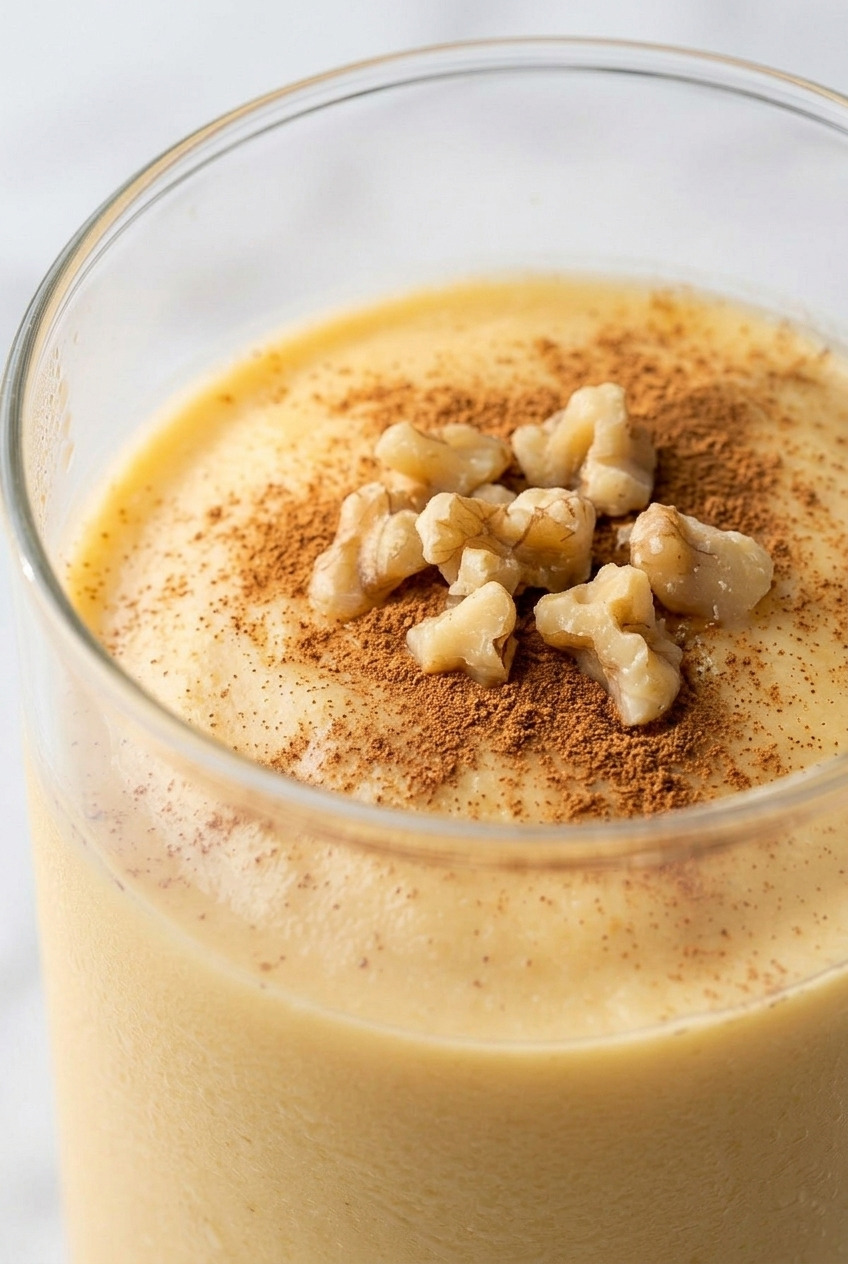
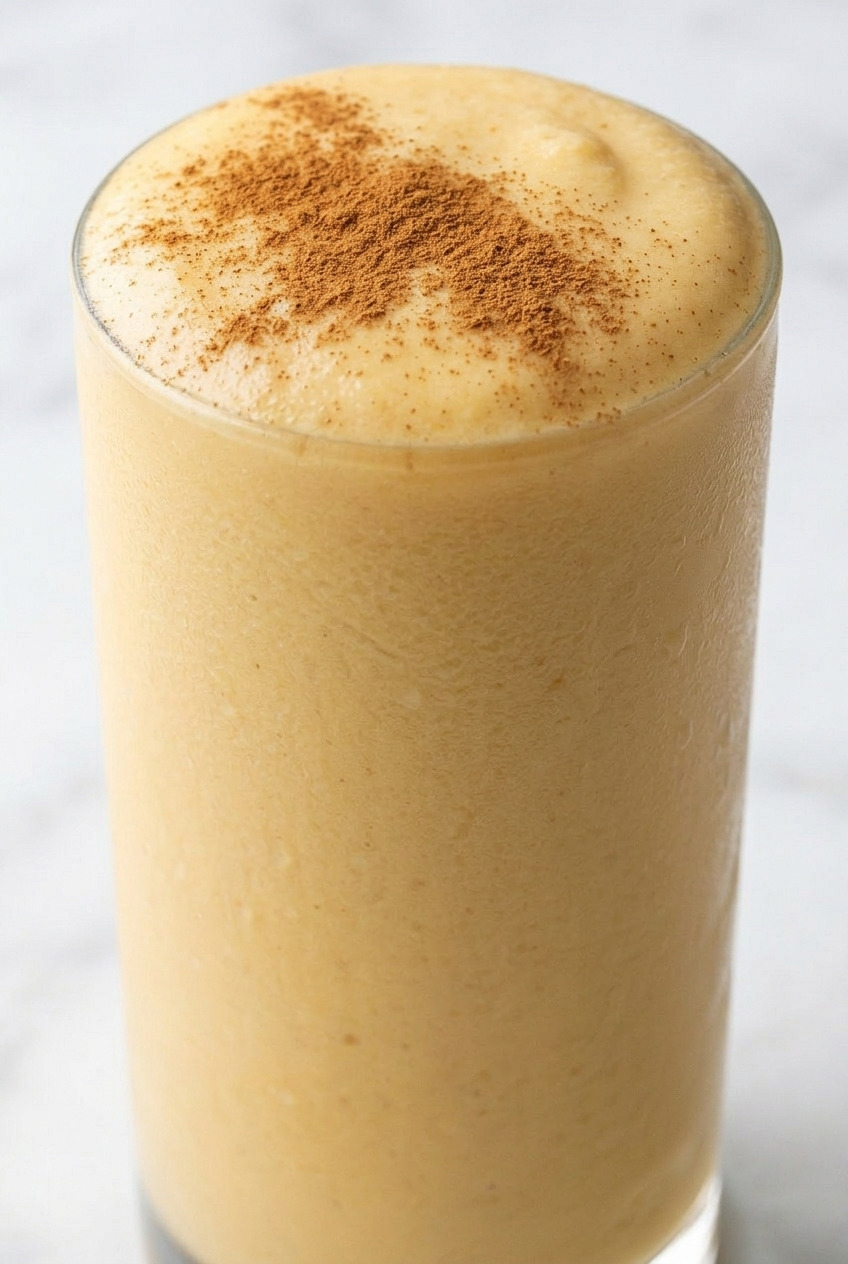
It came out thick enough that the straw stood at an angle instead of falling over, with a dusting of cinnamon on top.
My first thought was pumpkin. My second was that I had somehow ordered a milkshake at eleven in the morning.
Neither one. It was sweet potato and milk, and almost nothing else.
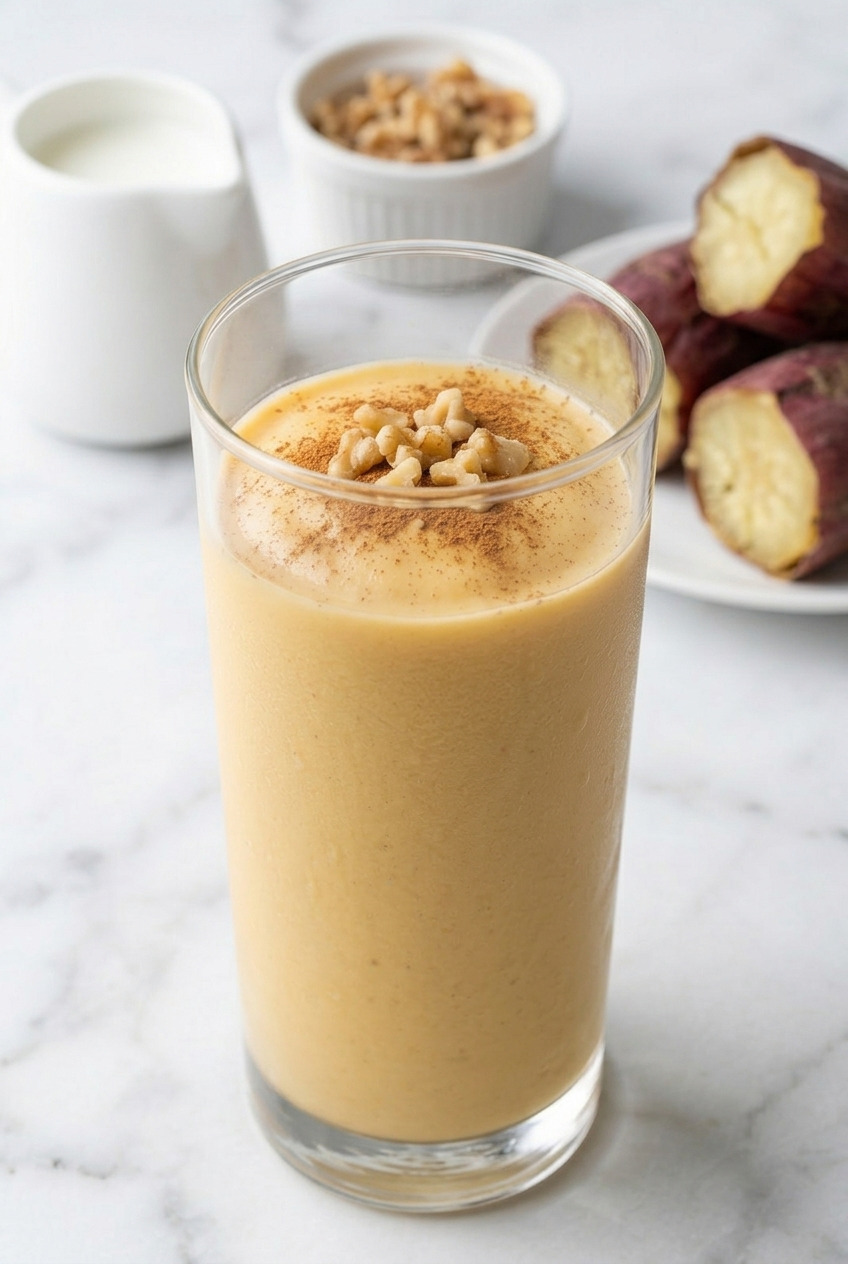
Goguma is the Korean sweet potato: purple skinned, pale yellow inside, dense and sweet like a chestnut.
Goguma latte is that sweet potato roasted, then blended with milk into a drink.
Despite the name, there's no coffee in it at all.
None. Zero caffeine.
I'll be straight with you about one more thing: this isn't some centuries old dish.
It's a modern Korean cafe drink, maybe twenty years old, and it's on menus everywhere in Seoul in the winter.
Once your sweet potato is roasted, the drink itself takes five minutes in a blender.
Thickness took me a few tries, because sweet potato firms up as it cools.
There's a ratio scale below that fixes that.
Hot in January, over ice in July. It works both ways.
What a Goguma Latte Actually Is
It's a blended sweet potato and milk drink from Korean cafe culture. Roasted goguma, warm milk, a little sugar, cinnamon on top. That's the whole thing.
The word latte here means milk, not espresso. Korean cafes use it the same way for sweet potato, black sesame, taro and green tea drinks.
So no, there's no caffeine in it. It's the drink people order at nine at night when they still want something warm.
You'll find it on menus at Compose Coffee, Ediya and most independent shops, hot from about October and iced through the summer.
What does it taste like? Roasted sweet potato, honestly. Nutty, mellow, faintly caramel, with the milk rounding it into something that drinks like a very light milkshake.
It is genuinely thick. Not smoothie thick, but thick enough that a thin coffee straw will fight you.
Goguma, and Why the Sweet Potato Matters
This is the one substitution that changes the drink completely. Korean sweet potato is not the same vegetable as the orange one in most American supermarkets.
- Goguma (Korean sweet potato). Purple to reddish skin, pale yellow or cream flesh. Dense, dry, starchy, sweet in a chestnut sort of way. Because it holds so little water, it blends into something rich instead of watery. Look for it at H Mart or any Korean grocer, usually just labeled Korean sweet potato.
- Japanese satsumaimo. Very close cousin, purple skin and cream flesh, slightly moister. An excellent substitute and often easier to find.
- American orange sweet potato (garnet, jewel). It works, and I've made it this way plenty of times. Be honest with yourself about the result though: it's wetter, more vegetal, and the color goes bright orange rather than pale gold. Use 25 percent less milk to compensate, and expect to add a little more sugar.
Are goguma and Japanese sweet potatoes the same? Not quite, but they're close enough that most people can't pick them apart in a blended drink.
Why You Will Love This One
- No coffee, no caffeine. Warm, sweet, and you can drink it at bedtime without consequences.
- Five minutes of active work. The oven does the slow part while you do something else.
- You control the thickness. The ratio scale below lets you dial it from sippable to spoonable.
- Hot or iced. Same base, two completely different drinks.
- Two real ingredients. Sweet potato and milk. Everything else is optional.
Ingredients
The whole drink rests on two things, so buy the best version of each. Everything after that is seasoning.
About the Ingredients
- Korean sweet potatoes (1 pound, about 2 medium). Roasted, not boiled. This is the single biggest quality lever in the recipe and I explain why in the next section.
- Whole milk (2 cups), warmed. Whole milk gives the body this drink wants. Oat milk is the best non dairy option by a wide margin because it's already creamy and mildly sweet. Soy works. Almond is too thin and lets the starchiness dominate.
- Sugar or honey (1 to 2 tablespoons). Always to taste. Goguma sweetness swings wildly depending on the potato and how long it was stored, so taste before you commit.
- Fine salt (⅛ teaspoon). Small thing, big effect. Without it the drink tastes flat and vaguely like baby food.
- Ground cinnamon (½ teaspoon), for topping. Every Korean cafe version I've had has it. Dust it on at the end, don't blend it in.
- Chopped walnuts or shaved almonds (2 tablespoons), optional. A common cafe garnish and it adds a nice bit of crunch against all that smoothness.
Optional Cheese Foam
This is the cafe upgrade, a lightly salted cream cheese foam floated on top. It sounds strange and it's excellent.
- Cream cheese (2 tablespoons), softened. Full fat, at room temperature or it won't whip smooth.
- Heavy cream (3 tablespoons). Cold.
- Milk (1 ½ tablespoons). Loosens it to a pourable foam.
- Sugar (½ tablespoon) and a pinch of salt. The salt is what makes it work against the sweet base.
How to Roast Goguma for a Latte
Roast it, and roast it slowly. This is the step that decides whether your drink tastes sweet and nutty or bland and starchy.
Sweet potato is full of an enzyme that converts starch into maltose, and it does that work in a fairly narrow temperature window on the way up to done.
A slow roast gives that enzyme a long time to work. A fast, hot roast blows past the window. And boiling leaches the sugars you just made straight into the water.
Heat the oven to 375°F. Scrub the sweet potatoes, poke each one a few times with a fork, and set them right on the rack with a sheet pan underneath.
Roast 45 to 60 minutes, until a knife goes through the thickest part with no resistance at all.
Pro tip: you want the sugars leaking. When you see dark syrup bubbling out of the fork holes and caramelizing on the skin, that's the signal.
Let them cool for 15 minutes, then split them and scoop the flesh out with a spoon. The skin comes away in one piece.
How to Make a Goguma Latte
Step 1: Warm the Milk
Heat 2 cups of milk until it's hot but nowhere near boiling, about 150°F.
Warm milk blends into warm sweet potato smoothly. Cold milk against warm sweet potato seizes into lumps.
Step 2: Blend
Put 1 cup of the scooped sweet potato flesh in the blender with about 1 ½ cups of the warm milk, the sugar and the salt.
Blend on medium for 30 to 45 seconds, until it's completely smooth.
Do NOT run it on high for two minutes. Over blending starch makes it gluey, and once it goes gluey there's no coming back.
Step 3: Adjust
Taste it, and check the consistency by lifting the blender lid and watching how it falls off the blade.
Add the rest of the milk a splash at a time until it's slightly looser than you actually want it.
Slightly looser, on purpose. Read the next section for why.
Step 4: Pour and Top
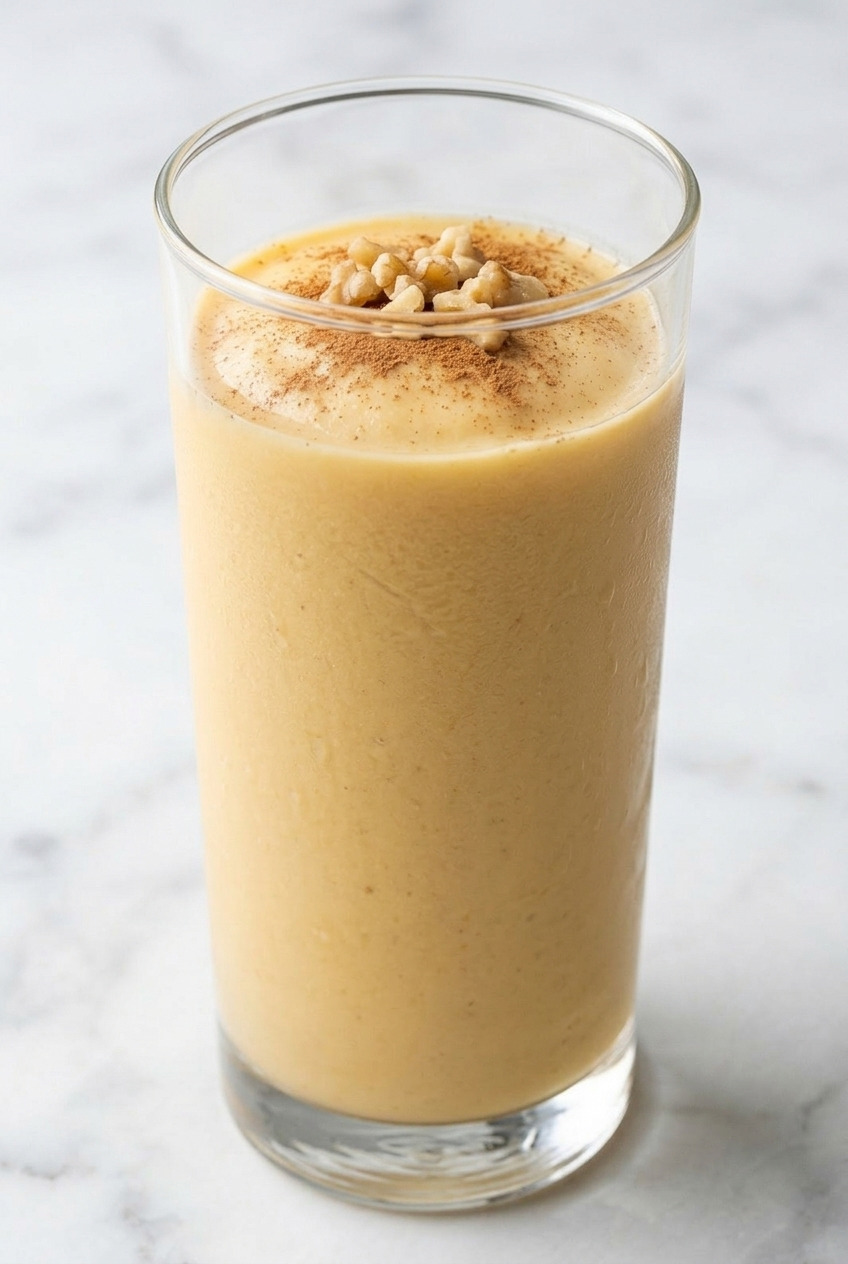
Pour into 2 tall glasses.
Dust the surface with cinnamon and scatter the chopped nuts if you're using them.
If you're doing cheese foam, whip the cream cheese, cream, milk, sugar and salt together until it's just thick enough to hold a soft ribbon, then float it on top.
Getting the Thickness Right
This is where the recipes online disagree with each other by more than double, and nobody tells you. Some run 2.5 parts milk to 1 part sweet potato. Others run 1 to 1 and produce something you eat with a spoon.
Both are legitimate. Pick the one you want:
- Cafe thin (2.5 to 1). Drinks easily through a normal straw. This is the standard hot latte in most Korean cafes.
- Standard (2 to 1). Coats the glass, needs a fat straw. My default and what this recipe is written to.
- Spoon thick (1 to 1). Nearly a dessert. Good in a bowl with nuts on top, and the version that photographs well.
Fair warning: sweet potato starch sets as it cools. A latte that's perfect straight out of the blender will be noticeably thicker by the time you've walked to the couch, and it'll be pudding in the fridge overnight.
Blend it one notch looser than you want to drink it. That's the whole trick.
Serving It Hot or Iced
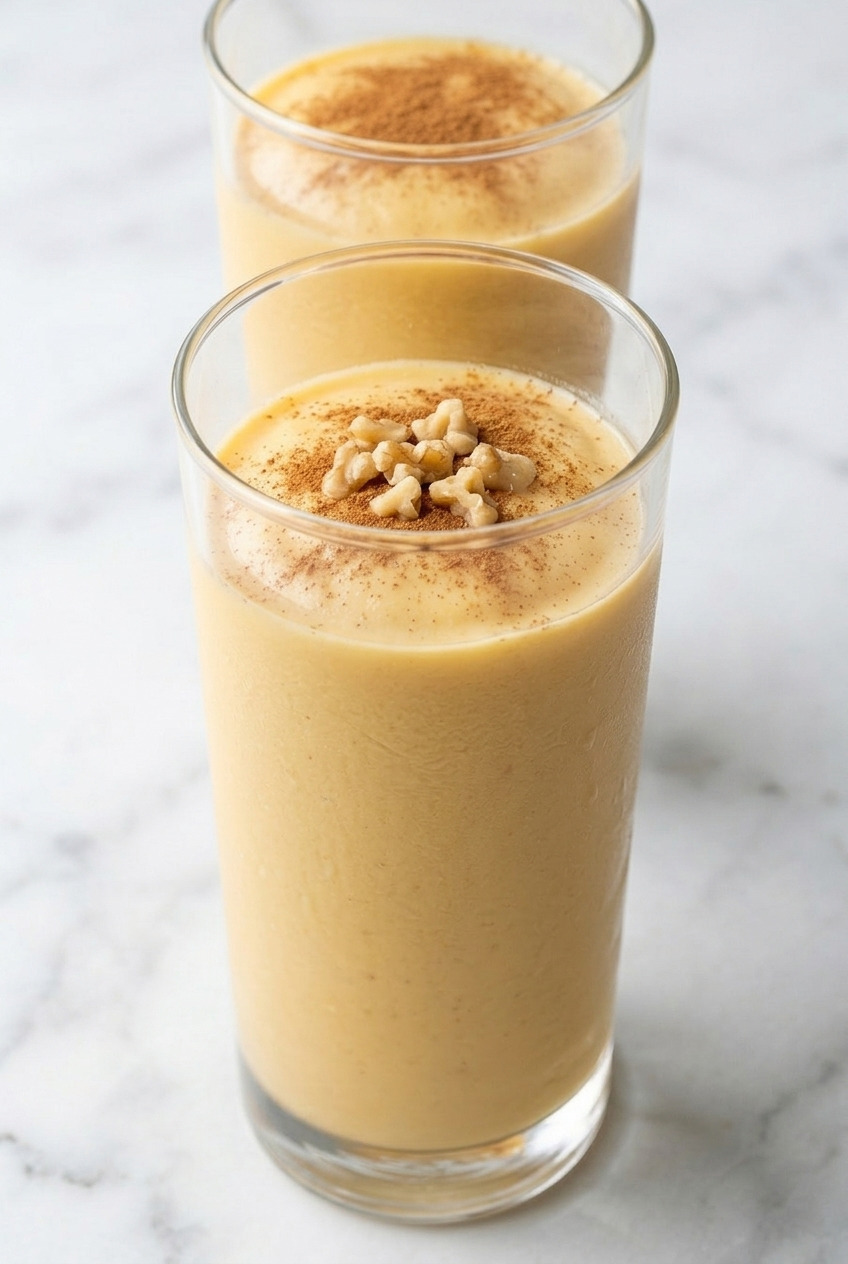
Hot is the default, and it's a winter drink in Korea. Serve it right after blending, in a tall glass, cinnamon on top.
Iced is just as popular from about May onward, and cafes all over Seoul sell it that way.
For iced, blend the base with cold milk instead of warm and add an extra ¼ cup, because cold thickens it further. Pour over a full glass of ice.
It pairs perfectly with anything nutty or lightly sweet. I like it with a piece of hotteok, or honestly with a plain croissant.
Substitutions
- Oat milk. The best dairy free swap. Creamy enough to carry the drink and its own sweetness means you can cut the sugar.
- Soy milk. Works well, slightly beanier, needs a touch more sugar.
- Almond milk. Thin. If it's what you have, drop to 1 ½ cups so the sweet potato does more of the work.
- Honey or maple syrup for the sugar. Both are good. Maple leans the whole drink more autumnal.
- No blender? Push the roasted flesh through a fine mesh sieve with the back of a spoon, then whisk the warm milk in a little at a time. It takes about 5 minutes and the texture is very close.
- Purple sweet potato. Makes a striking violet drink and tastes slightly more floral. Fun, and not what a Korean cafe would hand you.
Tips
- Use a wide straw. A standard coffee straw genuinely cannot handle this at the standard ratio.
- Blend in stages. Start with two thirds of the milk, then add. You can always thin it, you can't unthin it.
- Do not skip the salt. An eighth of a teaspoon is the difference between interesting and dull.
- Roast extra. Roasted goguma keeps 5 days in the fridge, so roast four at once and you've got lattes on demand all week.
- Cinnamon goes on top, not in. Blended in it turns the color muddy and the flavor muted.
- Taste before you sweeten. Some goguma need no sugar at all, especially ones that have been stored a while.
Storage
- Roasted sweet potato. Scoop the flesh, refrigerate airtight for 5 days, or freeze in 1 cup portions for 3 months.
- Blended latte base. Up to 3 days refrigerated. It will set thick and that's expected.
- Loosening it. Whisk in warm milk a splash at a time, or reblend for 10 seconds. Don't reblend longer than that.
- Reheating. Gentle heat on the stove, whisking. The microwave heats it unevenly and the hot spots go gluey.
- Cheese foam. Make it fresh. It weeps within a few hours.
Recipe
Goguma Latte (Korean Sweet Potato Milk Drink)
Ingredients
For the Latte
- 1 pound Korean sweet potatoes (goguma) about 2 medium, or Japanese satsumaimo
- 2 cups whole milk warmed to about 150F, plus more to thin
- 1 to 2 tablespoons sugar or honey to taste
- ⅛ teaspoon fine salt
- ½ teaspoon ground cinnamon for topping
- 2 tablespoons chopped walnuts or shaved almonds optional, for topping
Optional Cheese Foam
- 2 tablespoons cream cheese full fat, softened
- 3 tablespoons heavy cream cold
- 1 ½ tablespoons milk
- ½ tablespoon sugar
- 1 pinch salt
Instructions
Roast the Goguma
- Heat the oven to 375F. Scrub the sweet potatoes, poke each one several times with a fork, and set them directly on the oven rack with a sheet pan on the shelf below to catch drips.
- Roast 45 to 60 minutes, until a knife slides through the thickest part with no resistance and dark syrup is bubbling out of the fork holes. Roasting slowly at this temperature converts far more starch to sugar than a fast hot roast, and boiling would leach those sugars into the water.
- Cool 15 minutes, then split each sweet potato and scoop the flesh out with a spoon. You need about 1 cup of packed flesh.
Blend the Latte
- Warm the milk to about 150F, hot but not boiling. Warm milk blends smoothly into warm sweet potato, while cold milk causes lumps.
- Add 1 cup of the sweet potato flesh to a blender with 1 ½ cups of the warm milk, the sugar and the salt. Blend on medium for 30 to 45 seconds until completely smooth. Do not blend on high for longer, as over blending the starch turns the drink gluey.
- Taste and adjust the sweetness, then add the remaining milk a splash at a time until the latte is slightly looser than you want to drink it. It thickens as it cools.
Serve
- Pour into 2 tall glasses. Dust the surface with ground cinnamon and scatter over the chopped nuts if using.
- For the optional cheese foam, whip the cream cheese, heavy cream, milk, sugar and salt together until just thick enough to hold a soft ribbon, then float it on top of each glass.
- For an iced latte, blend with cold milk instead of warm and add an extra ¼ cup, then pour over a full glass of ice.
Notes
- No coffee: despite the name there is no espresso or caffeine in a goguma latte. Latte here refers to the milk.
- Thickness scale: 2.5 parts milk to 1 part sweet potato is cafe thin, 2 to 1 is standard and what this recipe uses, 1 to 1 is nearly spoonable.
- Blend it looser than you want it. Sweet potato starch sets as it cools, so the drink thickens between the blender and the table.
- Sweet potato swap: Japanese satsumaimo is the closest substitute. American orange sweet potato works but is wetter and more vegetal, so use about 25 percent less milk.
- Milk swap: oat milk is the best dairy free option. Almond is too thin unless you cut it to 1 ½ cups.
- Make ahead: roasted flesh keeps 5 days refrigerated or 3 months frozen in 1 cup portions.