There is a Jamaican saying about this dessert that I have never been able to forget.
Hell a top, hell a bottom, hallelujah in the middle.
It comes from the coal pot, the way it was cooked for generations before anybody had an oven.
Hot coals went underneath the pot, and more coals went on the lid.
Fire above, fire below, and something soft and spiced in between.
I first ate this at a neighbor's Sunday table, after the rice and peas, on a plate I hadn't asked for.
Miss Pat cut me a square and told me the saying before she told me the ingredients.
I was expecting something like an American pudding, loose and spoonable.
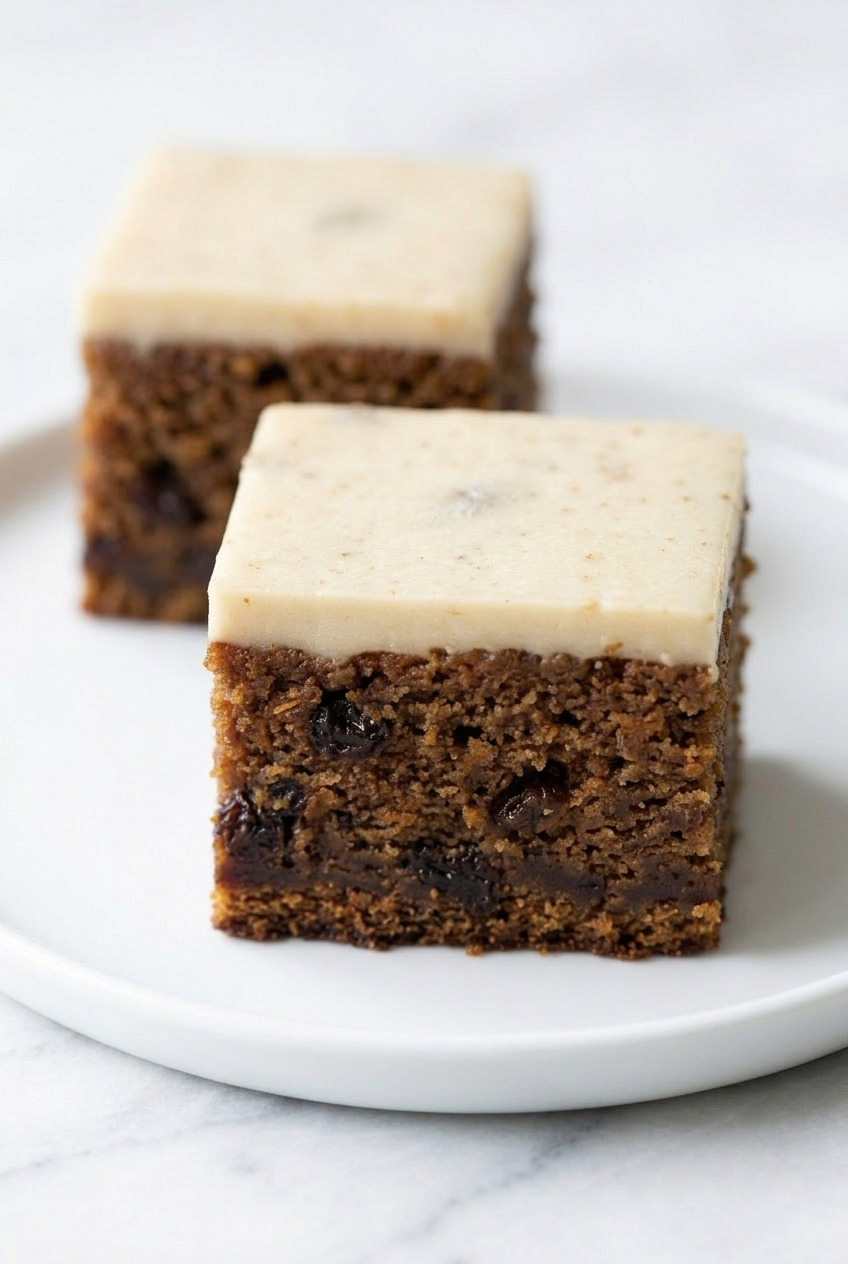
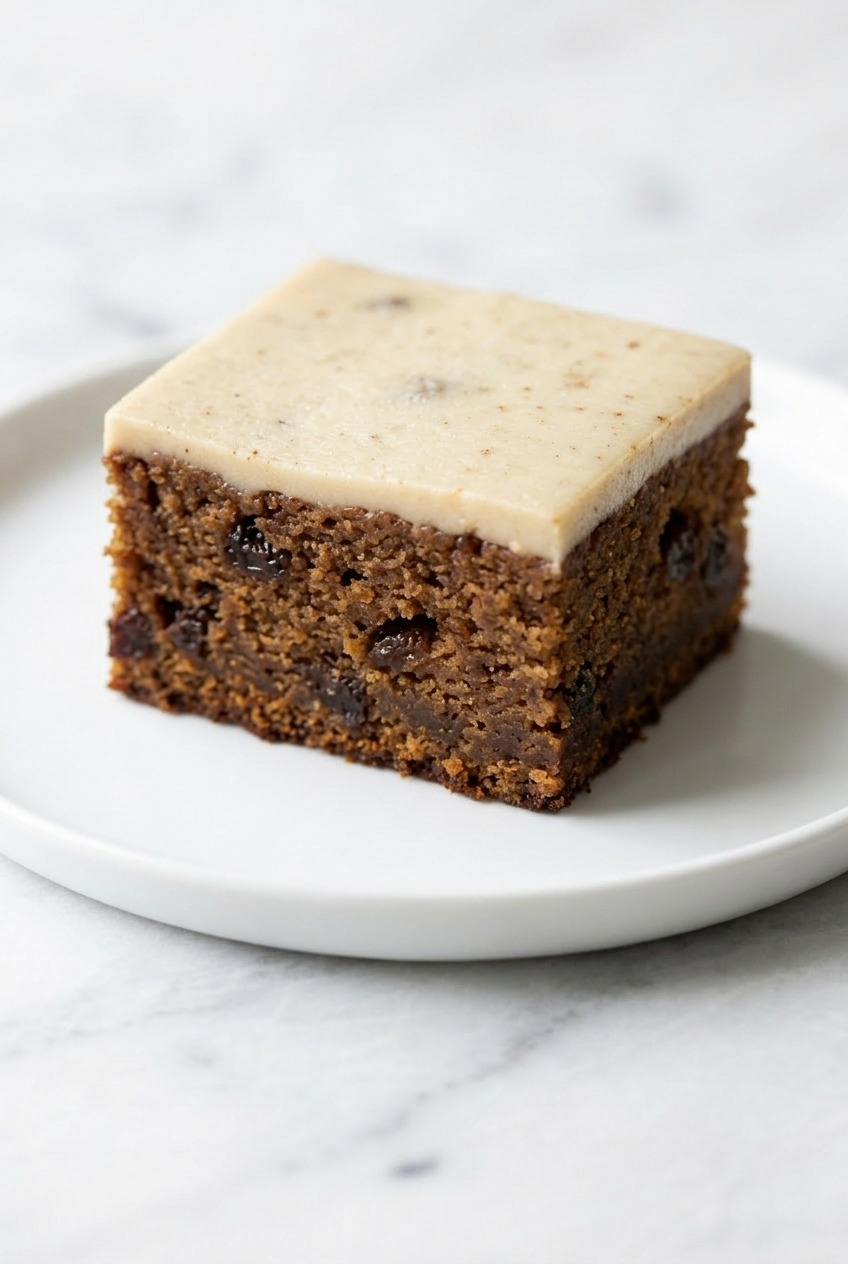
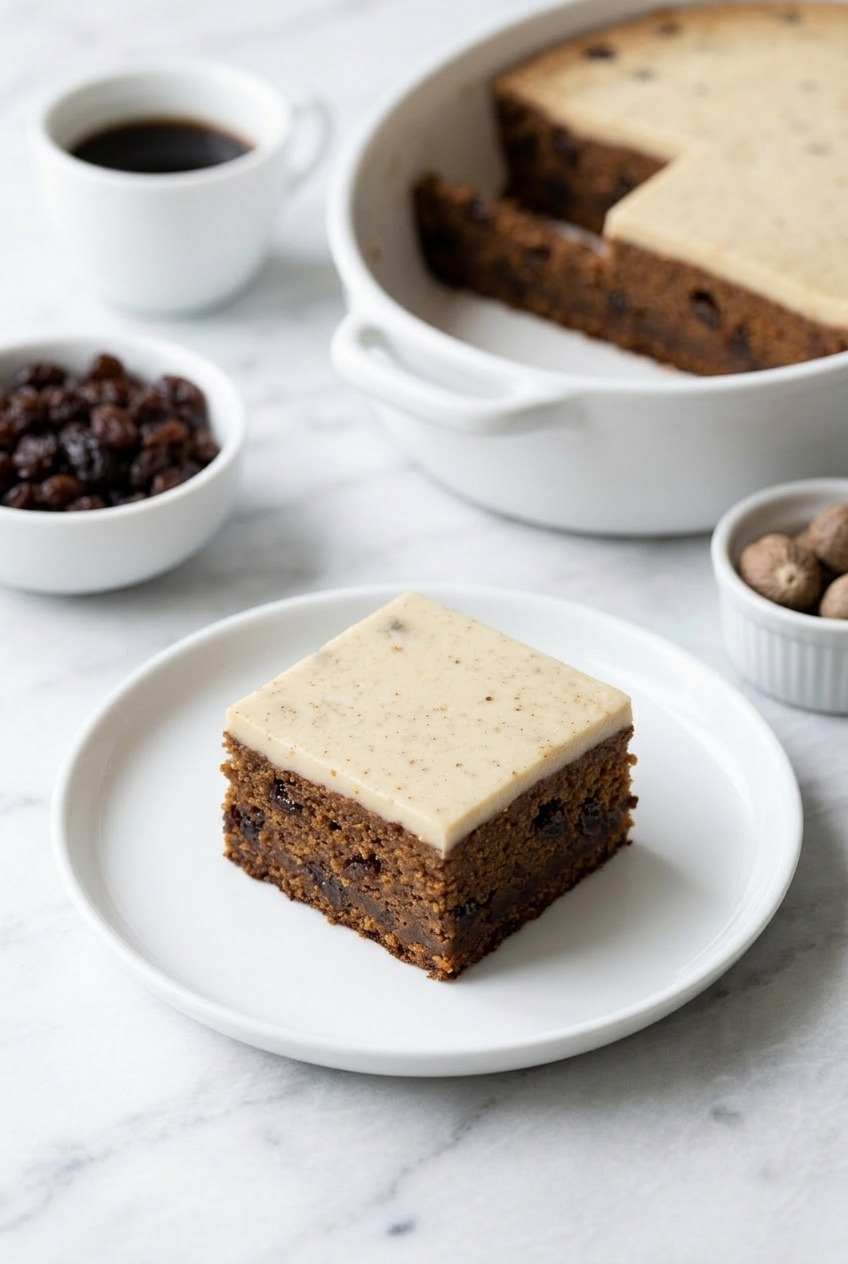
What I got was dense and sliceable, dark as gingerbread, with a soft custardy skin on top and a whisper of coconut through the whole thing.
I have been chasing that square for six years.
The version below is where I landed after a lot of grating and a few undercooked middles.
It bakes low and slow, and it asks you to be patient twice, once for the oven and once while it cools.
My wife thinks it is better on the second day, and honestly she is right.
Make it on a Saturday, eat it on a Sunday, and it will taste like it was always meant to be eaten that way.
What Is Jamaican Sweet Potato Pudding?
Jamaican sweet potato pudding is a dense baked dessert of finely grated sweet potato, coconut milk, cornmeal and warm spices. It is a fixture of Sunday dinner and of Jamaican bakeries and roadside stalls.
The word pudding is doing British work here, not American work.
This is not a cup of something soft. It is closer to a baked bread pudding or a very dense spiced custard cake, and it slices into neat squares.
The flavor is coconut, brown sugar, and a serious amount of freshly grated nutmeg, which is the spice Jamaicans reach for first.
The color is deep mahogany, and that comes from browning sauce, not from the potato.
Hell a Top, Hell a Bottom, Hallelujah in the Middle
That saying describes both the cooking method and the finished pudding. It is the best short description of a dessert I have ever heard.
The traditional method used a Dutch pot set over coals, with more coals piled on the iron lid.
Heat came from both directions at once, which is the only way to bake something in a yard with no oven.
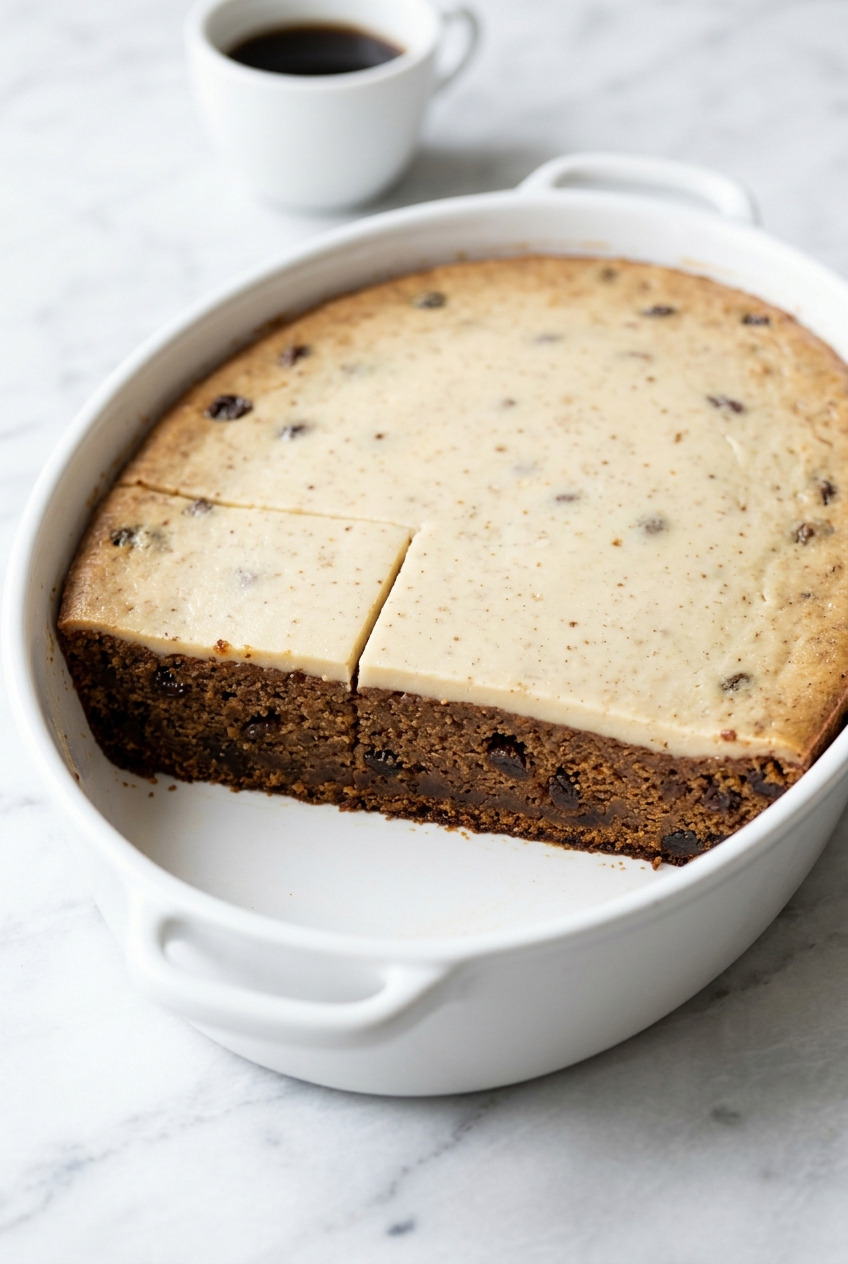
The result had three distinct zones, and a good modern version still does:
- Hell a bottom. A firm, slightly chewy, deeply caramelized base where the batter met the hot pot.
- Hallelujah in the middle. Dense, moist, spiced, the texture of a very tight bread pudding. This is the part people fight over.
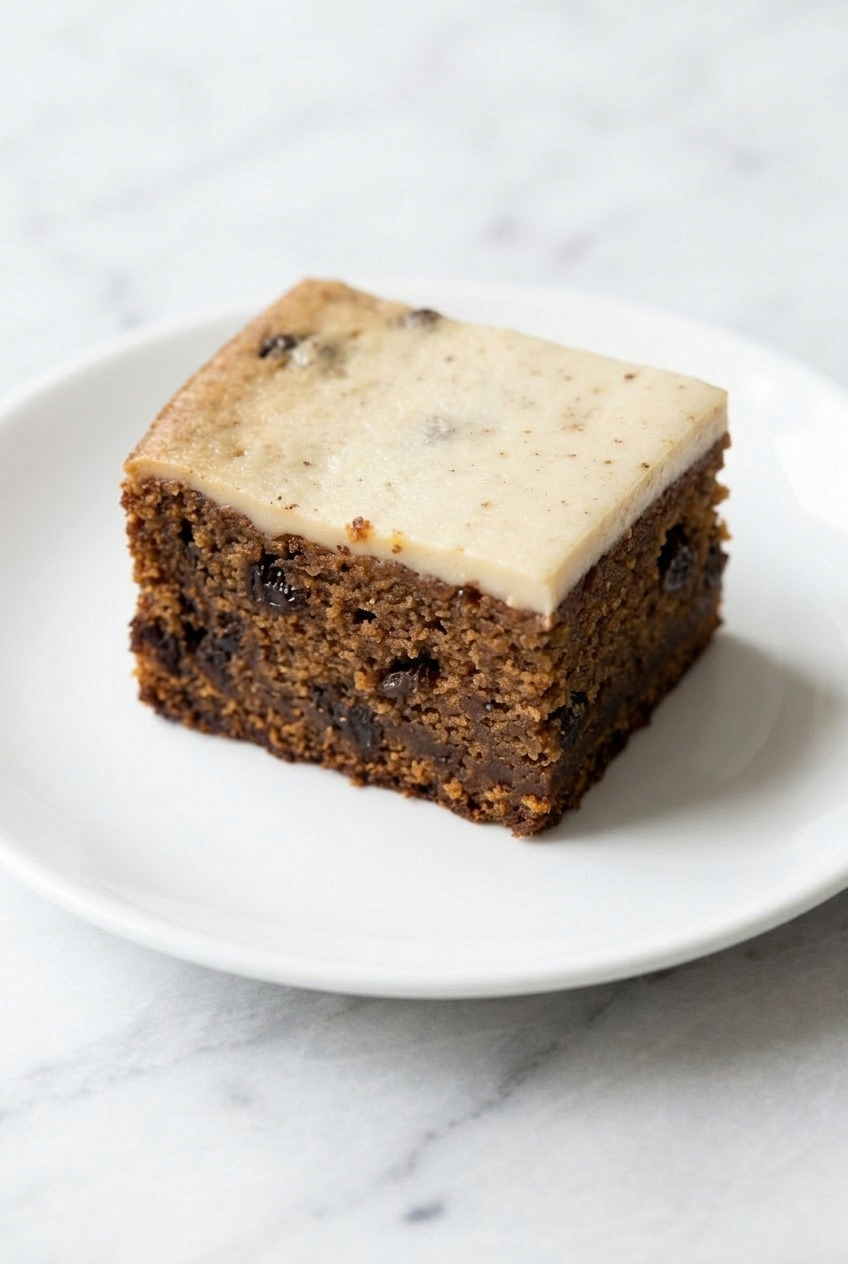
- Hell a top. A soft custard layer poured on partway through baking, which sets into a pale, tender skin over the dark middle.
In a home oven you get the same three layers by baking in a deep dish at a moderate temperature and adding the coconut milk top about two thirds of the way through.
Which Sweet Potato to Use
The authentic choice is the Jamaican sweet potato, sometimes sold as boniato or batata. Rough reddish skin, white to pale cream flesh, dry and starchy rather than sugary.
That dryness is the whole reason the pudding sets firm enough to slice.
Look for it at Caribbean, Latin, and West Indian markets, usually loose in a bin near the yams.
If you can only find the orange American sweet potato, the recipe still works. It is wetter and considerably sweeter, so drop the sugar to ¾ cup, add 2 extra tablespoons of cornmeal, and give it an extra 10 to 15 minutes in the oven.
Expect a softer set and a brighter orange middle under the custard top.
About the yellow yam. Plenty of Jamaican cooks grate in a piece of yellow yam alongside the sweet potato, and it adds a lovely stickiness. It is genuinely traditional and genuinely optional.
Ingredients You Will Need
- Sweet potatoes (2 lb). Peeled and grated on the fine side of a box grater. Not boiled, not mashed. Raw and fine is what makes the texture.
- Yellow yam (½ lb, optional). Grated the same way. Adds body and a traditional stickiness.
- Fine cornmeal (½ cup). The structural backbone. Without it the pudding never sets properly.
- All purpose flour (½ cup). Works with the cornmeal to bind everything.
- Dark brown sugar (1 cup, packed). Molasses depth, not just sweetness.
- Full fat coconut milk (14 oz can). NEVER use light coconut milk here. The fat is what makes it rich instead of gummy.
- Unsalted butter (4 tablespoons, melted). Real butter. This is not a vegan recipe and it is better for it.
- Freshly grated nutmeg (1 teaspoon). The signature spice. Grate it yourself, the pre ground jar is a different flavor entirely.
- Ground cinnamon (1 teaspoon). Backup to the nutmeg, never the lead.
- Vanilla extract (1 teaspoon). Rounds off the spice.
- Browning sauce (1 tablespoon). Burnt sugar caramel, sold bottled as browning. This is where the mahogany color comes from.
- Fine salt (½ teaspoon). Keeps the sugar from flattening out.
- Raisins (½ cup, optional). Traditional in many households. Soak them in warm water for 10 minutes first.
- For the top: coconut milk (½ cup), brown sugar (2 tablespoons), cinnamon (⅛ teaspoon). Whisked together and poured on late.
How to Make It
Step 1: Grate the Sweet Potato
Peel the sweet potatoes and grate them on the fine holes of a box grater into a large bowl.
This takes a while and there is no shortcut worth taking. A food processor shreds too coarsely and the pudding comes out stringy.
Fair warning: the grated potato will start to darken almost immediately. That is normal, and the browning sauce hides it anyway.
Step 2: Mix the Batter
Add the cornmeal, flour, brown sugar, nutmeg, cinnamon, and salt to the grated potato and stir them through.
Pour in the coconut milk, melted butter, vanilla, and browning sauce.
Stir until it is uniform and slack, somewhere between a thick batter and a wet mash.
Fold in the drained raisins if you are using them.
Step 3: Bake the Base
Heat the oven to 350°F and butter a deep dish or a 9 inch square pan.
Pour in the batter and smooth the top.
Bake 50 minutes, until the surface is set enough that liquid will sit on it rather than sink in.
Step 4: Add the Custard Top
Whisk the reserved coconut milk with the brown sugar and cinnamon.
Pull the pudding out and pour the mixture gently and evenly over the surface. A spoon held upside down helps it land softly.
Return it to the oven for 25 to 30 minutes.
The top should set into a pale, faintly wobbly skin with a few darker freckles.
Step 5: Cool Completely
Take it out and leave it alone for at least 3 hours.
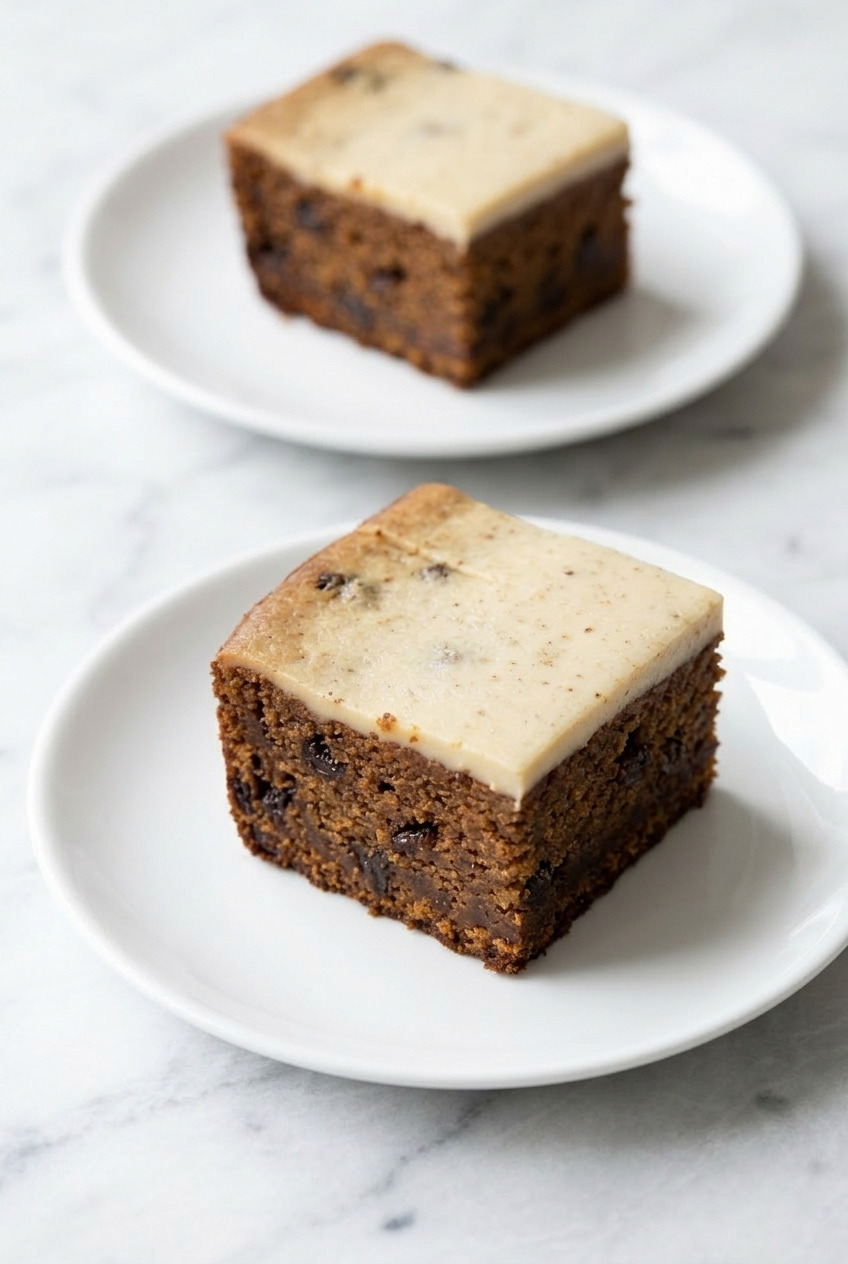
Warm pudding will not slice, it will slump. This is the step people skip and regret.
Sound too fussy? It is one afternoon and it is the difference between squares and spoonfuls.
The Custard Top
The top layer is the signature of this dessert and it is also the easiest part to get wrong. Timing is everything.
- Pour it too early. It sinks straight into the loose batter and you get one uniform pudding with no top at all.
- Pour it too late. It sits on a fully baked surface and never bonds, then peels away in a sheet when you cut it.
- Pour it right. At around the 50 minute mark, when the surface is set but still soft, so the two layers fuse at the seam.
- Look for. A pale ivory skin, matte rather than glossy, with a slight jiggle at the center when you nudge the pan.
Common Mistakes
- Boiling and mashing the potato. The most common error by far. Boiled potato makes a soft, cakey, fundamentally different dessert. Grate it raw.
- Cutting it warm. It needs a full cool to firm up. Three hours minimum, overnight is better.
- Using light coconut milk. The result is gummy and thin. Full fat, always.
- Skipping the cornmeal. There is nothing else holding this together.
- Underbaking the middle. A wet center means it needed more time, not more flour. Tent it with foil and give it another 15 minutes.
- Too much browning. More than a tablespoon turns it bitter. It is for color, not flavor.
What About the Grace Boxed Mix?
Grace sells a boxed sweet potato pudding mix, and people ask about it constantly. It is worth being straight about what it is.
The box contains the dry side of this recipe: cornmeal, flour, sugar, spices, and coloring, already blended.
You still supply the sweet potato, the coconut milk, and the fat, which is to say you still do all the actual work.
It saves you measuring and it flattens the nutmeg, because the spice in the box has been sitting there a while.
If you have grated two pounds of sweet potato, you are ten minutes from doing it properly. I would do it properly.
Storage and Make Ahead
- Room temperature. Covered, up to 2 days, and honestly better on day two once the spice settles.
- Refrigerated. Up to 5 days in an airtight container. Let squares come back to room temperature before serving, cold mutes the coconut.
- Frozen. Wrap individual squares and freeze 3 months. Thaw overnight in the fridge.
- Reheating. A few seconds in the microwave is fine. The custard top does not love a hot oven the second time around.
More Caribbean Desserts to Look For
If this one lands for you, the Caribbean has a whole family of baked puddings worth knowing. None of them are hard, all of them are patient.
Cornmeal pudding is the closest sibling, same method, cornmeal in the lead instead of sweet potato.
Trinidadian pone is the drier cousin, classically made with cassava rather than sweet potato.
Jamaican bread pudding turns up at the same Sunday tables and uses the same nutmeg and coconut milk.
Start here though. This is the one that gets the saying.
Recipe
Jamaican Sweet Potato Pudding
Ingredients
For the Pudding
- 2 lb sweet potatoes Jamaican white sweet potato if available, peeled and finely grated
- ½ lb yellow yam finely grated, optional but traditional
- ½ cup fine cornmeal
- ½ cup all purpose flour
- 1 cup dark brown sugar packed
- 1 teaspoon freshly grated nutmeg
- 1 teaspoon ground cinnamon
- ½ teaspoon fine salt
- 14 oz full fat coconut milk one can
- 4 tablespoon unsalted butter melted
- 1 teaspoon vanilla extract
- 1 tablespoon browning sauce
- ½ cup raisins optional, soaked in warm water 10 minutes
For the Custard Top
- ½ cup full fat coconut milk
- 2 tablespoon brown sugar
- ⅛ teaspoon ground cinnamon
Instructions
Make the Batter
- Heat the oven to 350F and butter a deep 9 inch square baking dish.
- Peel the sweet potatoes and grate them on the fine holes of a box grater into a large bowl. Grate the yellow yam the same way if you are using it. Do not boil or mash the potato, the raw grated texture is what makes this pudding.
- Stir the cornmeal, flour, brown sugar, nutmeg, cinnamon and salt through the grated potato.
- Add the coconut milk, melted butter, vanilla and browning sauce. Stir until uniform and slack, between a thick batter and a wet mash. Fold in the drained raisins if using.
Bake
- Pour the batter into the prepared dish, smooth the top, and bake 50 minutes, until the surface is set enough that liquid will sit on it rather than sink in.
- Whisk the coconut milk, brown sugar and cinnamon for the top. Pour it gently and evenly over the pudding, then return it to the oven for 25 to 30 minutes, until the top sets into a pale skin with a slight jiggle at the center.
Cool and Serve
- Cool completely in the dish, at least 3 hours and preferably overnight. Warm pudding will not slice cleanly.
- Cut into squares and serve at room temperature.
Notes
- Sweet potato: the Jamaican white sweet potato (boniato) is drier and starchier and gives the firmest set. With orange American sweet potatoes, reduce the sugar to ¾ cup, add 2 extra tablespoons of cornmeal, and bake 10 to 15 minutes longer.
- Grate, do not boil: boiled and mashed potato makes a soft cakey dessert, not this one.
- Full fat coconut milk only: light coconut milk turns the pudding gummy.
- The custard top: pour it at the 50 minute mark, when the surface is set but still soft, so the layers fuse.
- Browning sauce: one tablespoon is for color. More than that turns it bitter.
- Better on day two: the spice settles and the texture tightens overnight.