Marshmallows lost me somewhere around my twelfth Thanksgiving.
The sweet potato casserole at our table always came out of the oven under a blanket of them, browned on top and molten underneath.
Everyone loved it. I ate around the edges.
It was sweet on top of sweet, and by the second forkful I was done with it.
Then a few years back I had a version at a small restaurant in Asheville that changed my mind completely.
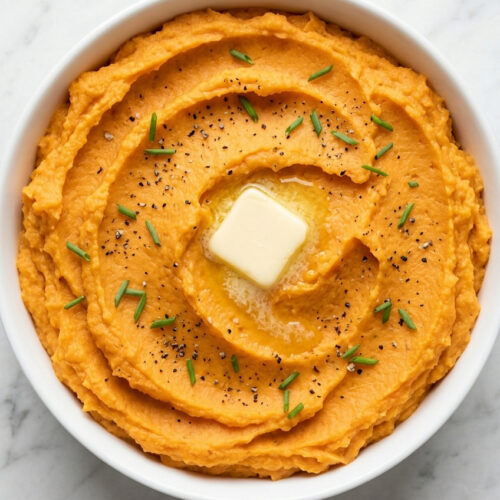
It came out as a smooth swoop on the plate next to the pork, no topping at all, and it tasted like sweet potato instead of candy.
I asked what was in it and the server said butter, cream, and a little maple.
That's it.
I went home and worked backward from that plate, and this is where I landed.
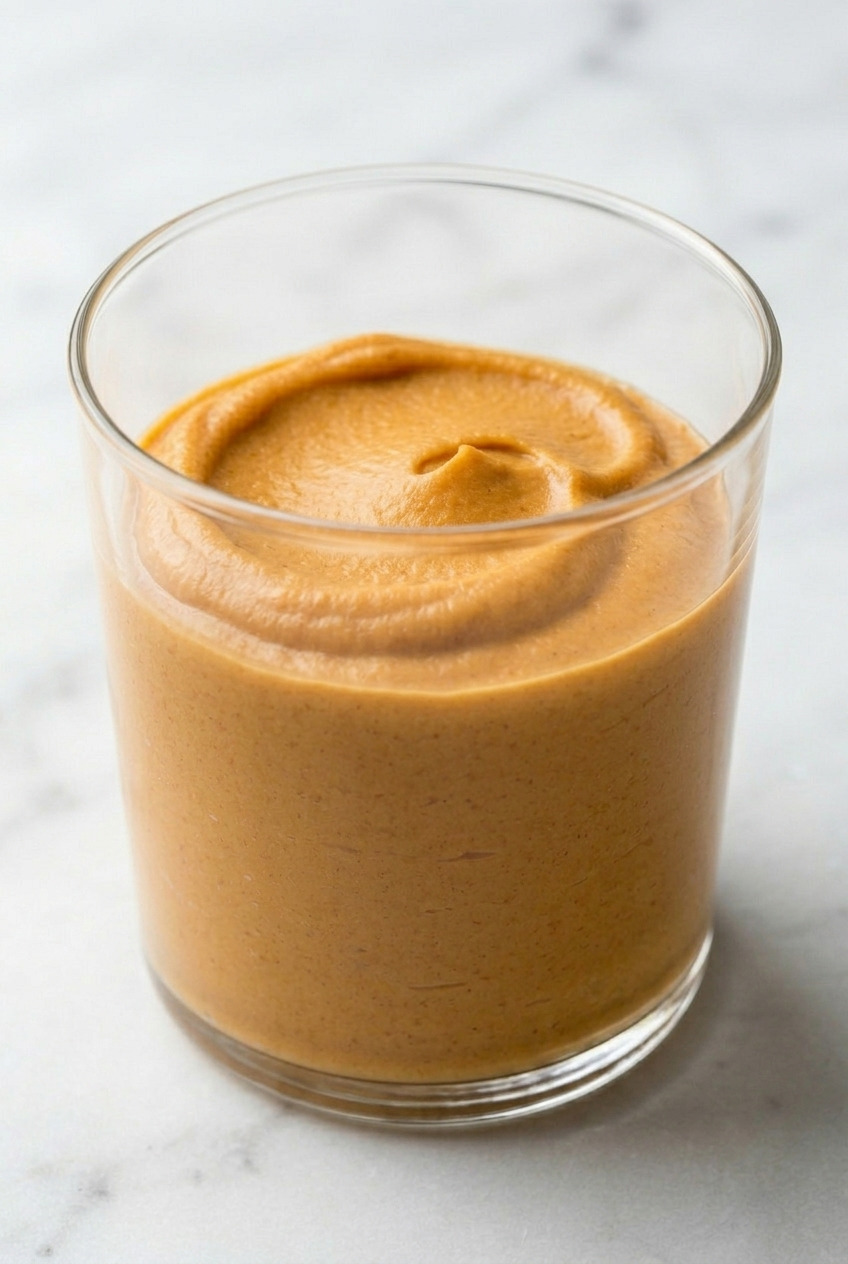
Roasted sweet potatoes whipped with softened butter, heavy cream, and real maple syrup until the whole thing turns light and pipeable.
It's a side dish, not a dessert, though a few people at my table have treated it as both.
Worth saying up front: this is the maple version, not the chocolate one. Search for sweet potato mousse and half the results are a cocoa dessert, which is a different dish entirely.
This one belongs next to the turkey.
I make it the day before every holiday now, and it has quietly replaced the casserole.
Nobody has asked for the marshmallows back.
What Makes This Mousse Different
Two very different dishes share this name, and it's worth clearing that up. One is a cocoa-based dessert mousse. This is the other one.
This version is maple-forward and savory-leaning, built to sit on a dinner plate.
The maple syrup is there for depth, not sweetness, and there's ¼ cup of it in the whole batch rather than the cup of brown sugar a classic casserole carries.
What separates it from plain mashed sweet potatoes is texture.
Mashed is dense and a little rustic, with lumps you can see.
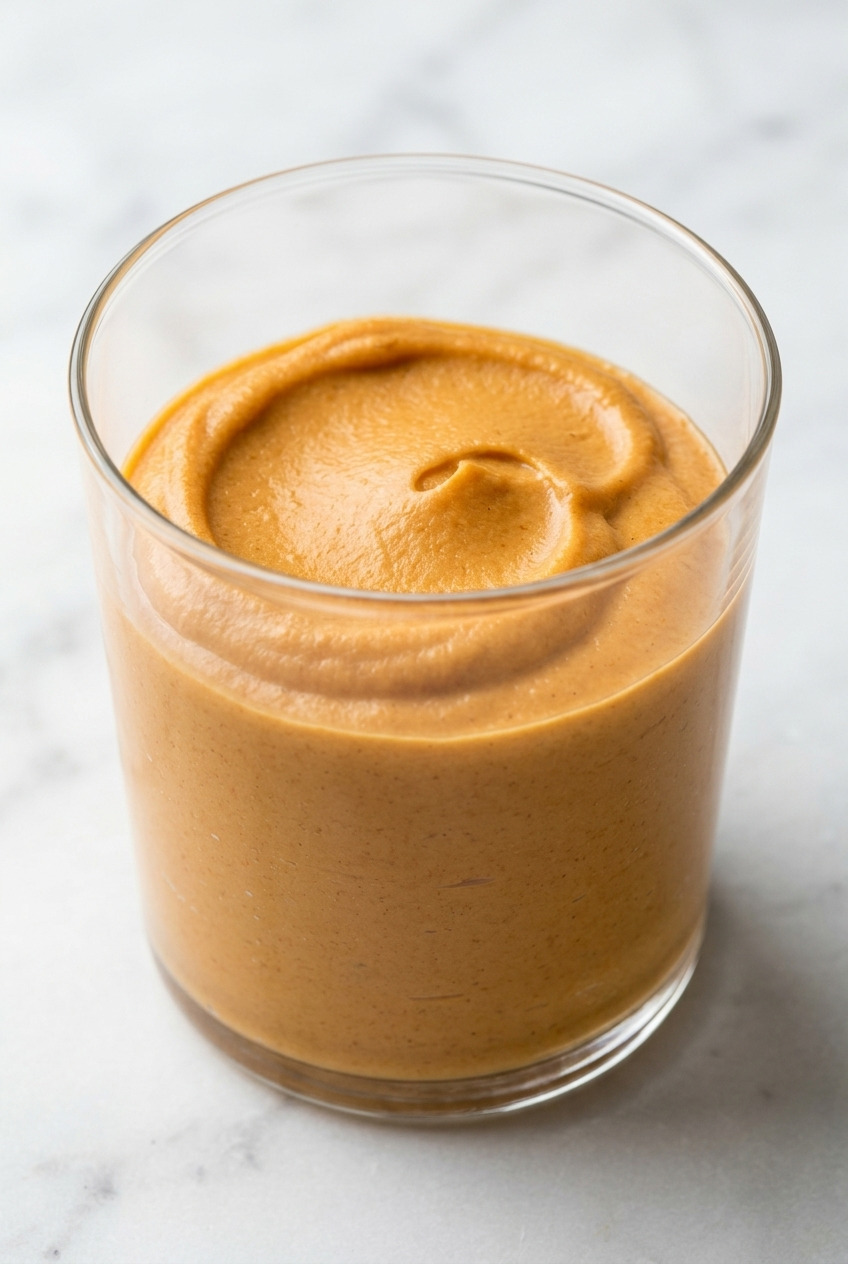
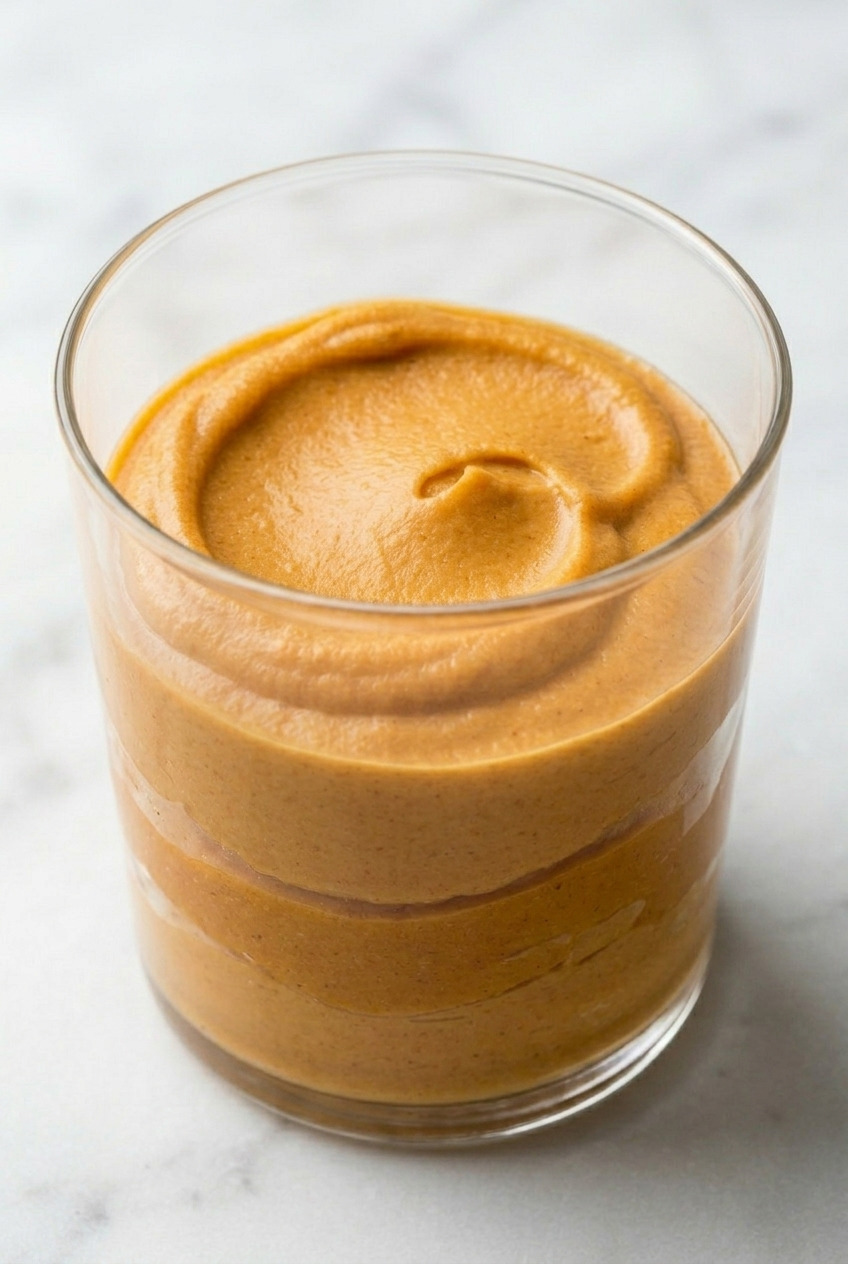
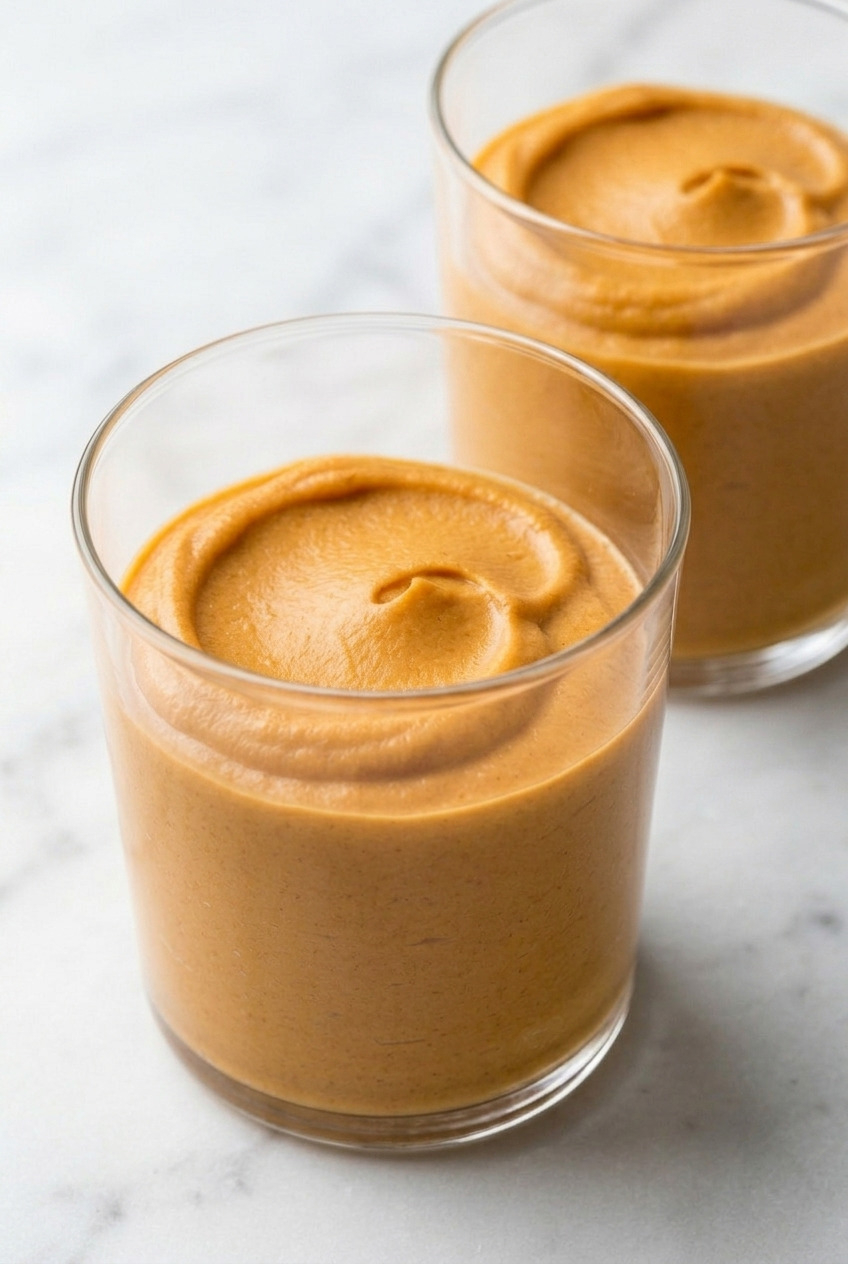
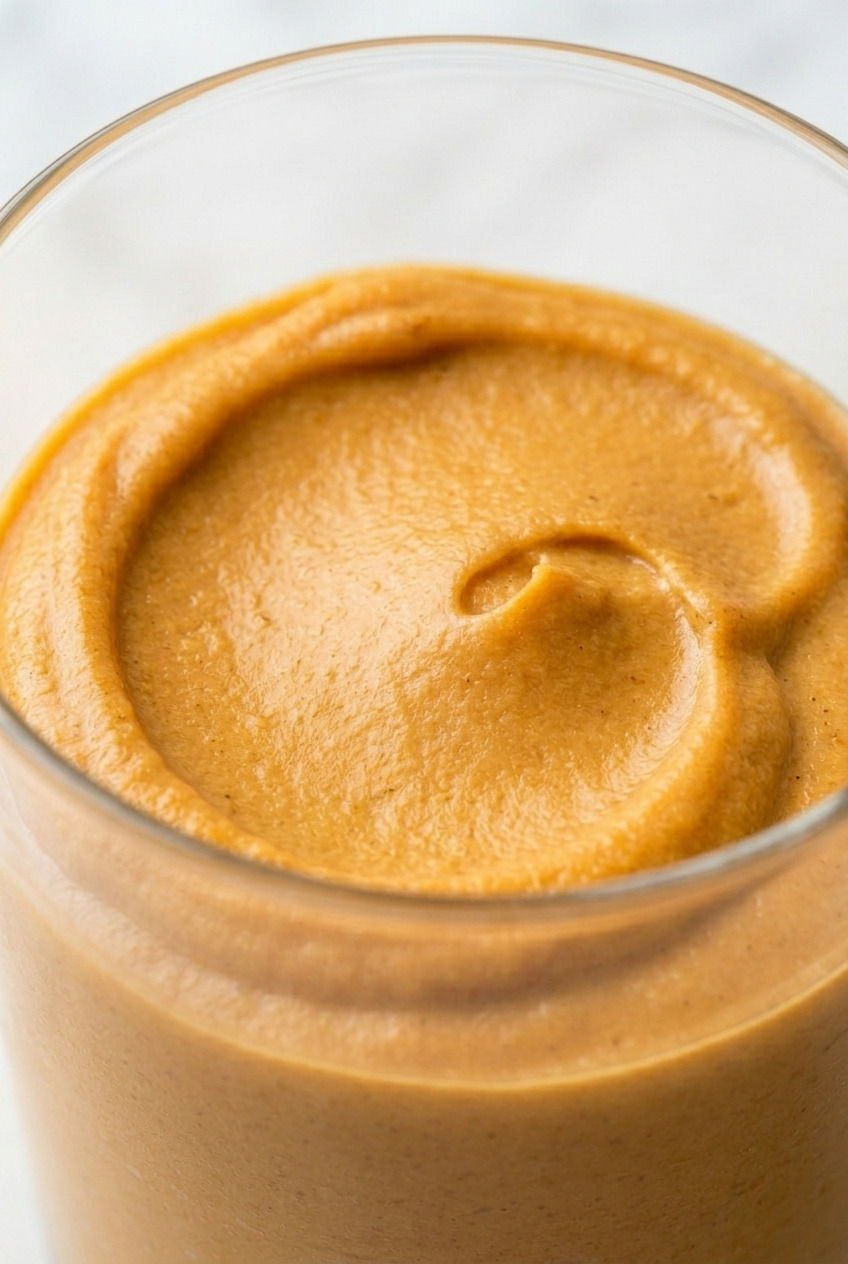
Mousse is whipped past that point, aerated with butter and cream until it holds a soft peak and lightens a full shade in color.
A pinch of black pepper at the end is the detail I'd argue hardest for. You won't taste heat, just a faint savory edge that keeps the whole bowl from reading as dessert.
Ingredients You'll Need
Short list, and the quality of each one shows. There's nowhere to hide in a six-ingredient dish.
- Sweet potatoes (2 lbs). Roast them whole, skin on. Garnet or Jewel varieties give you that deep orange color and the moist flesh this needs.
- Butter (¼ cup, room temperature). Softened, not melted. Room-temperature butter whips air into the puree. Melted butter just makes it greasy.
- Heavy cream (½ cup). Warmed slightly so it blends in without cooling the mixture down.
- Pure maple syrup (¼ cup). Grade A dark or amber, which has more of that woody maple character than the pale stuff. Skip pancake syrup entirely.
- Vanilla extract (1 teaspoon). Bridges the maple and the butter.
- Salt (½ teaspoon). Add half, taste, then add the rest. Salt is what makes this taste like a side dish.
- Black pepper (a pinch). Optional, and I include it every time.
Substitutions: canned sweet potato puree works if you drain it well, though you lose the roasted flavor. Half and half can stand in for the heavy cream with a slightly looser result.
How to Make Maple Sweet Potato Mousse
Roast, peel, whip. The only real technique here is getting the sweet potatoes cooked all the way through.
Step 1: Roast the Sweet Potatoes Whole
Heat the oven to 400°F.
Pierce the sweet potatoes a few times, set them right on a foil-lined sheet pan, and roast for 50 to 70 minutes depending on thickness.
You want them collapsing, with sugar bubbling out onto the foil.
Roasting whole and skin-on matters. Cubing and boiling them waterlogs the flesh, and that water is why boiled versions taste thin.
Step 2: Peel and Warm Everything
Let them cool for 10 minutes, then slip the skins off. They should come away in sheets.
Warm the cream gently while you work. Cold cream hitting warm puree tightens the butter into little specks.
Step 3: Whip It
Put the flesh in a food processor with the softened butter and run it until it's completely smooth, about 45 seconds.
With the machine going, pour in the warm cream, then the maple syrup and vanilla.
Add the salt and pepper, then process another 30 seconds until the color lightens and the texture goes glossy.
Taste it now. This is the moment to adjust the salt and maple.
Step 4: Serve or Hold
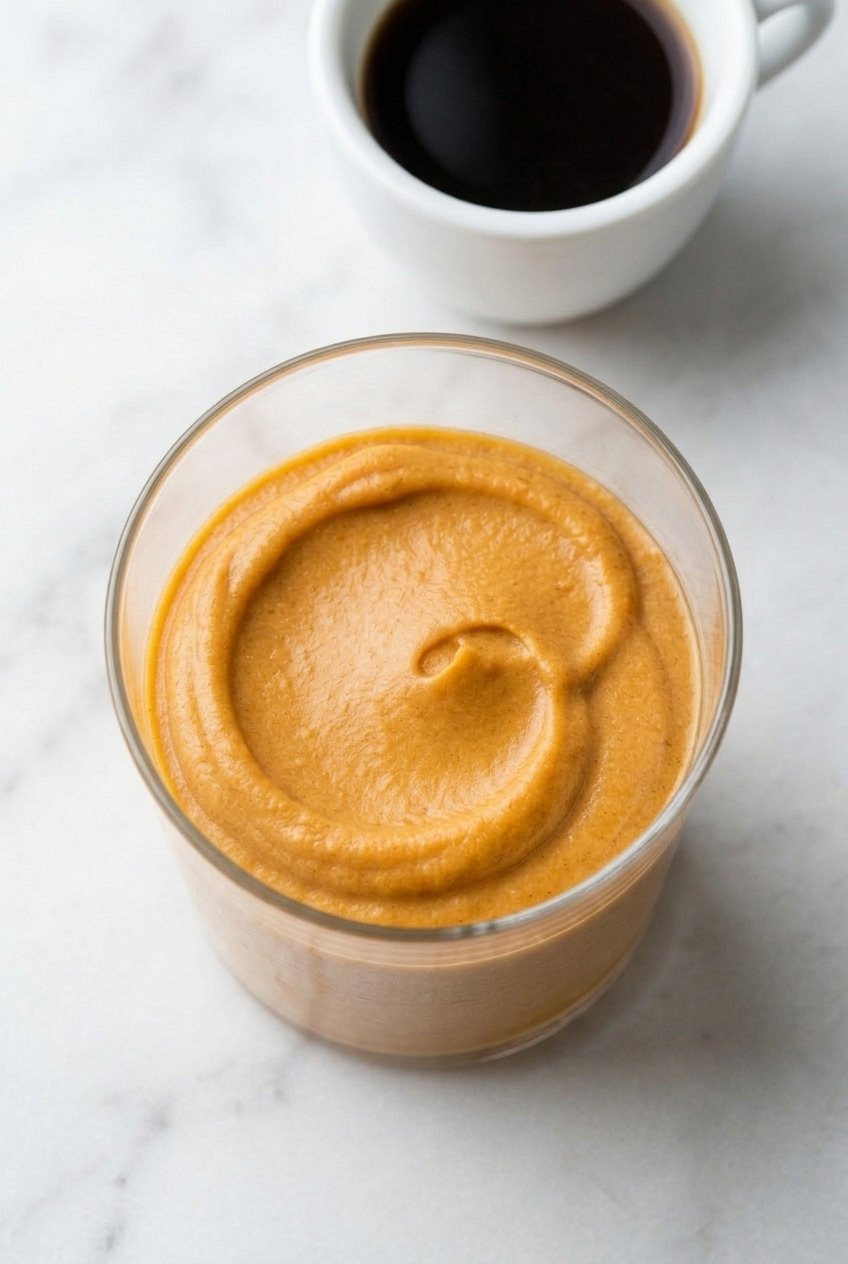
Spoon it into a serving bowl and smooth the top with the back of a spoon into soft swoops.
Serve warm for a holiday table, or chill it and let it come up to cool room temperature.
Tips for a Smooth, Holiday-Ready Mousse
Every lump in this dish traces back to one of four things. Here's how to avoid all of them.
- Cook them all the way through. Undercooked sweet potato will not break down, no matter how long you run the processor. A knife should meet zero resistance.
- Food processor over stand mixer. A mixer leaves fibers behind. The processor blade cuts through them.
- Room-temperature butter, warm cream. Temperature is the difference between glossy and grainy.
- Don't overprocess after the cream goes in. Sweet potato starch turns gluey if you beat it too long, the same way overworked mashed potatoes do. Ninety seconds total is plenty.
- Sieve it if you're serving guests. One pass through a fine-mesh sieve takes two minutes and gives you a restaurant texture.
- Season at the end, warm. Salt reads differently at different temperatures. Taste it at serving temperature, not straight out of the processor.
Want a browned top? Spread it in a shallow dish and run it under the broiler for 2 to 3 minutes until the peaks catch color.
Storage and Make-Ahead
This is the reason it beat out the casserole in my house. It holds beautifully, which matters when the oven is booked all afternoon.
- Make it a day ahead. Blend it completely, cool, and refrigerate in a covered container for up to 3 days.
- Reheating. Warm it gently in a covered dish at 325°F for 20 to 25 minutes, stirring once. Low and slow keeps it from splitting.
- Stovetop reheat. A saucepan over low heat works too. Add a splash of cream to loosen it back up.
- Freezer. Freezes for 2 months in an airtight container. Thaw overnight in the fridge, then rewhip briefly to bring the texture back.
- Roast ahead. Short on time? Roast the sweet potatoes up to 2 days early and keep them whole and wrapped in the fridge.
It reheats better than almost any other side on my holiday table.
Make it once and see if the marshmallows get missed.
Recipe Card
Recipe
Maple Sweet Potato Mousse
Ingredients
For the Mousse
- 2 lbs sweet potatoes roasted whole, skin on
- ¼ cup unsalted butter room temperature
- ½ cup heavy cream warmed
- ¼ cup pure maple syrup Grade A dark
- 1 teaspoon vanilla extract
- ½ teaspoon salt or to taste
- 1 pinch black pepper optional
Instructions
Roast the Sweet Potatoes
- Heat the oven to 400°F. Pierce the whole sweet potatoes a few times and roast them skin-on on a foil-lined sheet pan for 50 to 70 minutes, until completely collapsing and a knife meets no resistance.
- Cool for 10 minutes, then slip off and discard the skins.
Whip the Mousse
- Add the sweet potato flesh and the softened butter to a food processor. Process for about 45 seconds, until completely smooth.
- With the machine running, pour in the warmed cream, then the maple syrup and vanilla. Add the salt and pepper.
- Process another 30 seconds, until the color lightens and the texture turns glossy. Do not overprocess or the starch will turn gluey. Taste and adjust the salt and maple syrup.
- For a restaurant-smooth finish, push the mousse through a fine-mesh sieve. Spoon into a serving bowl and smooth the top into soft swoops.
Notes
- Roast whole: Boiling cubed sweet potatoes waterlogs them and thins the flavor.
- Temperature matters: Room-temperature butter and warmed cream keep the mousse glossy instead of grainy.
- Don't overprocess: Sweet potato starch turns gluey the same way overworked mashed potatoes do.
- Make-ahead: Keeps 3 days in the fridge. Reheat covered at 325°F for 20 to 25 minutes, stirring once.