I was the guy who took the smallest slice of sweet potato pie at every holiday table and hoped nobody noticed.
The versions I grew up around were dense and heavy on cinnamon, closer to a spiced casserole with a crust than to dessert.
One slice was plenty. Two was a chore.
Then a few Novembers back I stopped trying to fix it as a sweet potato pie and started treating it as a chess pie problem instead.
That changed everything.
Out went the wall of warm spice.
In went buttermilk, the zest and juice of a lemon, and two tablespoons of fine cornmeal.
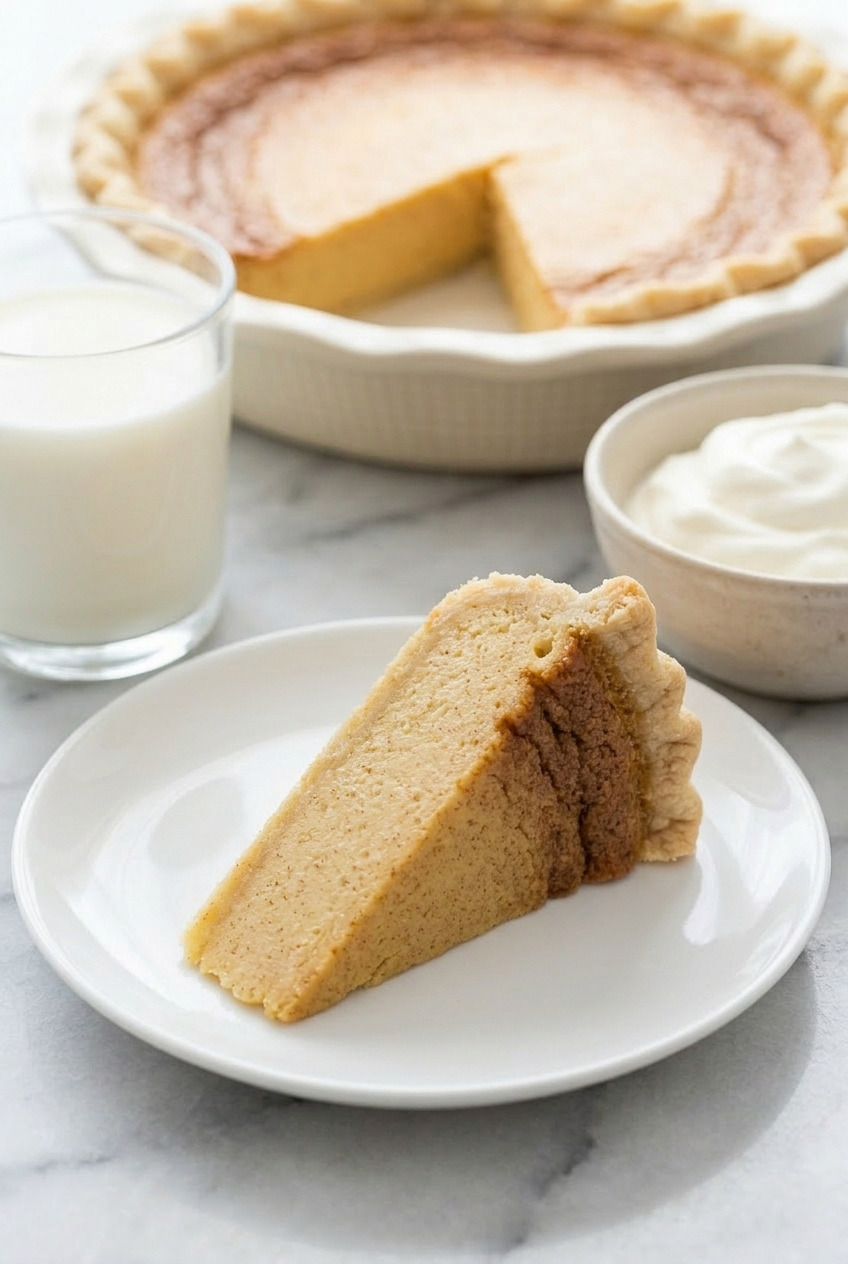
The cornmeal is the whole reason chess pie has that fine, faintly grainy set that holds a clean edge.
The buttermilk and lemon bring a tang that keeps the sugar from flattening out on your tongue.
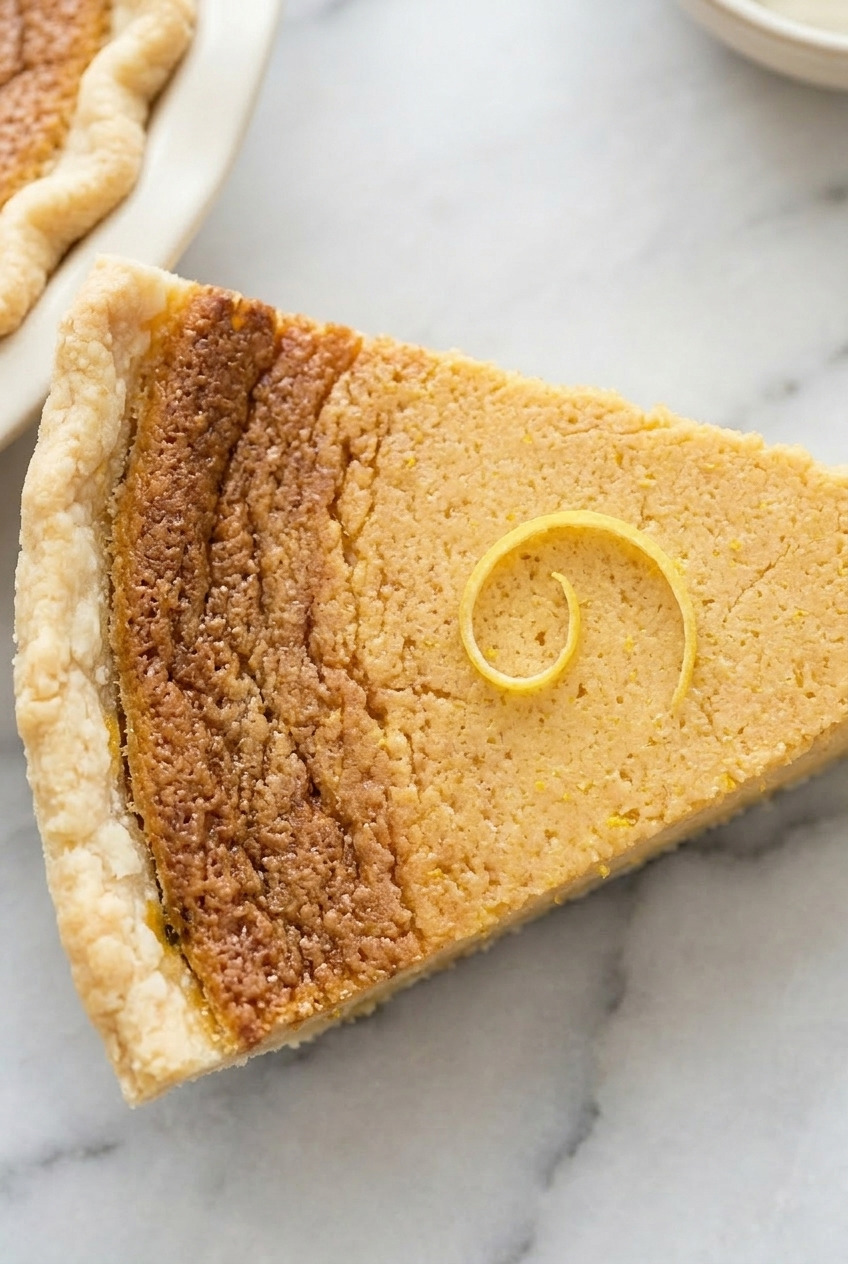
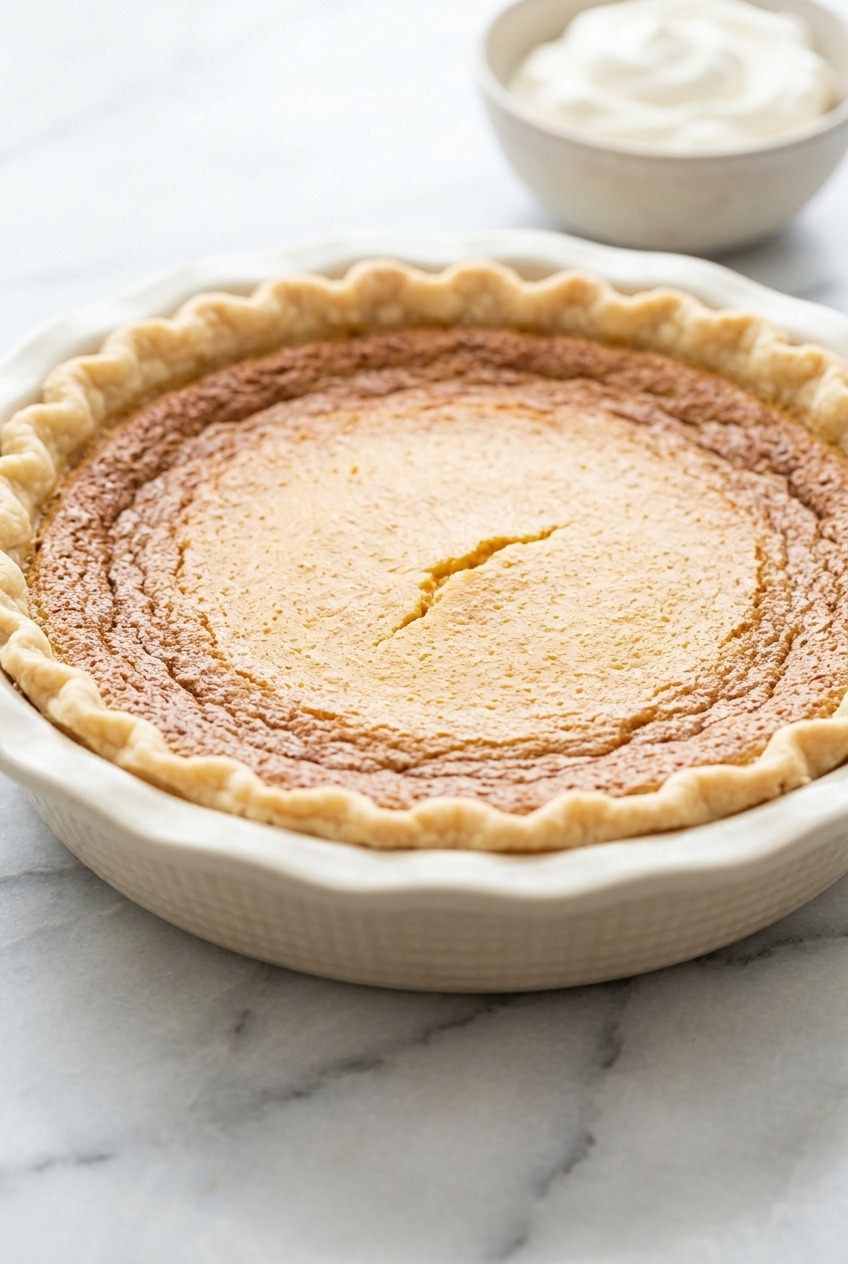
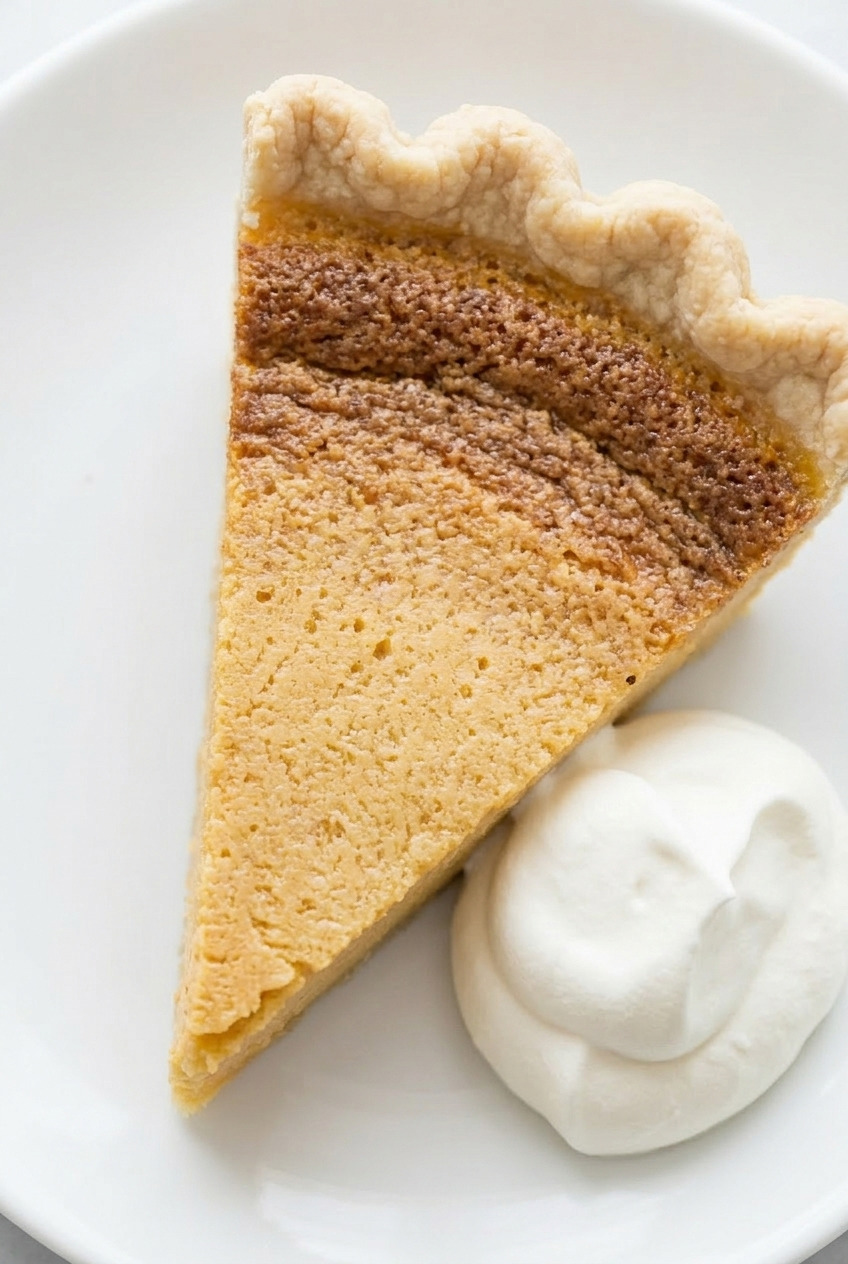
What comes out is still unmistakably sweet potato, just brighter and lighter, with a thin glassy top.
This is the one I go back for a second slice of.
Below I'll show you exactly how to tell when the custard is set and how to keep the top from cracking, which is the part nobody seems to explain.
Why This Sweet Potato Chess Pie Works
This is a chess pie that happens to contain sweet potato, not a sweet potato pie with cornmeal stirred in. That distinction is the whole recipe.
A classic sweet potato pie is a spiced custard, built on evaporated or condensed milk and a long list of warm spices.
A chess pie is a Southern sugar-and-egg custard thickened with a spoonful of cornmeal, usually sharpened with buttermilk or vinegar, and it sets with a fine texture and a thin crackly top.
Put roasted sweet potato into that base and it does something a plain chess pie can't. Here's what each piece contributes.
- Cornmeal gives the set. Two tablespoons of fine yellow cornmeal thickens the custard and leaves that signature slightly sandy texture. Flour instead of cornmeal makes a fine pie, but it isn't a chess pie anymore.
- Buttermilk brings the tang. It's the ingredient the top-ranked versions of this pie share, and it's what stops a very sweet filling from tasting cloying.
- Roasting beats boiling. Roasted sweet potato has concentrated sugar and far less water, and water is what leaves a custard pie loose in the middle.
- Restraint on the spice. A quarter teaspoon of fresh nutmeg and nothing else. The lemon does the work that cinnamon usually gets asked to do.
Ingredients
Short list, and the buttermilk shows up twice. That's on purpose, since it ties the crust to the filling.
For the Buttermilk Crust
- All-purpose flour (1 ¼ cups). Plus a little for dusting the counter.
- Granulated sugar (1 tablespoon) and fine salt (½ teaspoon). Enough sugar to help the edge brown, enough salt to make the crust taste like something.
- COLD unsalted butter (½ cup, one stick), cut small. All butter here. The flavor matters more than usual because this crust is a thin layer against a very sweet filling.
- Cold buttermilk (¼ to ½ cup). It stands in for ice water and gives the crust a faint tang and a tender crumb. Add it slowly, since flours drink different amounts.
- Or a store-bought 9-inch crust. No shame in it. You lose the tang and a little tenderness, and the pie still works.
For the Sweet Potato Chess Filling
- Sweet potatoes (1 pound, about 2 medium), roasted and mashed to 1 ½ cups. Measure after mashing, not before.
- Granulated sugar (1 ¼ cups) and light brown sugar (¼ cup, packed). Chess pies run sweet, and this is the level the best versions land on. The brown sugar adds a molasses note that meets the sweet potato.
- Fine yellow cornmeal (2 tablespoons). Non-negotiable. This is the ingredient that earns the words "chess pie."
- Eggs (4 large). Four is the number every good version of this pie uses. They set the custard without any starch.
- Unsalted butter (6 tablespoons), melted and cooled. Melted, never creamed, and I'll explain why in the method.
- Buttermilk (½ cup). The tang, and enough dairy to keep the filling silky.
- Zest and juice of 1 lemon. The acid that keeps the pie from tasting flat. A Meyer lemon is lovely if you can find one.
- Freshly grated nutmeg (¼ teaspoon), vanilla (1 teaspoon), fine salt (½ teaspoon). A whisper of nutmeg, not a spice blend.
- Lightly sweetened whipped cream, to serve. Optional, but it's the right partner.
Equipment You'll Need
- A 9-inch pie dish. I use a cream stoneware dish. Stoneware holds heat evenly, which helps a custard set from the edge inward instead of all at once.
- A rimmed baking sheet. For roasting the sweet potatoes, and useful under the pie to catch any drips.
- A large bowl and a whisk. No mixer. That's the point.
- A fine sieve or a ricer. For pushing the filling through so the set is perfectly smooth.
- Foil or a pie shield. The crust edge gets there before the filling does on a bake this long.
How to Make Sweet Potato Chess Pie
Six steps, and only two of them need any attention. Work in this order and the timing lines up.
1. Roast and mash the sweet potatoes. Prick 1 pound of sweet potatoes and roast at 400°F for 45 to 55 minutes, until the skins collapse and the flesh gives with no resistance. Cool, peel, mash smooth, and let the mash sit in a sieve for 10 minutes to drop any excess moisture. You want 1 ½ cups.
2. Mix and chill the crust. Cut the cold butter into the flour, sugar, and salt until it's pebbly. Add cold buttermilk a little at a time until the dough just comes together. Flatten, wrap, and chill 30 minutes, then roll it out and fit it into the pie dish. Crimp the edge and chill it again while you mix the filling.
3. Whisk the filling in one bowl. Sweet potato mash first, then both sugars, cornmeal, and salt. Then the eggs, one at a time. Then the melted butter, buttermilk, lemon zest and juice, nutmeg, and vanilla.
Whisk, do not cream. Beating room-temperature butter with sugar whips air into a custard, and that air is what makes a chess pie balloon in the oven and then crack as it falls. Melted butter, gentle whisking, and the top stays glassy.
4. Pass it through a sieve. Push the filling through a fine sieve into the crust with a rubber spatula. It takes two minutes and it catches every fiber and stray bit of cooked egg white. This is the difference between a good set and a flawless one.
5. Bake at 350°F for 50 to 60 minutes. Put the dish on a rimmed sheet. Check the crust edge at 30 minutes and shield it with foil the moment it takes on real color.
6. Cool completely, at least 3 hours. Room temperature, on a rack, uncovered. No shortcuts here.
How to Tell When It's Set
This is where most chess pies go wrong, and it's a two-second check. Nudge the side of the dish and watch the middle.
A circle at the center about 2 inches across should wobble as one soft piece, like gelatin. Everything outside that ring should be still.
If waves ripple out across the surface, it needs 5 to 8 more minutes.
If nothing moves at all, you've gone slightly past, and the texture will be a little firmer than ideal.
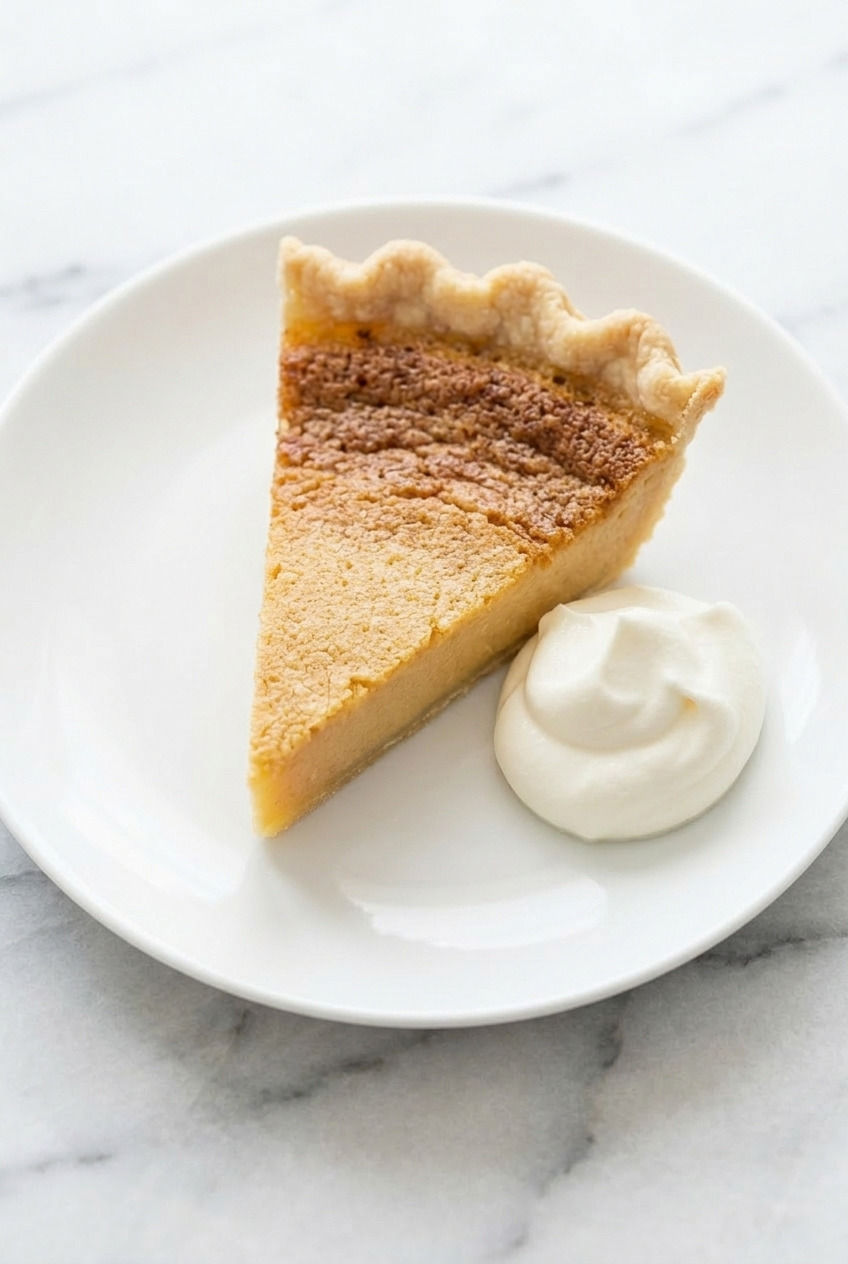
Watch the surface, too. An underbaked chess pie looks wet and shiny. A finished one goes matte across the outer ring with a thin, delicate crust on top that dulls the shine.
The center keeps cooking after it leaves the oven. That carryover is why you pull it while it still jiggles.
Want a number? The center reads 175 to 180°F on an instant-read thermometer.
Why did mine crack? Almost always one of two things: air whipped into the filling, or an oven that ran hot and set the edges long before the middle. Melted butter and a gentle whisk fix the first, and an oven thermometer fixes the second.
Tips for the Best Chess Pie
- Never boil the sweet potatoes. Boiled flesh is waterlogged, and that water thins your custard and leaves the center loose no matter how long you bake it.
- Weigh the sugar if you can. 1 ¼ cups is about 250 grams. Scooped cups vary enough to change the set on a pie this sugar-heavy.
- Keep the spices quiet. Every instinct will tell you to add cinnamon. Don't, at least not the first time. The lemon and buttermilk are doing that job.
- Rest it fully. Three hours minimum. Overnight in the fridge is even better and the flavor sharpens.
- Cut with a warm, dry knife. Hot water, wipe it dry, one clean cut, wipe again. A chess pie shows every smear.
- Should you blind bake? None of the classic versions do, and it isn't required. If you like a very crisp bottom, blind bake at 375°F for 15 minutes with weights, then fill and continue.
Variations
- Orange instead of lemon. Swap the zest and juice of one small orange for the lemon. Softer, rounder, and a little more festive.
- The warm-spiced version. If your table expects classic sweet potato pie flavor, add 1 teaspoon cinnamon and ¼ teaspoon ground ginger and cut the lemon juice in half. You're moving toward traditional and away from chess, which is a fair trade if that's what people want.
- Toasted marshmallow top. Spread marshmallow creme over the fully cooled pie and brown it under the broiler for 30 to 60 seconds. Holiday-table theater, and it works.
- No buttermilk in the house. Stir 1 ½ teaspoons of lemon juice or white vinegar into ½ cup of whole milk and let it sit 10 minutes. Plain whole milk alone loses the tang, which is the point of the pie.
- Canned puree. Use canned sweet potato puree, not the syrup-packed kind, and drain it in a sieve for 15 minutes first.
How to Serve
Room temperature or lightly chilled, and not a degree warmer. A warm slice of chess pie is a soft slice of chess pie.
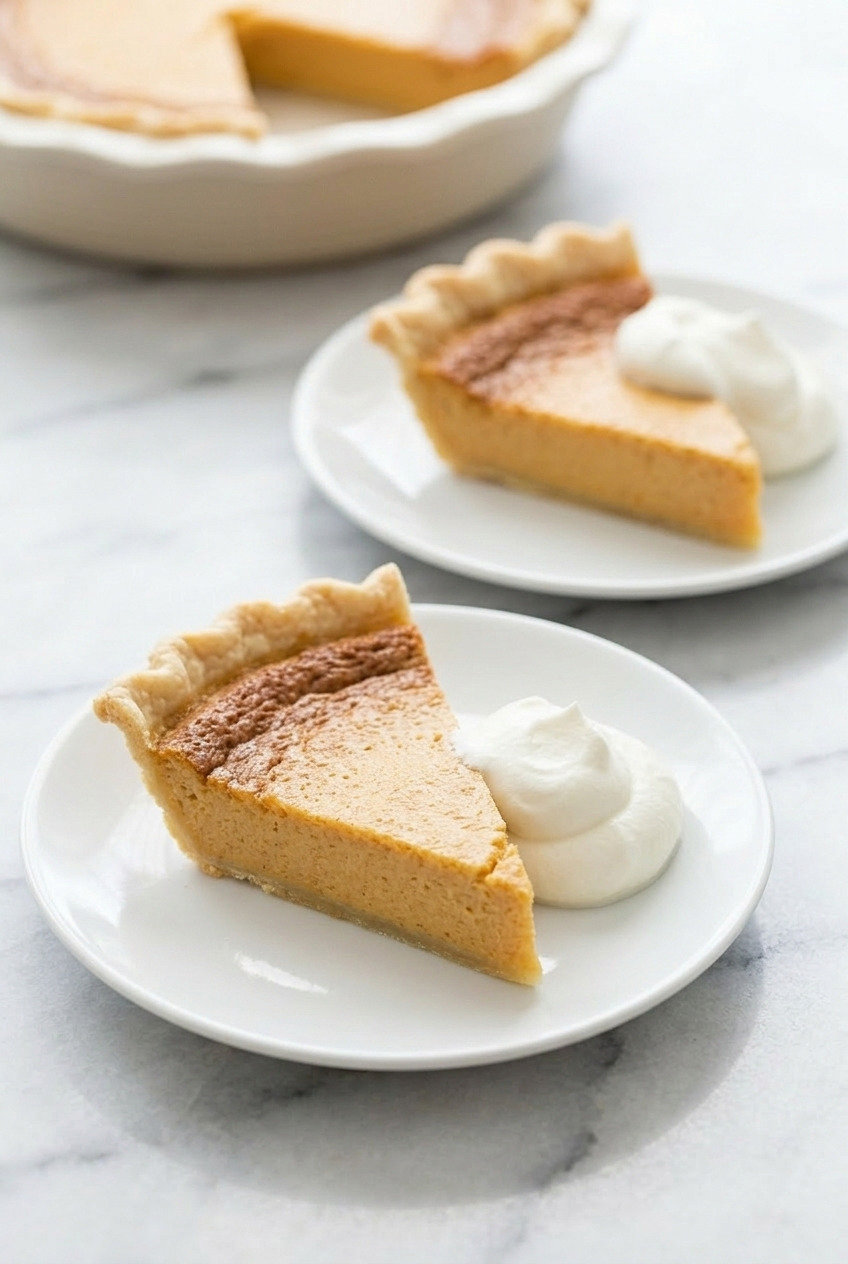
A spoonful of lightly sweetened whipped cream on each plate, and that's it.
I skip ice cream with this one. The custard is already soft and creamy, and a scoop melting into it turns the whole plate loose.
Black coffee alongside is the right call. The tang in the filling and the bitterness in the coffee do good work together.
Make Ahead and Storage
Making It Ahead
This pie is genuinely better on day two. Bake it up to 2 days before you need it, cool completely, then refrigerate loosely covered.
The crust dough on its own freezes for a month, wrapped tight. Thaw it overnight in the fridge before rolling.
Can you make it the day before Thanksgiving? That's exactly when I make it, and it frees the oven for everything else.
Storing Leftovers
Cover loosely and refrigerate for up to 4 days.
Yes, it needs refrigeration. It's an egg and dairy custard, so it does not sit out overnight.
It freezes well too. Wrap the cooled pie in plastic and then foil for up to 2 months, and thaw overnight in the refrigerator.
No reheating needed. Just pull the slices out 20 minutes before you serve them so the flavor opens up.
Recipe
Sweet Potato Chess Pie
Ingredients
For the Buttermilk Crust
- 1 ¼ cups all-purpose flour plus more for dusting
- 1 tablespoon granulated sugar
- ½ teaspoon fine salt
- ½ cup unsalted butter cold, cut into small pieces
- ¼ to ½ cup buttermilk cold
For the Sweet Potato Chess Filling
- 1 lb sweet potatoes about 2 medium, roasted and mashed to 1 ½ cups
- 1 ¼ cups granulated sugar
- ¼ cup light brown sugar packed
- 2 tablespoon fine yellow cornmeal
- ½ teaspoon fine salt
- 4 large eggs
- 6 tablespoon unsalted butter melted and cooled
- ½ cup buttermilk
- 1 lemon zest and juice
- ¼ teaspoon nutmeg freshly grated
- 1 teaspoon vanilla extract
To Serve
- 1 cup heavy cream whipped and lightly sweetened
Instructions
Roast the Sweet Potatoes
- Prick the sweet potatoes and roast at 400°F for 45 to 55 minutes, until the skins collapse and the flesh gives with no resistance. Cool, peel, and mash smooth. Let the mash drain in a sieve for 10 minutes and measure out 1 ½ cups.
Make the Buttermilk Crust
- Cut the cold butter into the flour, sugar, and salt until pebbly. Add cold buttermilk a little at a time until the dough just comes together.
- Flatten into a disc, wrap, and chill 30 minutes. Roll out, fit into a 9-inch pie dish, crimp the edge, and chill again while you mix the filling.
Mix and Bake
- Heat the oven to 350°F. Whisk the sweet potato mash with both sugars, the cornmeal, and the salt.
- Whisk in the eggs one at a time, then the melted butter, buttermilk, lemon zest and juice, nutmeg, and vanilla. Whisk only to combine, never cream the butter, since whipped-in air causes puffing and cracking.
- Push the filling through a fine sieve directly into the chilled crust for a perfectly smooth set.
- Bake on a rimmed baking sheet for 50 to 60 minutes. Shield the crust edge with foil once it colors, around 30 minutes. The pie is done when a 2-inch circle at the center wobbles as one piece and the outer surface has turned matte, about 175 to 180°F.
- Cool completely on a rack, at least 3 hours, before slicing. Serve at room temperature or lightly chilled with whipped cream.
Notes
- Roast, never boil: Boiled sweet potato is waterlogged and leaves the center loose.
- Melted butter, not creamed: Creaming aerates the custard, which puffs and then cracks.
- Sieve the filling: Two minutes of work for a flawless texture.
- Doneness: A 2-inch wobble at the center, matte surface at the edge.
- Store-bought crust works if you are short on time.